
Lip Fillers in Mumbai: Fuller, Balanced Lips Without Surgery

Indian Board Certified Plastic Surgeon
M.CH, MS, ISAPS Mentor
16000+ Cosmetic Surgeries
500+ Lip Filler
Lip filler treatment is a non-surgical procedure that enhances lip volume, shape and contour using injectable hyaluronic acid — a substance found naturally in the body. Results are immediate, settle over 1–2 weeks, last 6–12 months, and — crucially — are reversible with hyaluronidase. It’s the most popular application of dermal fillers, and one that demands real anatomical expertise: the lips are the most vascular filler site on the face, which is why at Allure Medspa they are injected by a plastic surgeon, conservatively, with the dissolving enzyme in the room.
Lip Fillers Before and After Images
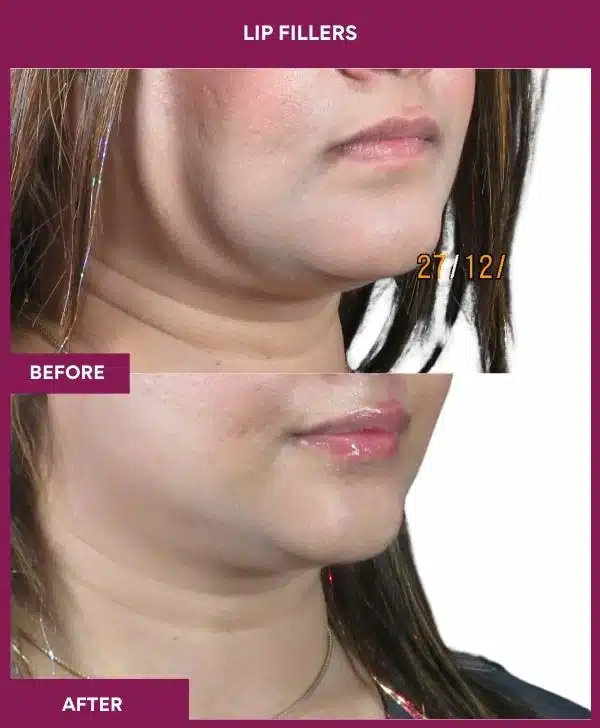
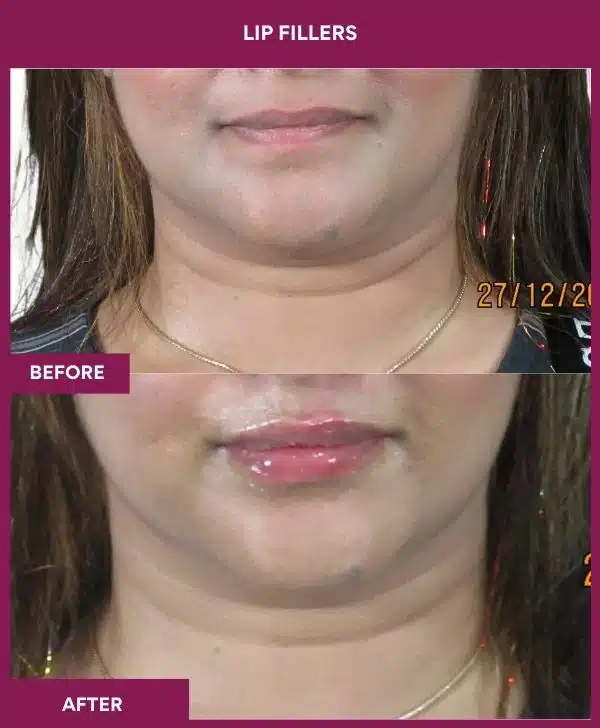
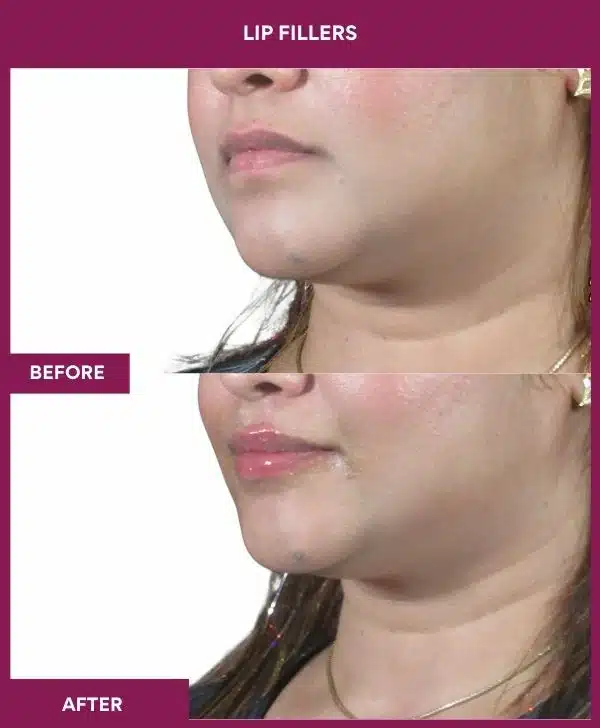
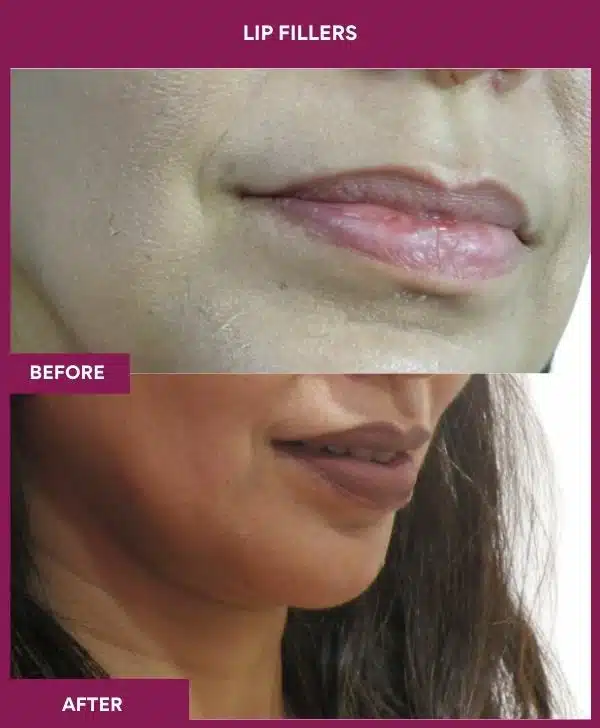
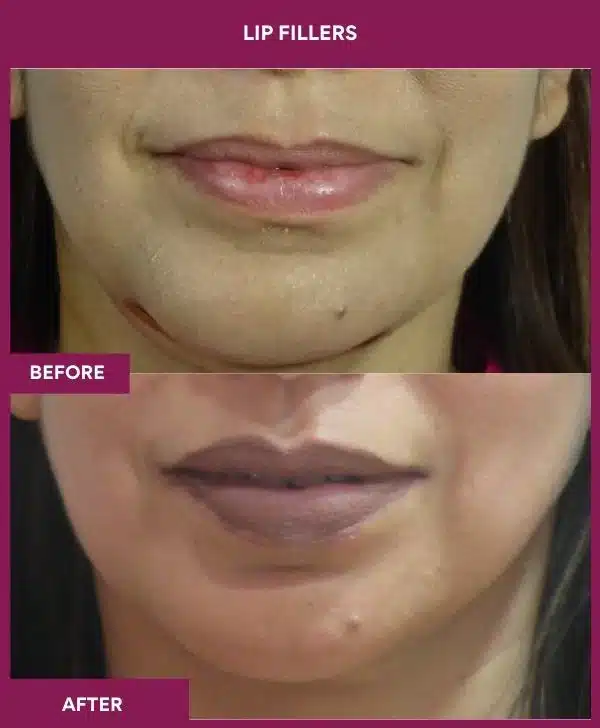
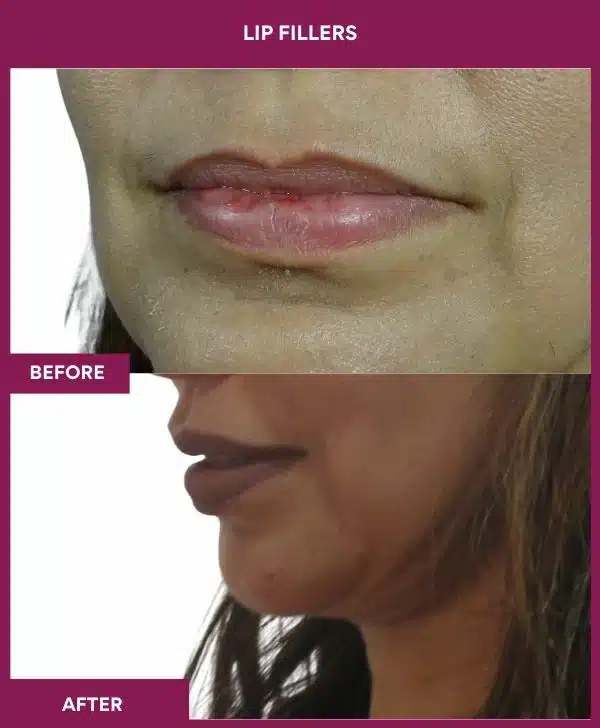
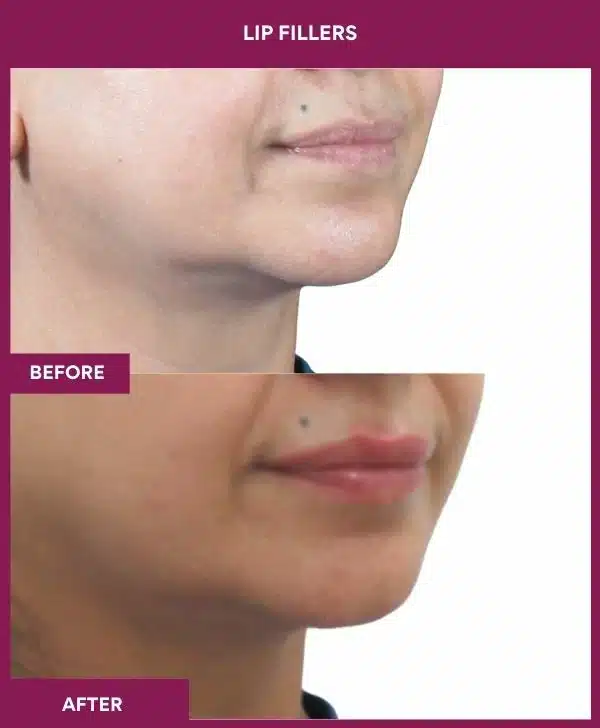
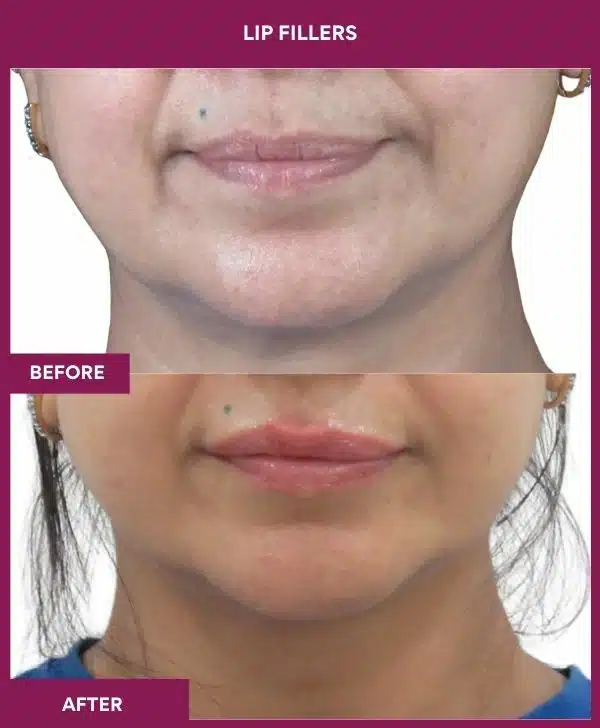
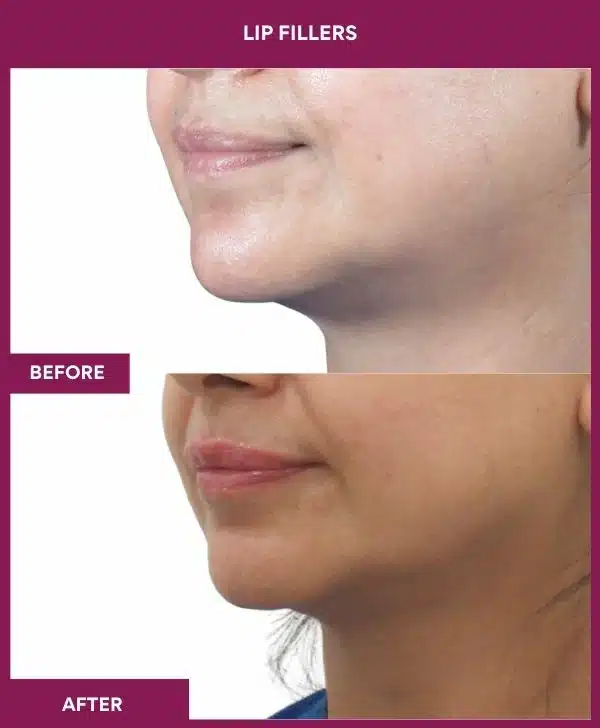
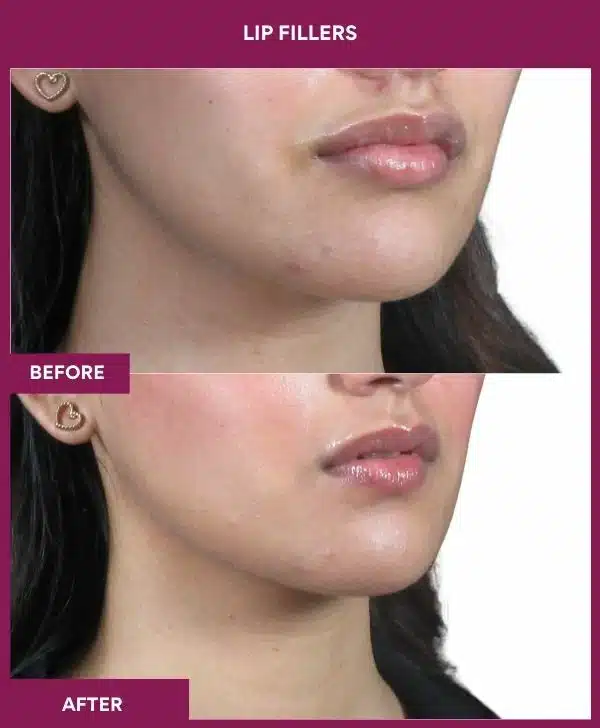
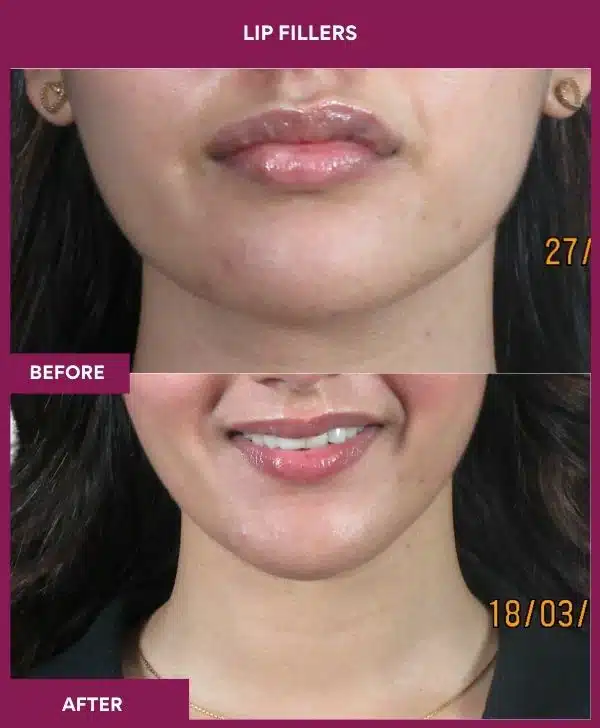
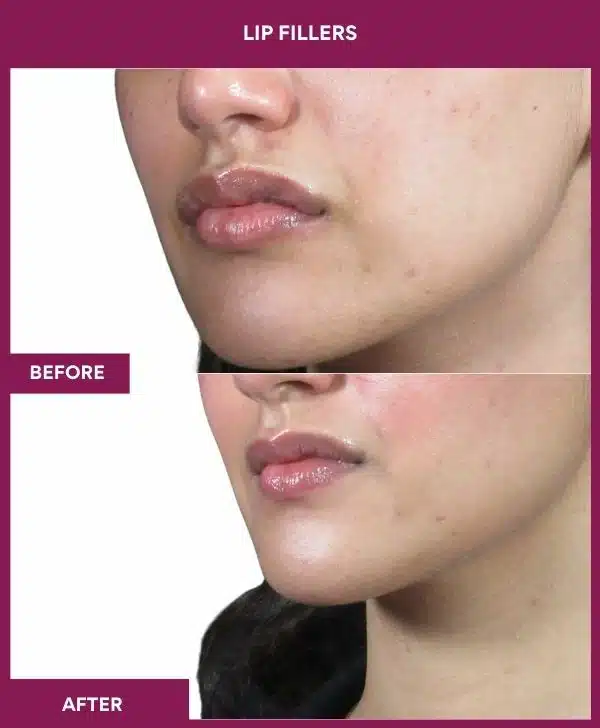
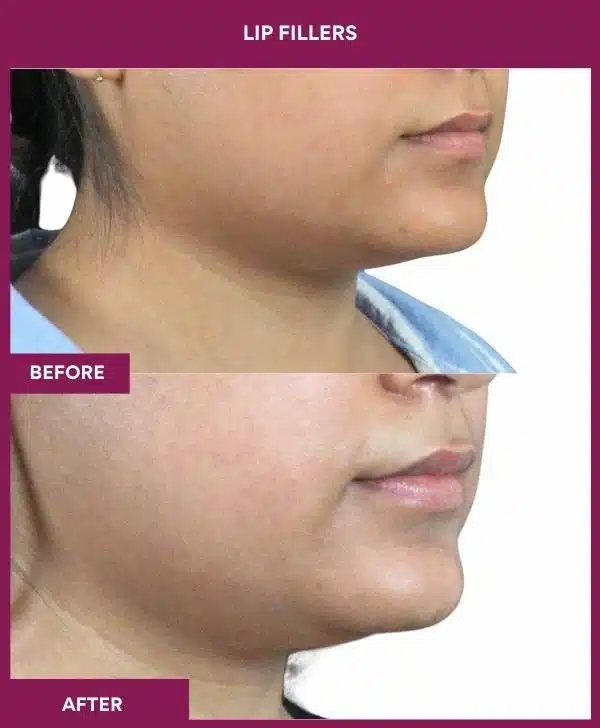
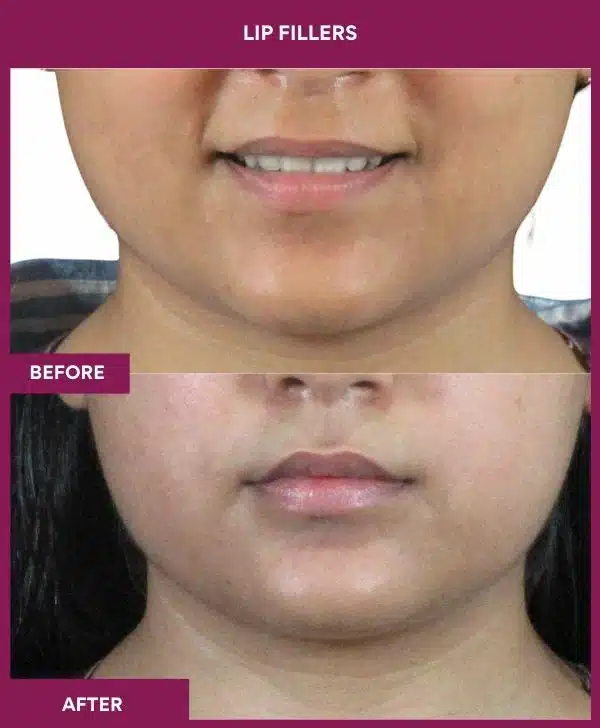
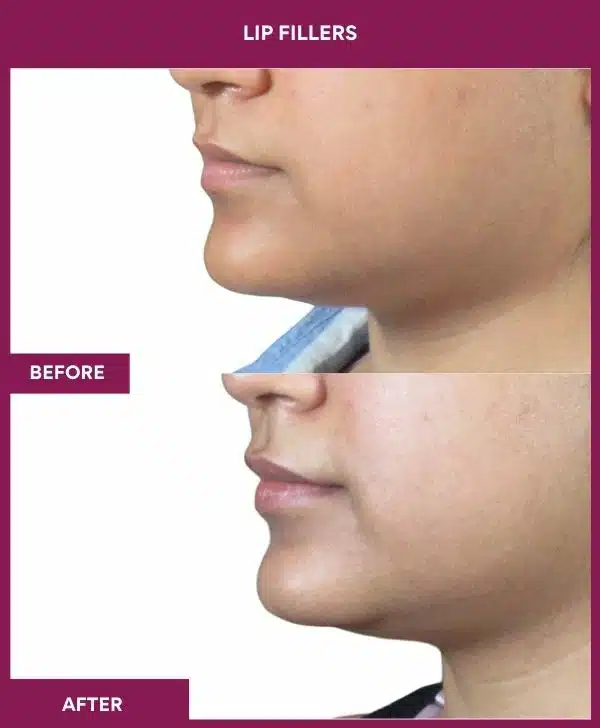
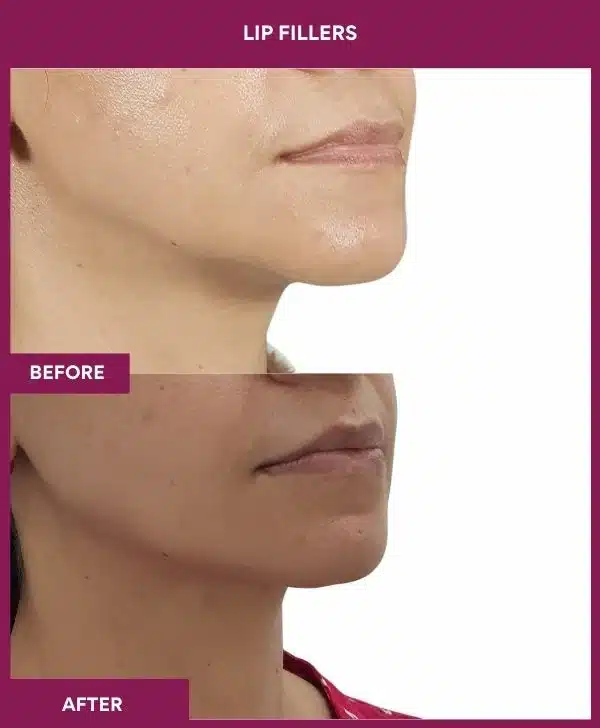
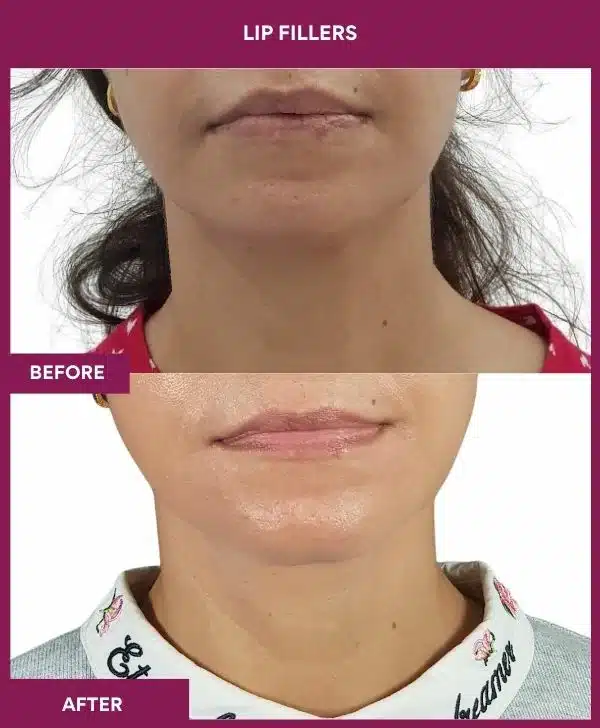
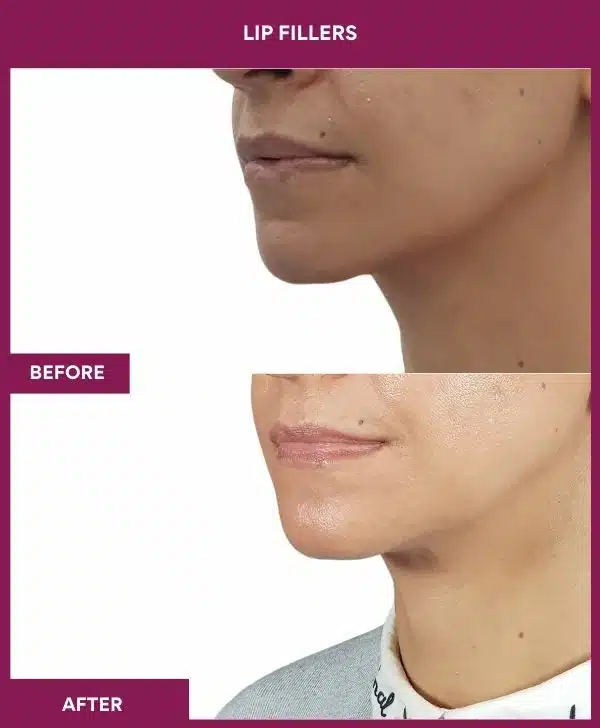
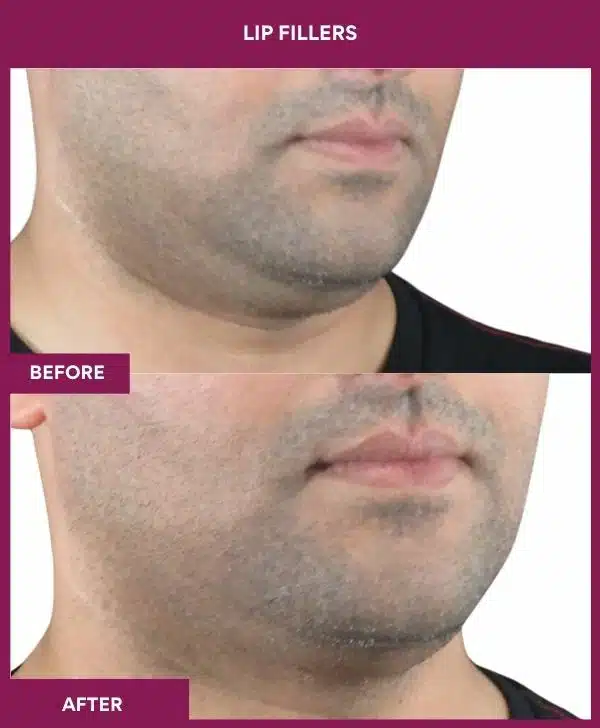
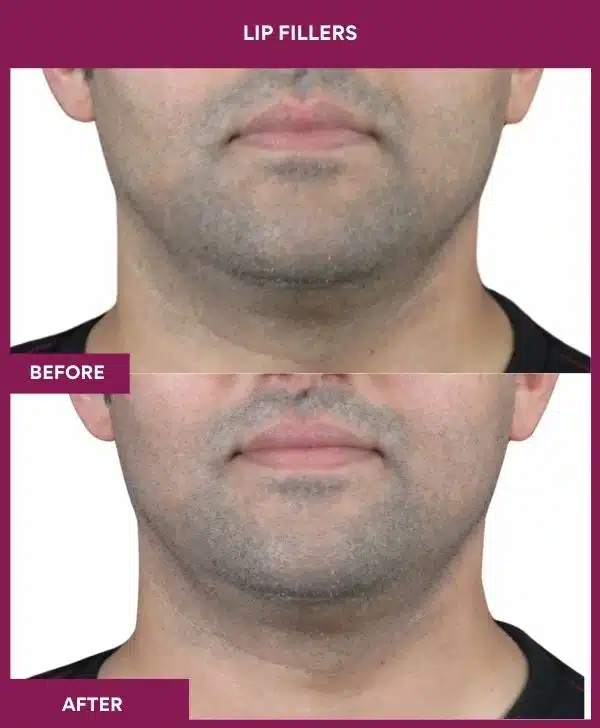
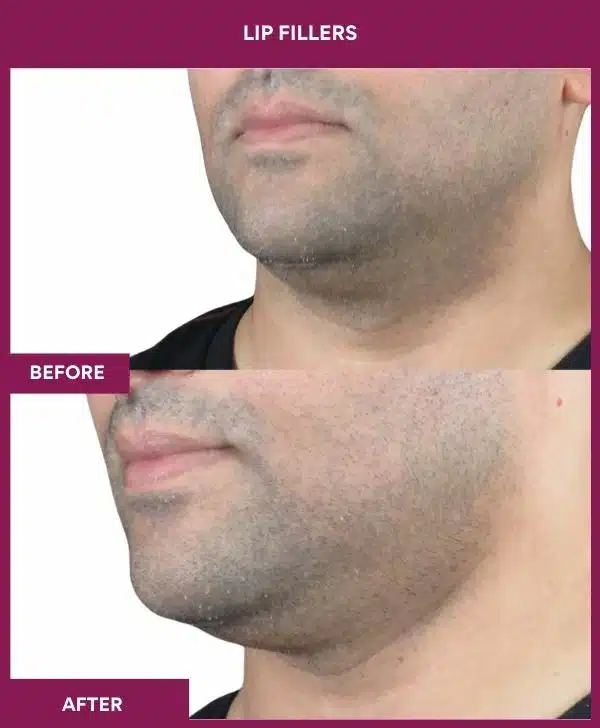
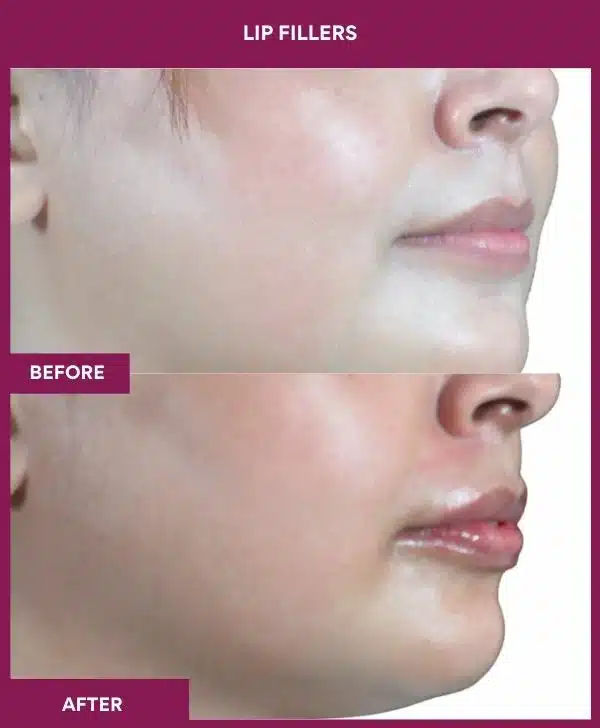
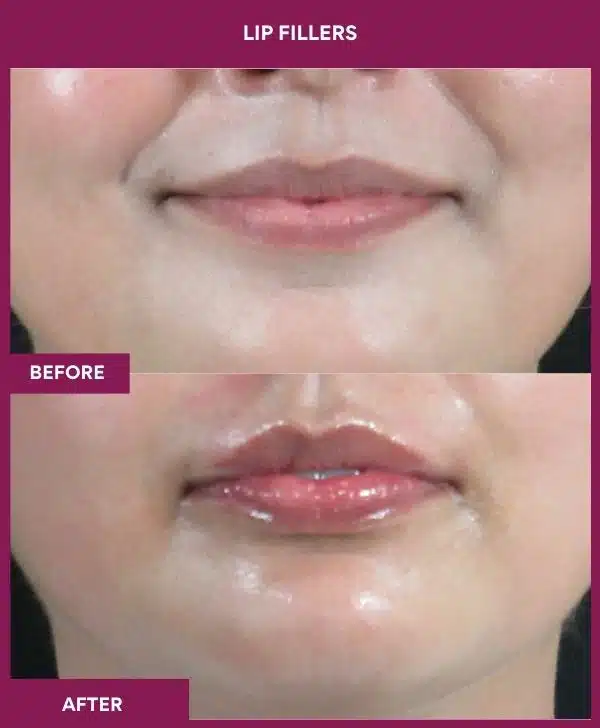
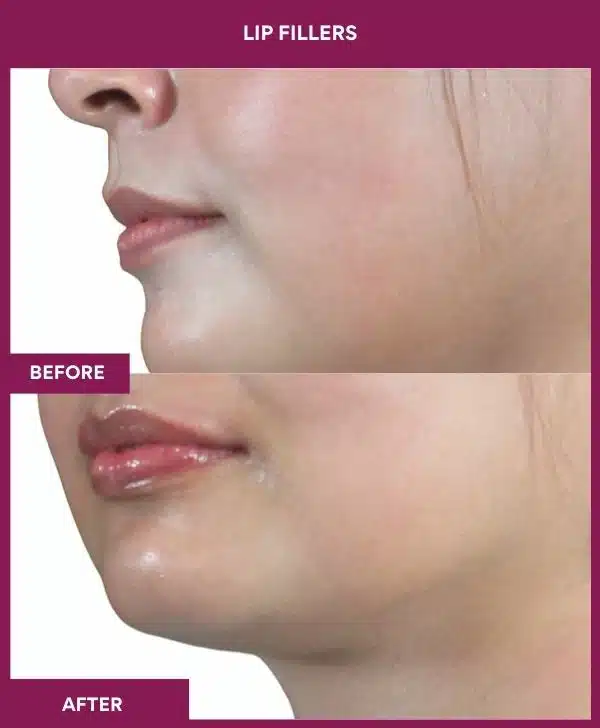
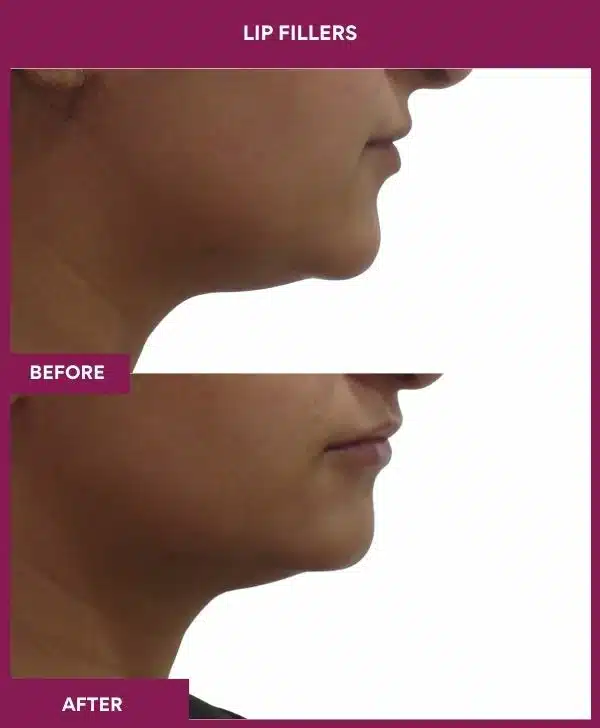
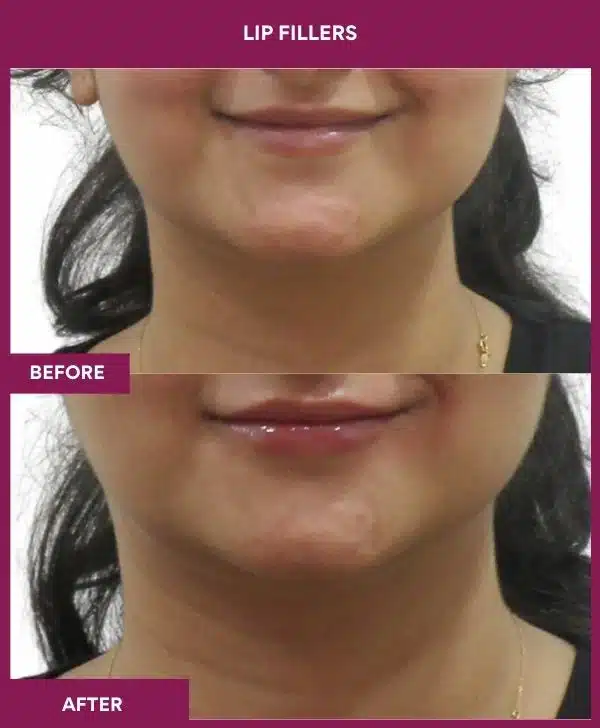
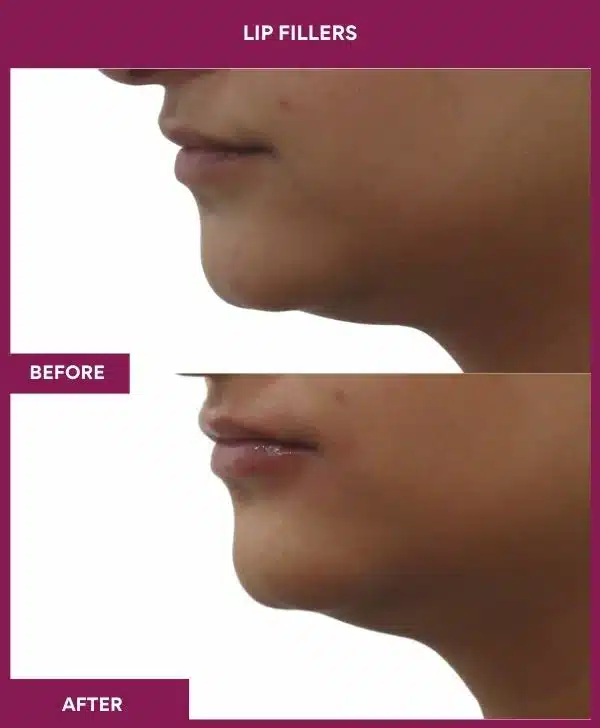
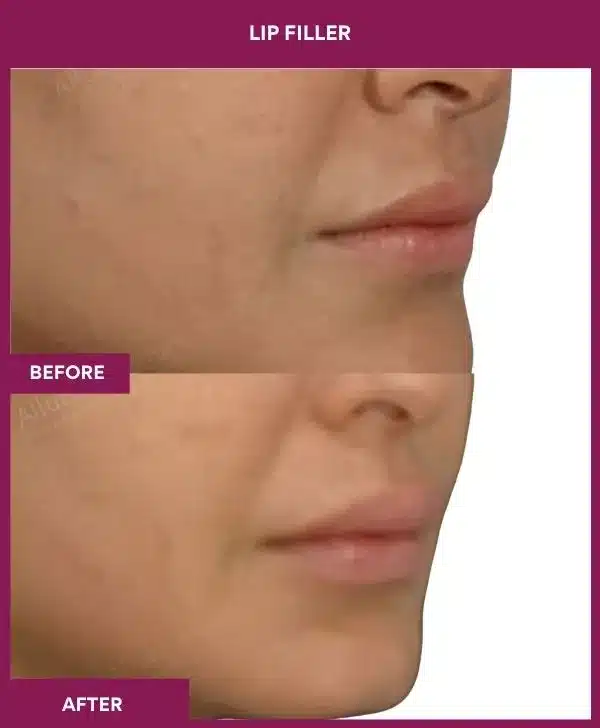
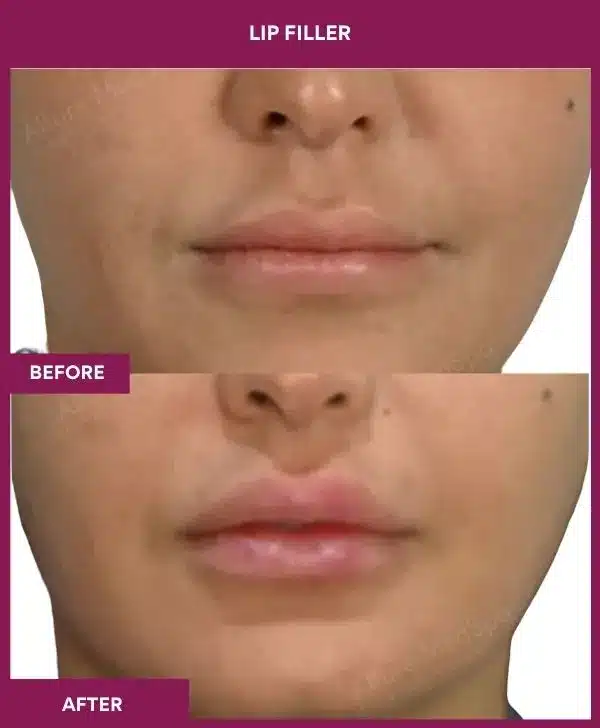
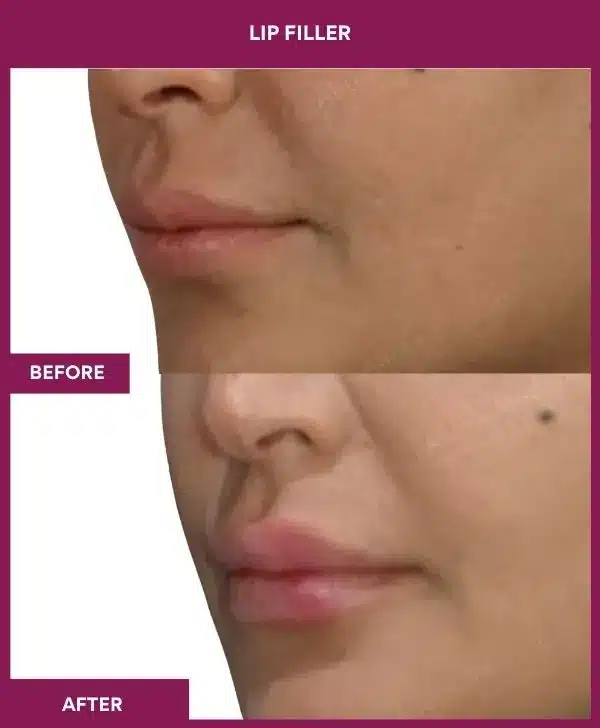
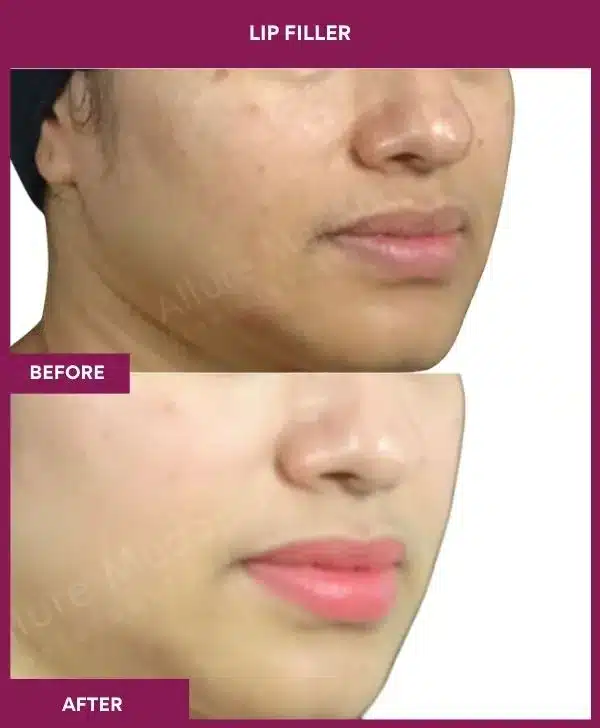
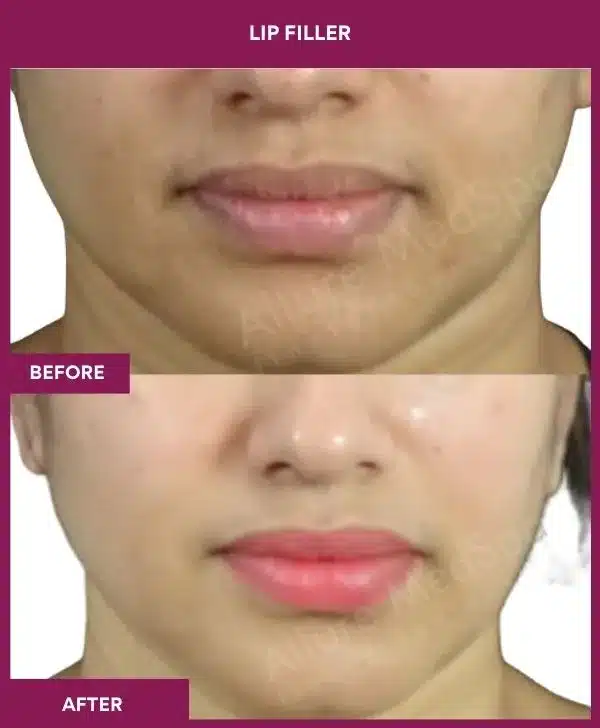
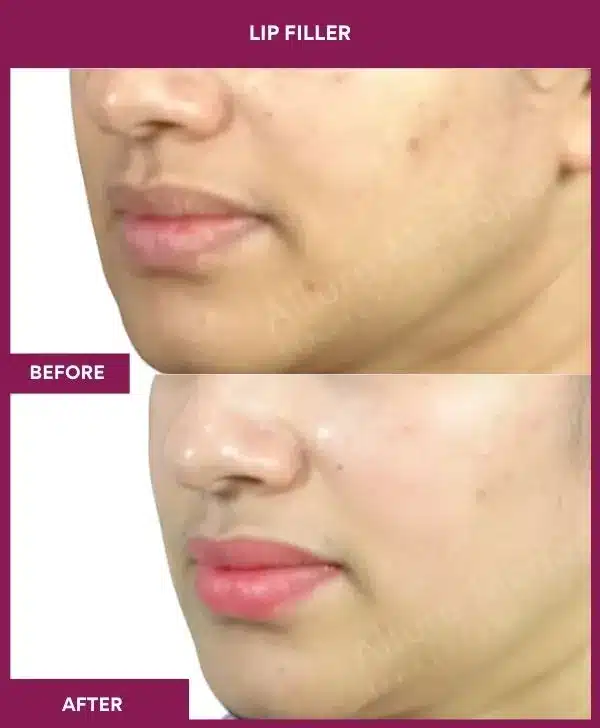
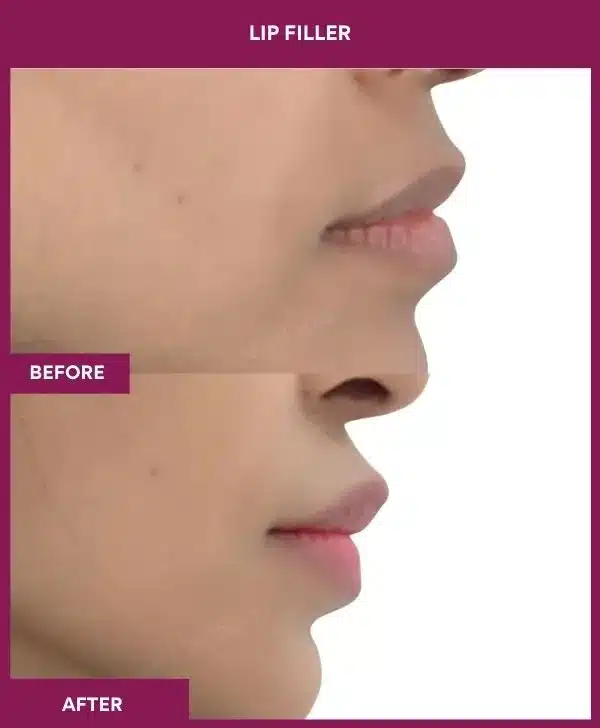
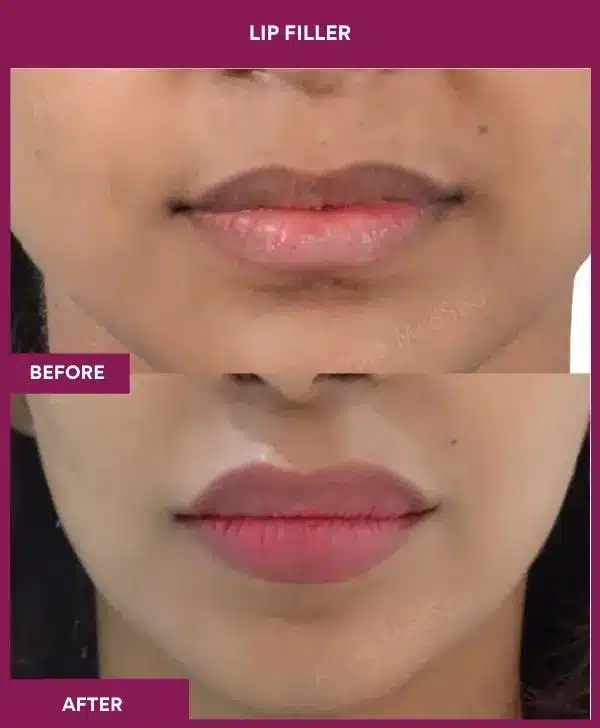
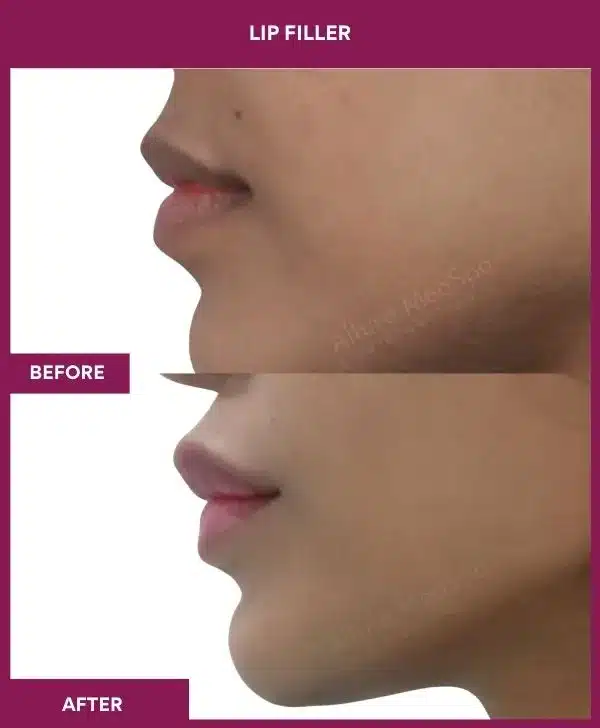
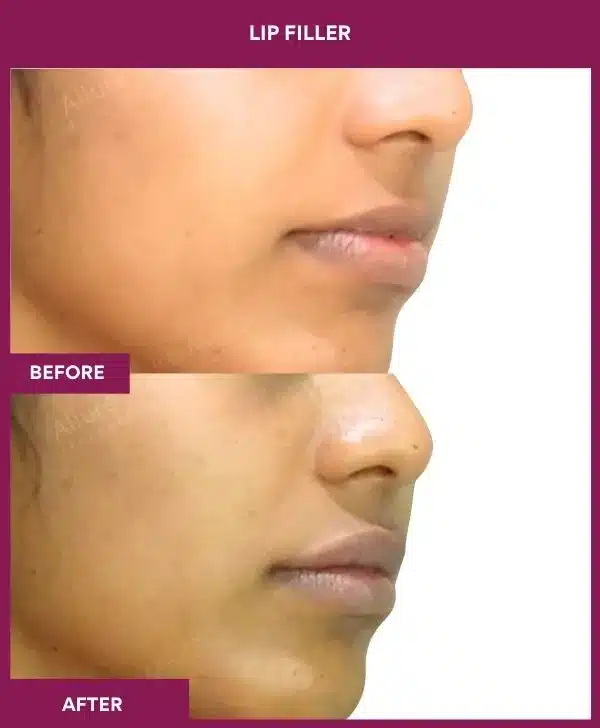
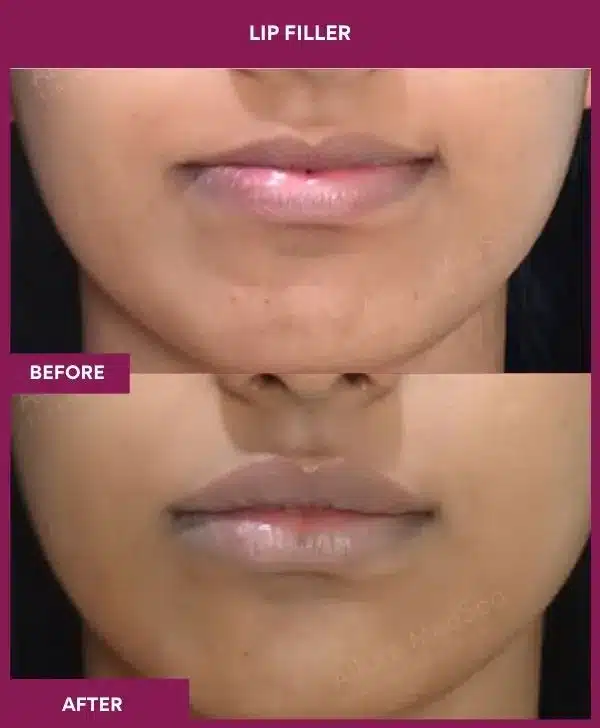
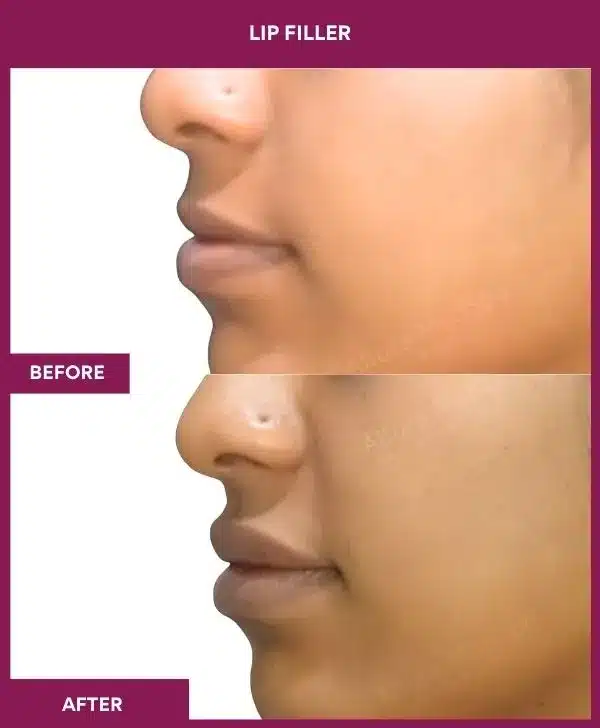
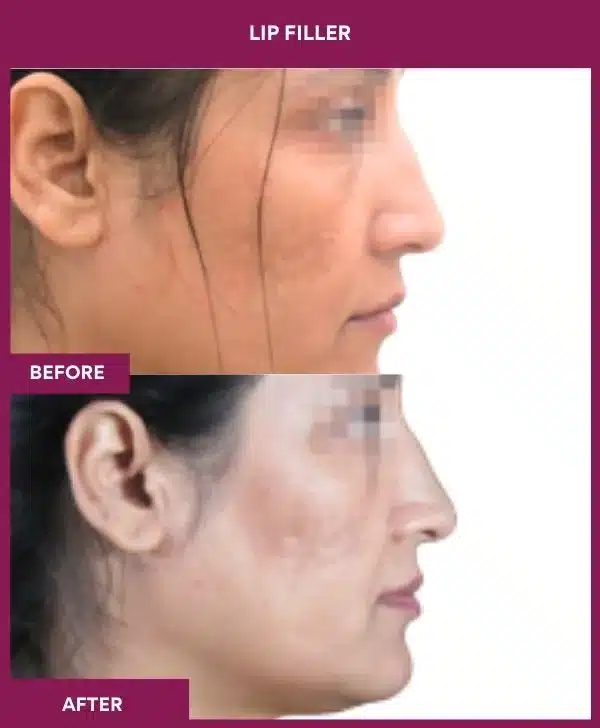
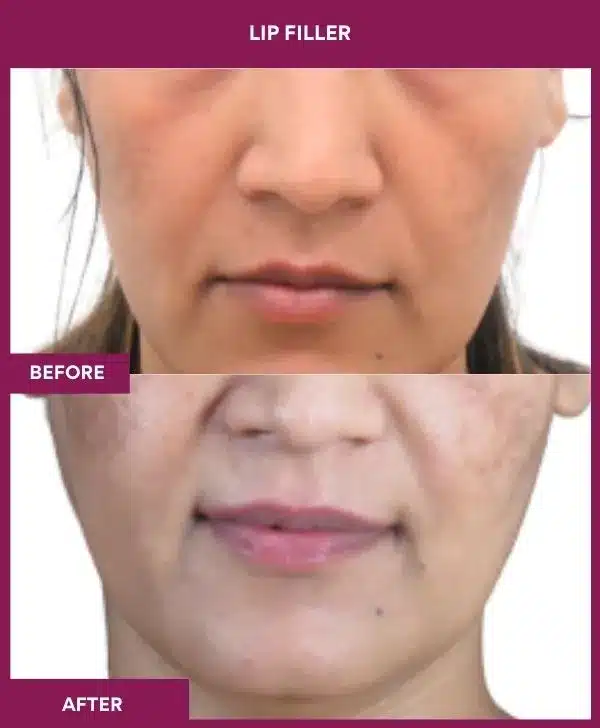
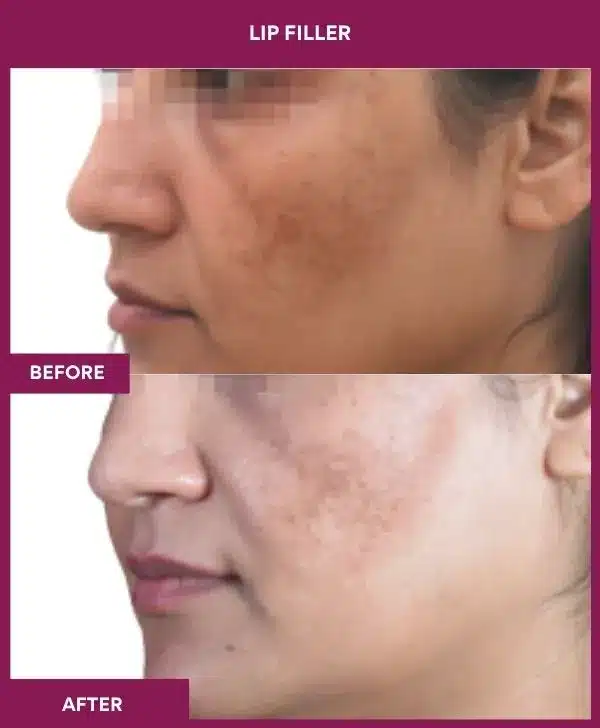
“Lip Filler Cost in Mumbai”
Lip fillers Surgery Testimonials: Fine To Fabulous Journeys

Awarded by Google.com
Rating: 4.7
Reviews: 485+

Awarded by WhatClinic.com
Rating: 4.8
Reviews: 119+

Awarded by Realself
Rating: 4.9
Reviews:453+

Awarded by Facebook
Rating: 4.6
Reviews:105+
Dr Milan Doshi and his staff are very professional and committed as the centre is highly equipped with advanced technology. I had closed rhinoplasty 4 months back and I’m seeing the results as to how it becomes successful.
Deepika Shetty
The doctor explained everything clearly and the surgery was smooth. Recovery was faster than I expected and the team was very supportive.
Rahul Mehta
Very natural results and excellent staff. From consultation to follow-up, the experience was outstanding and boosted my confidence.
Sneha Kapoor
“Thinking about enhancing your lips? Ask if Lip Fillers are right for you”
Am I a Candidate?
(4 quick questions)
Quick Facts About Lip Fillers
SESSION TIME
30–45 minutes
ANESTHESIA
Numbing cream
SESSIONS
1-2 per year
RESULTS SHOW
Immediately
DOWNTIME
1–3 days
RESULTS LAST
6–12 months
SIDE-EFFECT RATE
Under 1%
COST
₹20,000 – ₹25,000
What Is The Cost Of Lip Fillers In Mumbai?
Lip filler treatment in Mumbai typically ranges from about ₹20,000 to ₹25,000 per syringe, depending on the injector’s expertise, the filler brand and your treatment goals. What affects the cost: area treated (upper lip only, lower lip only, or both), volume used (1 ml is typical for a natural first-time result), filler brand (premium approved products cost more) and the injector’s credentials and clinic accreditation — where the real safety value sits. EMI options are on our payment process page.
| Treatment goal | Typical volume | Estimated cost (₹) |
|---|---|---|
| Subtle first-time enhancement | 0.5–1 ml HA | 20,000 – 25,000 |
| Fuller lips / defined border | 1 ml HA | 20,000 – 25,000 |
| Asymmetry or shape correction | 0.5–1 ml HA | 20,000 – 25,000 |
| Top-up (6–12 months) | 0.5–1 ml HA | 20,000 – 25,000 |
| Lips + vertical lip lines | 1 ml HA + anti-wrinkle injections | Quoted at consultation → /anti-aging-injection/ |
| Dissolving (hyaluronidase) | Session | Quoted at consultation 🩺 |
| What’s included | What’s not included |
|---|---|
| Consultation and procedure fee with the cosmetic surgeon | Pre-treatment tests and home medications — including antiviral prophylaxis if needed |
| Filler material and consumables — sealed, approved product | Rare complications or secondary corrections — including hyaluronidase dissolving, if elected |
| Facility and technology charges, plus the 2-week review | Insurance — cosmetic procedures are not covered |
Get your exact quote & surgery plan
Share your details — our team responds within working hours with cost, EMI options and next steps.
Most Common Question People Ask
Q1. How long do lip fillers last?
Ans. Most patients describe tightness, pressure and soreness rather than severe pain. Prescribed medication usually controls expected discomfort, and the first 48 hours are typically the most uncomfortable. Sudden, severe or increasing pain on one side is not expected and requires urgent contact with the surgical team.
Q2. What is used for lip filler?
Ans. Most lip fillers are hyaluronic acid, a substance found naturally in the body. It adds volume, refines shape and hydrates the lips.
Q3. When will I see the final result?
Ans. Results are immediate, but swelling means the true outcome only appears once it settles — usually 1 to 2 weeks. Don’t judge your lips in the first few days.
Q4. Do lip fillers hurt?
Ans. Only mildly. Topical numbing cream is applied and most fillers contain lidocaine, so patients typically feel pressure rather than pain.
Q5. How much do lip fillers cost in Mumbai?
Ans. Around ₹20,000–₹25,000 per syringe (+5% GST), varying by filler brand, volume and the injector’s expertise.
Q6. Can lip fillers be dissolved?
Ans. Yes — hyaluronic acid lip fillers dissolve with hyaluronidase, usually within 24–48 hours. It’s also the emergency treatment if a blood vessel is compromised.
Q7. Will lip filler give me a cold sore?
Ans. The injection can reactivate the herpes simplex virus if you already carry it — this is almost unique to lip filler. If you have a cold sore history, tell your doctor: antiviral tablets started the day before prevent it.

Why Choose Dr. Milan Doshi?
Dr. Milan Doshi, MCh, MS — Indian board-certified cosmetic surgeon with 27+ years of experience, ISAPS mentor and founder of Allure Medspa, trusted in Mumbai for safe, natural-looking lip filler treatment tailored to each patient’s facial harmony. Anatomical knowledge — the labial arterial network is the key safety factor in lip filler; natural, balanced results — personalised to every lip type and goal, avoiding an overfilled look; safety readiness — approved product from sealed syringes, hyaluronidase on site, antiviral prophylaxis where indicated. Allure Medspa: NABH-accredited; sterile, high-tech facility with strict infection-control protocols (important given lip infection risk); post-procedure support for swelling or bruising, with a 2-week review; the full injectables range — lip fillers plus dermal fillers, anti-wrinkle injections and non-surgical rhinoplasty. Outstation and overseas patients are supported end-to-end.
The Complete Guide About Lip Fillers
What Is Lip Filler Treatment?
Lip filler treatment is a non-surgical cosmetic procedure that uses injectable dermal fillers, most commonly hyaluronic acid (HA), to add volume, improve lip shape, define the lip border and correct mild asymmetry. Hyaluronic acid is a substance naturally present in the body and is widely used in temporary facial fillers.
Lip fillers can be customised according to your lip anatomy, facial proportions and desired result. Treatment may be used for:
- Adding subtle or noticeable lip volume
- Defining the Cupid’s bow and vermilion border
- Improving uneven or asymmetrical lips
- Restoring age-related loss of lip volume
- Softening some fine vertical lines around the lips
- Improving overall lip shape and proportion
Results are usually visible immediately, although temporary swelling can make the lips appear fuller at first. The appearance becomes more representative of the final result as swelling settles over the following days.
How long do lip fillers last?
Hyaluronic acid lip fillers are temporary. Many patients may see results lasting approximately 6–12 months, although longevity varies according to the filler used, amount injected, treatment area, metabolism and individual response.
Can lip fillers be dissolved?
Hyaluronic acid fillers can often be reduced or dissolved using an enzyme called hyaluronidase when medically appropriate. However, filler removal is still a medical procedure and may not always be immediate or complete.
Lip filler treatment may also be referred to as lip augmentation, lip enhancement, lip filler injections, lip plumping treatment, non-surgical lip enhancement or lip contouring.
| Lip Fillers | Dermal Fillers |
|---|---|
| Primarily used to enhance the lips | Broader category of injectable fillers used across different facial areas |
| Can improve lip volume, shape, borders and symmetry | May be used for areas such as the cheeks, chin, jawline and lips |
| Amount used is individually planned rather than fixed | Amount required varies considerably by treatment area and treatment goal |
| HA lip fillers commonly provide temporary results | Longevity varies according to filler type and treatment area |
| The lips have a rich blood supply, so precise injection technique and knowledge of facial anatomy are important | Safety considerations vary according to the anatomical area being treated |
Learn more about Dermal Fillers.
Are Thin Or Uneven Lips Holding Back Your Confidence — Can Lip Fillers Help?
Yes. Lip fillers can increase volume, improve definition and correct mild lip asymmetry without surgery when the treatment is appropriate for your anatomy and aesthetic goals.
Some people naturally have thin lips, while others notice that their lips become flatter, less defined or less plump with age. Common concerns include:
- Naturally thin or flat lips
- Lips that appear thinner when smiling
- Uneven upper and lower lip proportions
- Mild lip asymmetry
- Poorly defined lip borders
- Loss of volume with ageing
- Fine vertical lines around the lips
- Desire for a more defined Cupid’s bow
Lip filler treatment uses carefully placed injectable filler to enhance selected areas rather than simply making the entire lip larger. The goal may be subtle refinement, restored volume, improved symmetry or greater definition, depending on the individual.
A well-planned treatment should consider the lips in relation to the nose, chin, smile, facial profile and overall facial proportions rather than treating lip size in isolation.
Lip fillers may also form part of a broader facial rejuvenation plan alongside other appropriate non-surgical treatments.
How Common Are Hyaluronic Acid Fillers?
According to the ISAPS Global Survey 2024, an estimated 6.3 million hyaluronic acid filler procedures were performed worldwide by plastic surgeons in 2024, making HA fillers one of the most commonly performed non-surgical aesthetic procedures globally.
For India, the same ISAPS survey estimated approximately 97,160 hyaluronic acid procedures and 19,320 lip enhancement/perioral procedures during 2024. These are survey-based estimates and should not be interpreted as lip-filler-only HA procedure counts.
What Are The Key Benefits Of Lip Fillers?
Lip fillers can improve lip volume, shape, symmetry and definition while allowing the treatment to be customised to the patient’s facial proportions and desired outcome.
Key potential benefits include:
- Adds lip volume — enhances naturally thin lips or restores volume lost with age.
- Improves lip shape — helps refine the upper lip, lower lip or Cupid’s bow.
- Enhances symmetry — can improve mild differences between the two sides of the lips.
- Defines the lip border — creates clearer definition along the vermilion border.
- Improves lip proportions — helps balance the upper and lower lips with the rest of the face.
- May soften fine perioral lines — selected filler techniques may improve some vertical lines around the mouth.
- Highly customisable — treatment can range from subtle enhancement to more noticeable volume depending on the patient’s anatomy and preference.
- Non-surgical treatment — no surgical incision is required.
- Temporary and adjustable — most HA fillers gradually break down over time, and hyaluronidase may be used to reduce HA filler when clinically appropriate.
Temporary swelling, tenderness, redness or bruising can occur after treatment. Rare but potentially serious complications can occur if filler unintentionally enters a blood vessel, which is why lip filler should be treated as a medical procedure, not simply a beauty treatment.
Who Is A Good Candidate For Lip Fillers — And Who Should Wait?
A suitable candidate for lip fillers is generally a healthy adult who wants to improve lip volume, shape, definition or mild asymmetry and has realistic expectations about what injectable fillers can achieve.
Lip fillers may be considered if you:
- Have naturally thin lips
- Have mild lip asymmetry
- Want greater lip definition or contour
- Have experienced age-related loss of lip volume
- Want subtle enhancement without surgery
- Are in good general health
- Understand that results are temporary
- Have realistic expectations about the outcome
When Should Lip Filler Treatment Be Postponed?
Treatment may need to be delayed or may not be appropriate if you have:
- An active cold sore or herpes outbreak around the lips
- An active skin or oral infection near the treatment area
- Significant inflammation around the lips
- Certain bleeding disorders or uncontrolled medical conditions
- A known allergy or sensitivity relevant to the proposed filler
- Pregnancy or breastfeeding, depending on medical guidance and the product being considered
Your doctor should also know about medications, supplements, previous filler treatments, allergies, bleeding problems and any history of cold sores before treatment.
What If You Have A History Of Cold Sores?
Lip injections can sometimes trigger a recurrence of herpes labialis (cold sores) in susceptible patients. If you have previously experienced cold sores, tell your treating doctor before having lip fillers. Your doctor can decide whether preventive antiviral treatment is appropriate for you rather than using a standard antiviral schedule for every patient.
A consultation before lip filler treatment should assess your lip anatomy, facial proportions, medical history, previous injectable treatments and aesthetic goals so that the treatment plan is personalised and medically appropriate.
What Should I Expect During A Lip Filler Consultation?
A lip filler consultation assesses your health, goals and suitability — ensuring the treatment is safe, personalised and delivers natural-looking results.
| Step | What happens |
|---|---|
| Medical history review | Past treatments, current conditions, drug allergies, and any cold-sore history |
| Lifestyle discussion | Diet, activity, smoking, alcohol or supplements |
| Treatment goals | Desired shape and volume; bring photo references if possible |
| Current medications | Including vitamins, herbal products and blood thinners |
| Physical evaluation | Facial balance, symmetry, lip volume and skin texture |
| Photographs | Taken for before-and-after comparison |
| Treatment plan | Custom options, realistic results, risks and the clinic’s emergency protocol |
Pro tip: prepare a list of your questions and desired outcomes to get the most from your consultation. Book online (/online-consultations/) or in person.
How Is Lip Augmentation Performed — Fillers, Fat Grafting Or Implants?
Lip augmentation can be done non-surgically with injectable fillers, or surgically with fat grafting or implants — the choice depends on the look you want, how long you want it to last, and your lip anatomy.
| Option | What it is | Lasts | Best for |
|---|---|---|---|
| Lip fillers (HA) | Outpatient, 15–30 minutes with numbing cream; filler placed at planned points for even, balanced enhancement; volume dialled up or down; dissolvable with hyaluronidase | 6–12 months | Temporary, customisable, reversible enhancement — first-timers |
| Fat grafting | Your own purified fat, harvested via liposuction; biocompatible with no allergy risk, though fat survival in the lips is variable and top-ups are often needed → /fat-injections-surgery/ | Long-term (partial reabsorption) | Patients wanting a lasting change who accept surgery |
| Lip implants | Solid, soft silicone or biodegradable implants placed through tiny incisions; long-lasting, but they can be felt, may need exchange, and carry small risks of migration, extrusion or infection | Years | Rarely chosen; discussed case by case |
Note: solid lip implants are a different thing entirely from injectable liquid silicone, which regulators state is not approved for any aesthetic procedure. If you want to reduce lip size instead, see lip reduction surgery.
Which Lip Filler Style Suits Your Face?
The most suitable lip filler style depends on your natural lip shape, facial proportions, symmetry and the result you want rather than following a fixed trend. Some techniques focus on restoring lost volume, while others emphasise the cupid’s bow, lower lip, upper lip or lateral borders. During consultation, the placement pattern and amount of filler are customised so the lips remain balanced with the rest of the face.
| Style | What it does |
|---|---|
| Classic | Restores volume lost through ageing |
| Rubina | Balanced fullness, suited to wider faces |
| Cupid | Emphasises the cupid’s bow |
| Pearlique | Enhances lower-lip volume |
| Hollywood | Fuller upper lip, minimal lower lip |
| Angelic | Defines the lateral upper lip borders |
The style is chosen at the consultation from your natural lip proportions and the rest of the face — not from a trend. The most-requested “Russian lip” look (height without projection) is a placement technique rather than a product, and suits some lip shapes but not others.
How Are Lip Fillers Placed? (Step By Step)
Lip fillers are placed by first assessing and mapping the lips, followed by cleansing and numbing the area for comfort. Hyaluronic acid filler is then injected in small, controlled amounts using a fine needle or cannula at selected points and depths. The lips are checked for symmetry and shape throughout, followed by gentle moulding when appropriate, cooling and a review after the swelling has settled.
| Step | What happens |
|---|---|
| 1. Mapping and photographs | Lip proportions, asymmetry and the cupid’s bow are marked; baseline photographs taken |
| 2. Cleansing and numbing | Antiseptic prep; topical numbing cream for 15–20 minutes |
| 3. Injection | Hyaluronic acid filler placed at planned points at the correct depth by fine needle or cannula, in small amounts, checking symmetry as it goes |
| 4. Shaping | Gentle moulding for even distribution; volume adjusted for subtle or fuller results |
| 5. Review | Cold compress, aftercare sheet and a 2-week review to assess the settled result |
Total time is 30–45 minutes including numbing; the injection itself takes about 15 minutes.
What Results Can You Expect — And How Long Do They Last?
Lip fillers can provide an immediate improvement in lip volume, shape and definition, but the final result is best assessed after the initial swelling has settled. Most hyaluronic acid lip fillers are temporary and commonly last around 6–12 months, although individual results vary.
When Will You See The Final Lip Filler Result?
Immediately after treatment, your lips may look fuller than expected because of temporary swelling. Mild tenderness, redness or bruising may also occur.
A typical recovery pattern is:
- Immediately after treatment — increased volume and definition are visible.
- First few days — swelling may temporarily make the lips appear larger or slightly uneven.
- Around 1–2 weeks — most early swelling has settled and the result can be assessed more accurately.
- Following months — the filler gradually breaks down and the enhancement slowly reduces.
The FDA notes that swelling and bruising are common after dermal filler injections and may take days to weeks to resolve.
How Long Do Lip Fillers Last?
Hyaluronic acid lip fillers commonly last approximately 6–12 months, but there is no single duration that applies to everyone.
Longevity can depend on:
- The type and formulation of filler used
- The amount and location of filler placed
- Your lip movement and anatomy
- Individual metabolism
- Previous filler treatments
- The desired degree of correction
Some patients choose maintenance treatment when the effect begins to decrease. Top-ups should be based on clinical assessment rather than automatically scheduled at fixed intervals.
A conservative approach is usually preferable. It allows the lips to settle before deciding whether additional volume or refinement is needed.
Fat grafting and lip implants are different procedures from injectable HA lip fillers and have different longevity, risks and recovery requirements.
How Long Does Recovery Take — And What Aftercare Should You Follow?
Most people resume normal activities the same day after lip filler treatment; swelling and bruising settle within 2–3 days, and the final result appears at 7–14 days. Good aftercare helps the filler settle evenly and lowers the risk of bruising, swelling and infection — the first 24–48 hours matter most.
| Timeline | Temporary fillers | Surgical options (fat grafting or implants) |
|---|---|---|
| Swelling / bruising | Mild, for 2–3 days | Downtime about a week |
| Final result | Visible in 7–14 days | Weeks, as swelling settles |
| Scars / numbness | None; minimal discomfort | Minor scarring, fading gradually; numbness up to a month |
| Aftercare | Why |
|---|---|
| Ice gently — cold compress in the first 24 hours (don’t press hard) | Reduces swelling |
| Stay upright — avoid lying flat for a few hours; sleep slightly elevated the first night | Limits swelling |
| Avoid pressure — no kissing, straws, smoking or vigorous puckering for 24–48 hours | Lets the filler settle in place |
| Skip heat and exercise — no strenuous workouts, saunas, steam or hot drinks for 24–48 hours | Limits swelling and bruising |
| Avoid alcohol and blood thinners for 24 hours | Limits bruising |
| Don’t massage — unless your injector specifically tells you to | Prevents displacement |
| Eat carefully once the numbing wears off; avoid very hot, salty or spicy food the first day | Comfort; avoids biting the lip |
| Call the clinic if — severe pain, blanching (whitening), dusky or mottled skin, or spreading swelling | Possible vascular occlusion — an emergency |
What Are The Risks And Complications Of Lip Fillers?
Most lip filler side effects are mild and temporary — swelling, bruising and tenderness. The two risks that need real attention are cold sore reactivation and, rarely, vascular occlusion of a labial artery, which requires immediate treatment.
| Category | Risk | Detail |
|---|---|---|
| Common and temporary | Swelling and bruising | Expected for 2–3 days; the lips are vascular and bruise easily |
| Common and temporary | Tenderness and small lumps | Usually soften over 1–2 weeks |
| Common and temporary | Asymmetry | Often just uneven swelling; assessed properly at the 2-week review |
| Specific to lips | Cold sore (HSV) reactivation | The injection trauma can trigger herpes labialis; almost unique to lip augmentation, and preventable with antiviral prophylaxis if you have a history |
| Specific to lips | Infection | Uncommon; multiple needle passes increase the risk, which is why sterile technique matters |
| Specific to lips | Tyndall effect | A bluish tint if filler is placed too superficially; harmless and correctable with hyaluronidase |
| Rare but serious | Vascular occlusion | Filler entering or compressing a labial artery; the whole lip can blanch within about ten minutes of injection. Warning signs — pain out of proportion, skin turning white, or a dusky, mottled appearance. This is an emergency: the injector stops, assesses perfusion and gives high-dose hyaluronidase; early treatment reverses ischemia in up to 80% of cases when started within 4–6 hours |
How risk is minimised: deep knowledge of the labial arterial network, careful avoidance of high-risk zones near the philtrum and mouth corners, conservative volumes, and hyaluronidase kept on site.
Can Lip Fillers Be Dissolved Or Reversed?
Yes. Hyaluronic acid lip filler can usually be reduced or dissolved using an injectable enzyme called hyaluronidase. Hyaluronidase breaks down hyaluronic acid filler and may be used when correction is medically or aesthetically appropriate.
It may be considered for:
- Excess or unwanted filler
- Over-correction
- Filler migration
- Certain lumps or irregularities
- Superficially placed HA filler
- Selected filler-related complications
- A result that requires significant correction
However, dissolving filler is itself a medical procedure. The amount of hyaluronidase required and the response can vary depending on the filler product, its location, how much is present and how long it has been in the tissue.
The FDA notes that injectable HA fillers can be dispersed or dissolved using hyaluronidase, although using hyaluronidase specifically to dissolve cosmetic HA filler is an off-label use in the United States.
Can Every Type Of Lip Filler Be Dissolved?
No. Hyaluronidase works on hyaluronic acid fillers; it does not provide the same reversal option for every filler material.
Permanent fillers, calcium hydroxylapatite (CaHA), poly-L-lactic acid (PLLA), fat grafting and implants require different management approaches. Some filler materials may be difficult or impossible to remove completely.
What If A Blood Vessel Is Blocked By Filler?
Suspected vascular occlusion is a medical emergency and requires immediate assessment and treatment. It occurs when filler enters or compromises a blood vessel and reduces blood flow to the surrounding tissue.
For vascular occlusion involving HA filler, professional guidance supports prompt treatment with hyaluronidase rather than waiting for a fixed number of hours.
Increasing pain, unusual blanching or whitening of the skin, dusky or mottled discolouration, or other concerning symptoms after filler treatment should therefore be assessed urgently by the treating medical team.
Do Lip Fillers Migrate — And How Is It Fixed?
Yes, lip filler migration can occur, although it does not happen to every patient. Migration means filler is present outside the intended treatment area, sometimes causing fullness above the natural lip border or reducing the definition between the lip and surrounding skin.
What Does Lip Filler Migration Look Like?
Possible signs can include:
- Puffiness above the vermilion border
- A blurred or poorly defined lip outline
- Fullness between the upper lip and nose
- Uneven or unnatural contours
- A ridge or shelf-like appearance above the lip
However, early swelling should not automatically be labelled as filler migration. The lips commonly swell after injections, so the appearance should usually be reassessed after the initial healing period unless there are symptoms requiring earlier medical review.
Why Can Lip Filler Migrate?
Several factors may contribute, including:
- Excess filler for the available lip anatomy
- Repeated treatment without adequately assessing existing filler
- Product placement or injection technique
- Filler characteristics
- Individual anatomy and tissue behaviour
- Previous filler treatments
Migration therefore cannot always be attributed to one single cause.
How Can Lip Filler Migration Be Corrected?
When migrated filler is made from hyaluronic acid, hyaluronidase may be used to reduce or dissolve the unwanted filler. The lips can then be reassessed before deciding whether further treatment is appropriate. FDA materials also describe hyaluronidase being used for HA filler migration, superficial placement and over-correction.
The safest approach is not necessarily to immediately add more filler. Existing product, swelling, lip anatomy and previous treatments should first be evaluated.
🩺 Dr. Doshi’s Note — “The lip filler results I prefer are the ones that look natural and remain in harmony with the face. I prefer to start conservatively, allow the lips to settle and review the result before deciding whether anything more is needed. If someone comes with significant migration or overfilling from previous treatment, correcting the existing filler may be more appropriate than simply adding more.”
Medical Codes for Lip Fillers
CPT 11950 subcutaneous injection of filling material (1 cc or less), 11951 for more, 17999 unlisted; ICD-10 Z41.1 encounter for cosmetic procedure.
| Code system | Code | Description |
|---|---|---|
| CPT | 11950 | Subcutaneous injection of filling material (e.g., collagen) — 1 cc or less; commonly used for lip augmentation with hyaluronic acid |
| CPT | 11951 | Injection of more than 1 cc of filler |
| CPT | 11954 | Injection of filler for other than face (rarely used for lips) |
| CPT | 17999 | Unlisted procedure, skin — used when a specific code does not exist |
| ICD-10 | Z41.1 | Encounter for cosmetic surgery |
| ICD-10 | Z41.8 | Encounter for other procedures for purposes other than remedying health state |
| ICD-10 | Z42.8 | Encounter for follow-up exam after cosmetic surgery |
Note: since lip fillers are cosmetic, insurance rarely reimburses these codes. Always double-check with your billing system and payer policies as they can differ.
(FAQs) Frequently Asked Question About Lip Fillers
Q1. What warning signs should I watch for?
Ans. Pain out of proportion to the injection, the lip turning white (blanching), or dusky, mottled skin. These can indicate a blocked blood vessel and need immediate attention — call the clinic straight away.
Q2. Do lip fillers migrate?
Ans. They can, usually above the lip border, causing puffiness that blurs the natural outline. It’s most often caused by over-filling, frequent top-ups or too-superficial placement — and is correctable with hyaluronidase.
Q3. Are lip fillers permanent?
Ans. No. Most dissolve naturally over 6–12 months. Permanent fillers are rarely recommended because complications are far harder to correct.
Q4. Can I kiss or use a straw after lip fillers?
Ans. Avoid kissing, straws, smoking and vigorous puckering for 24–48 hours so the filler can settle without pressure.
Q5. Can I eat after lip fillers?
Ans. Yes, once the numbing wears off. Avoid very hot drinks, alcohol and salty or spicy food for the first 24 hours.
Q6. What happens if I stop getting lip fillers?
Ans. Your lips gradually return to their original shape as the filler dissolves. It doesn’t make them sag or look worse than before.
Q7. How much filler is 1 ml?
Ans. One ml usually gives a natural-looking enhancement and is the standard starting point for first-timers. It’s easier to add more later than to dissolve an overfilled lip.
Q8. Are lip fillers safe?
Ans. Yes, when an approved filler is injected by a qualified, experienced professional in a sterile setting. Common effects are swelling and bruising. Rare complications include infection, lumps and vascular occlusion.
Q9. Is lip filler better than surgery?
Ans. Filler is minimally invasive, reversible and has quicker recovery than lip implants or fat grafting. Surgery suits those wanting long-term change. Both have a place.