
Fractional CO₂ Laser Treatment in Mumbai: Renew, Resurface, Rejuvenate With Expert Care

Indian Board Certified Plastic Surgeon
M.CH, MS, ISAPS Mentor
16000+ Cosmetic Surgeries
600+ Fractional Co2 Laser
Fractional CO₂ laser treatment is an advanced form of laser resurfacing that uses a carbon dioxide laser to remove damaged skin in thousands of microscopic columns — leaving the skin between them intact — and to trigger deep collagen regeneration. It is the strongest non-surgical tool for pitted acne scars, etched wrinkles, sun damage and rough texture, with a week of visible recovery and results that keep improving for six months. At Allure Medspa it is planned by a plastic surgeon who also revises scars surgically, so you are told plainly whether the laser, a surgical revision, or both will give you the result.
Fractional Co2 Laser Treatment Before and After Images
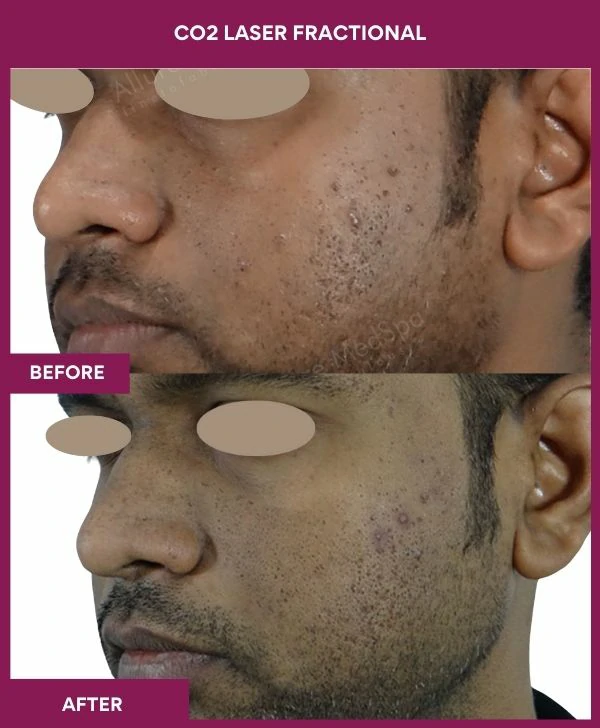
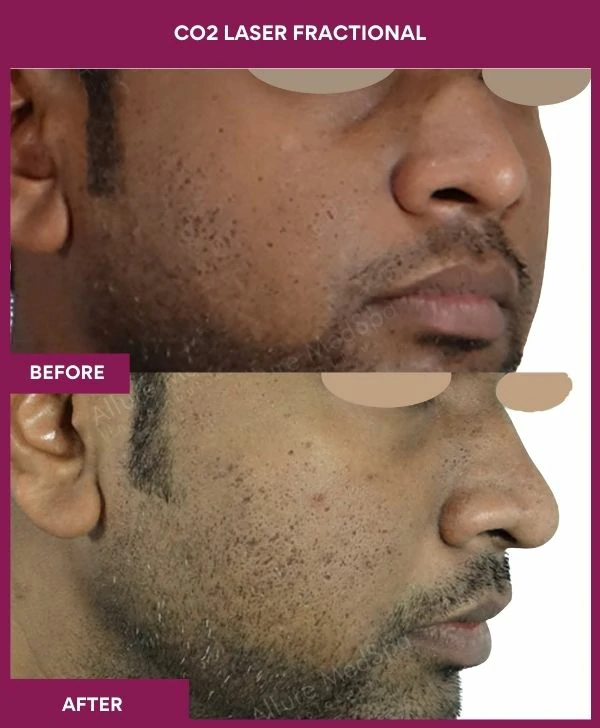
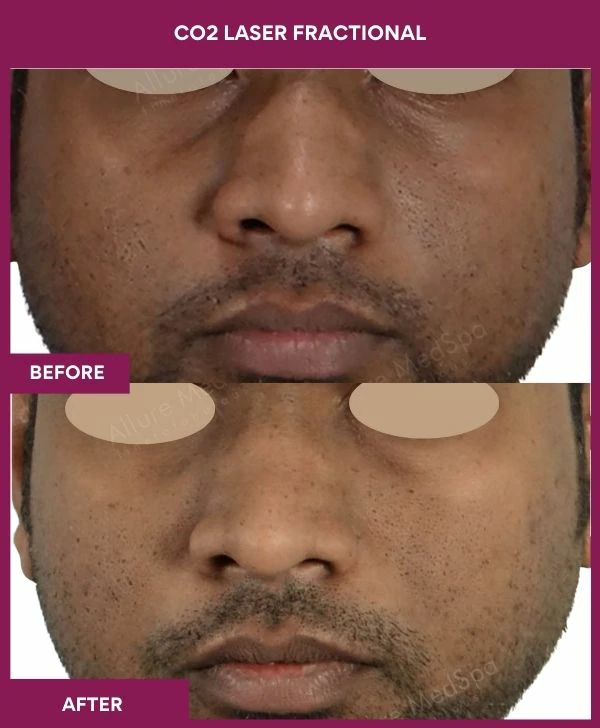
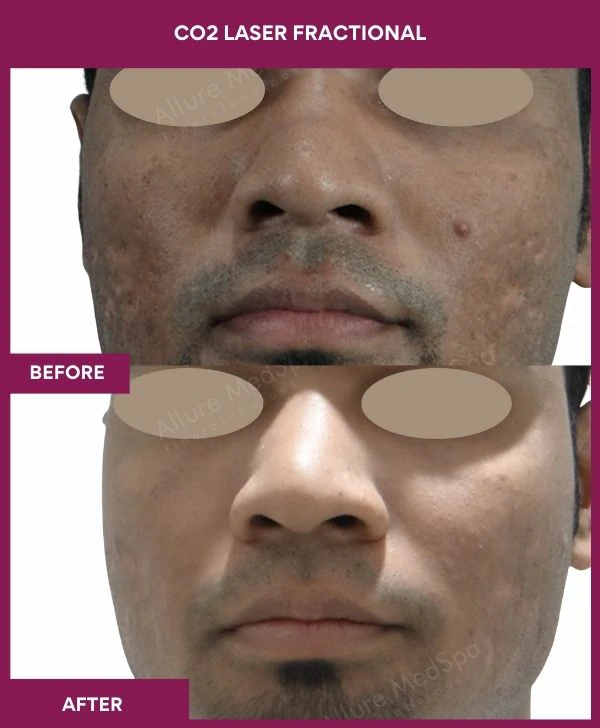
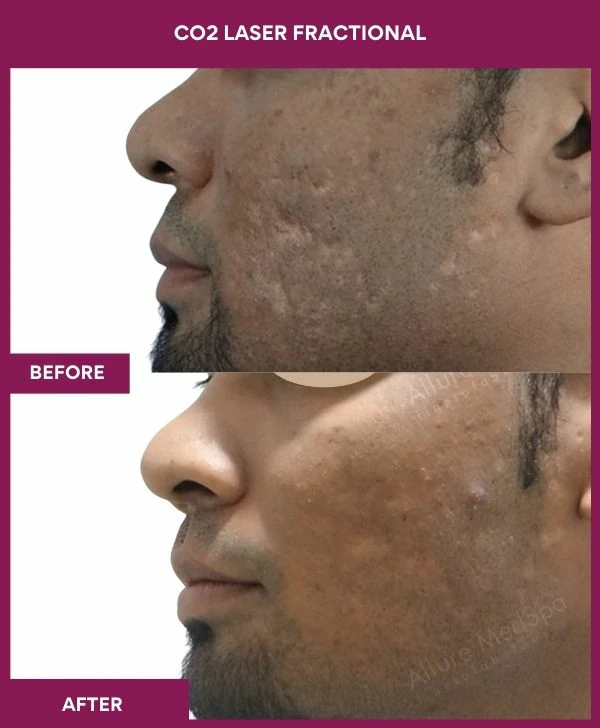
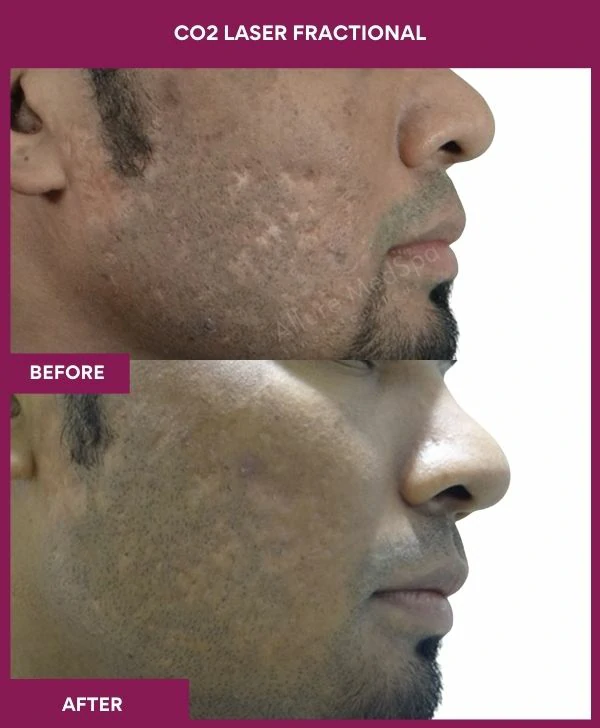
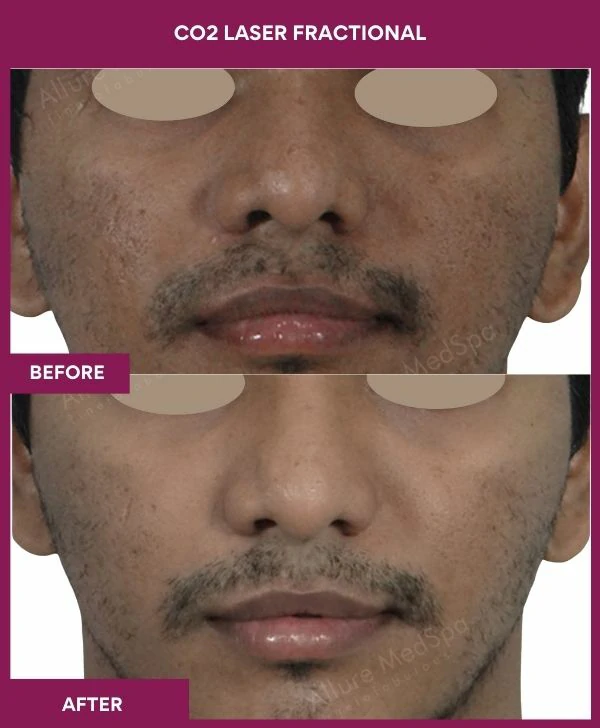
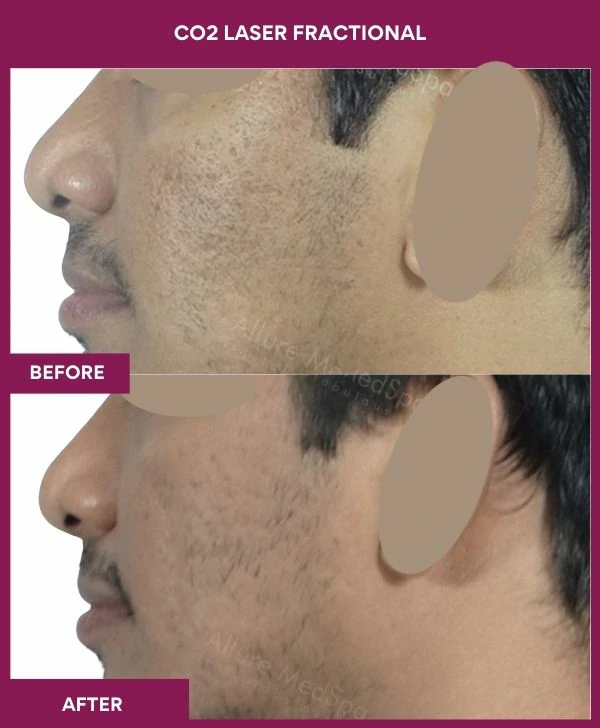
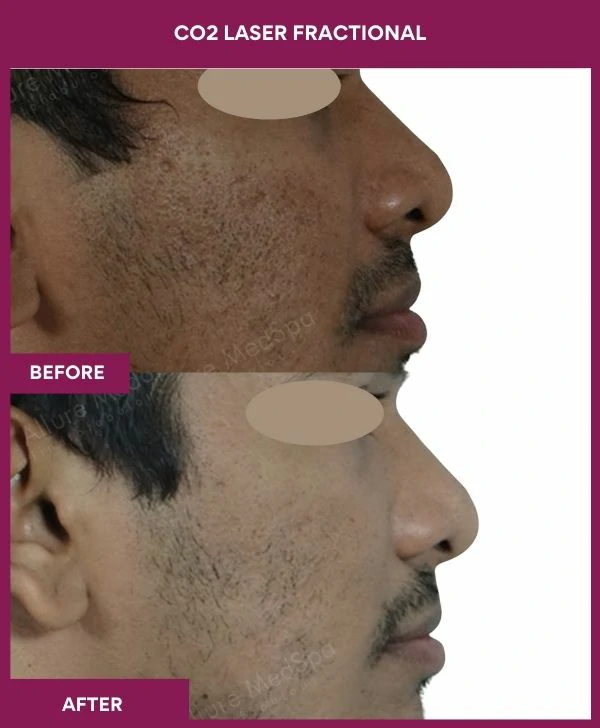
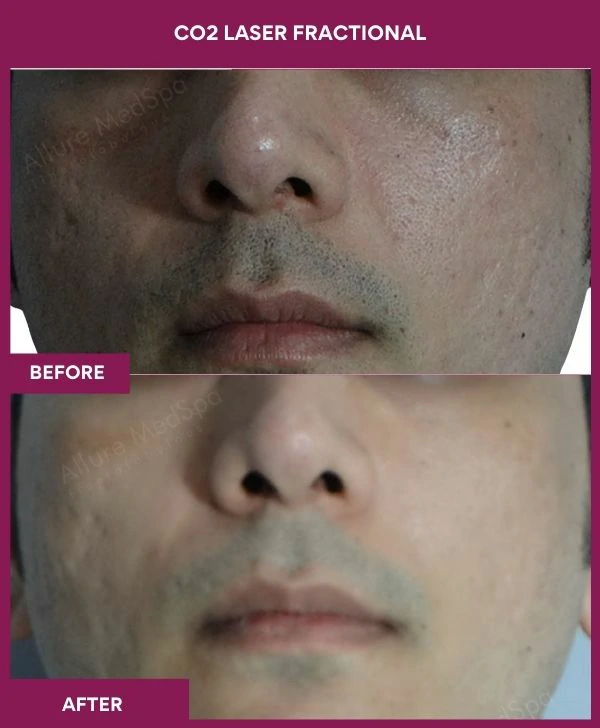
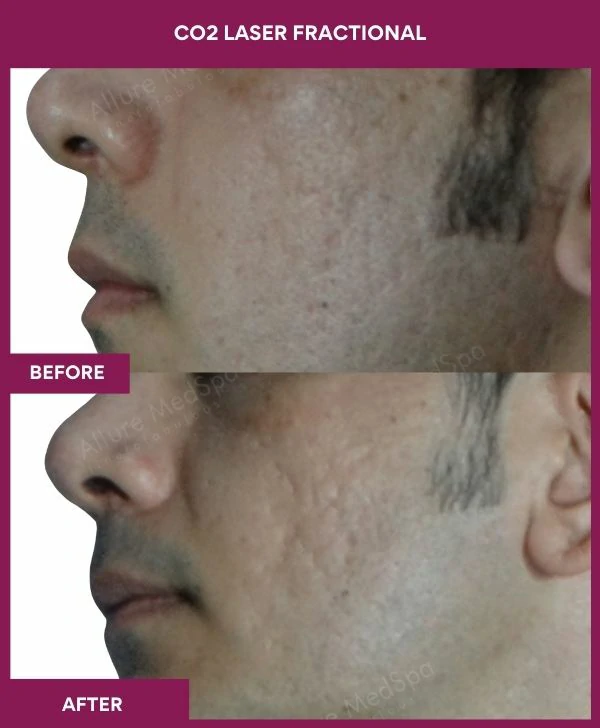
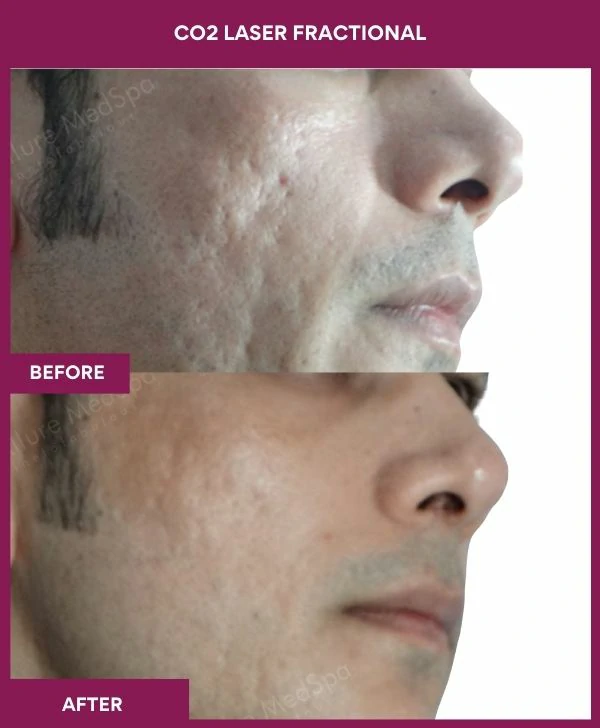
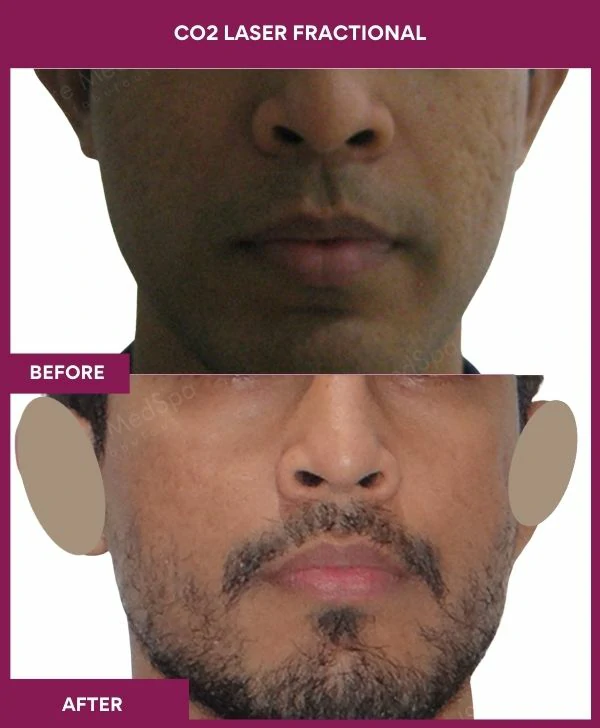
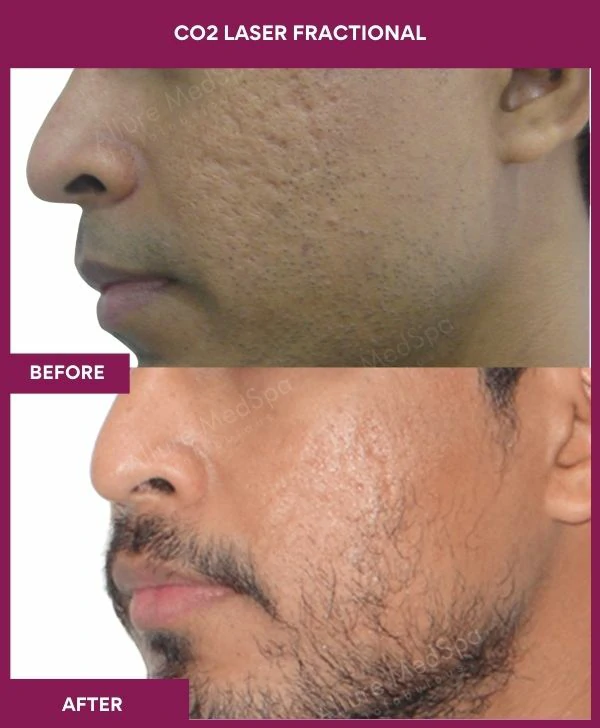
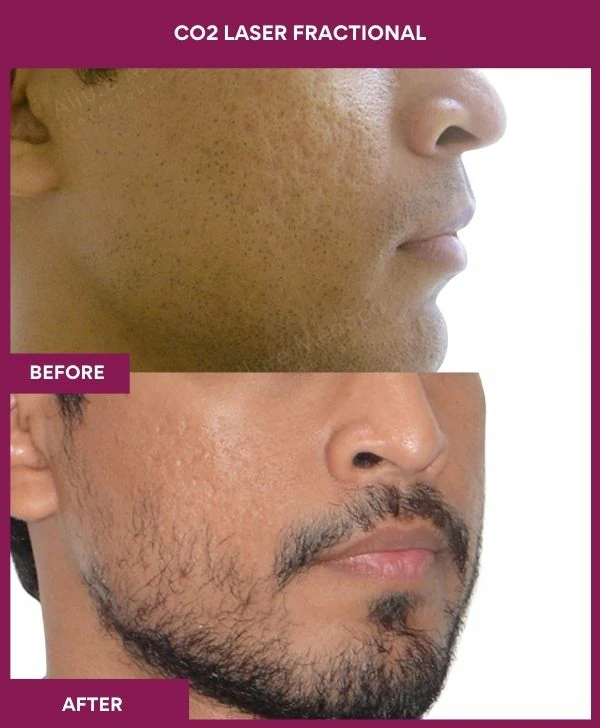
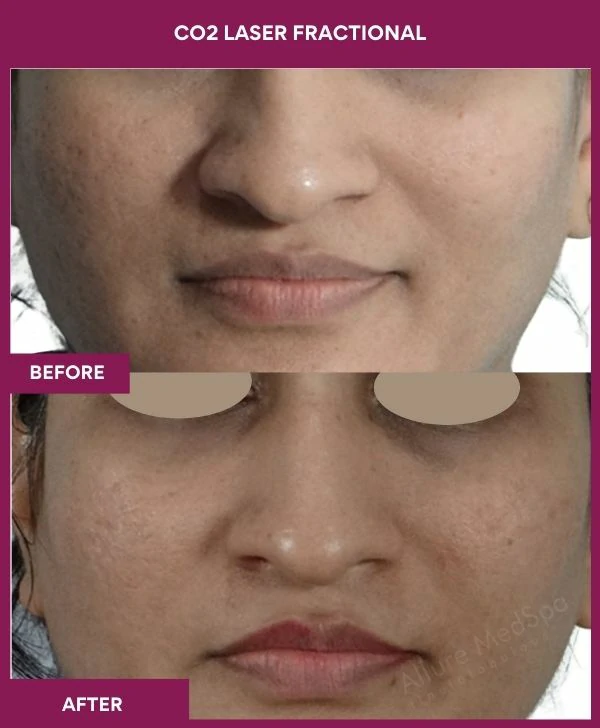
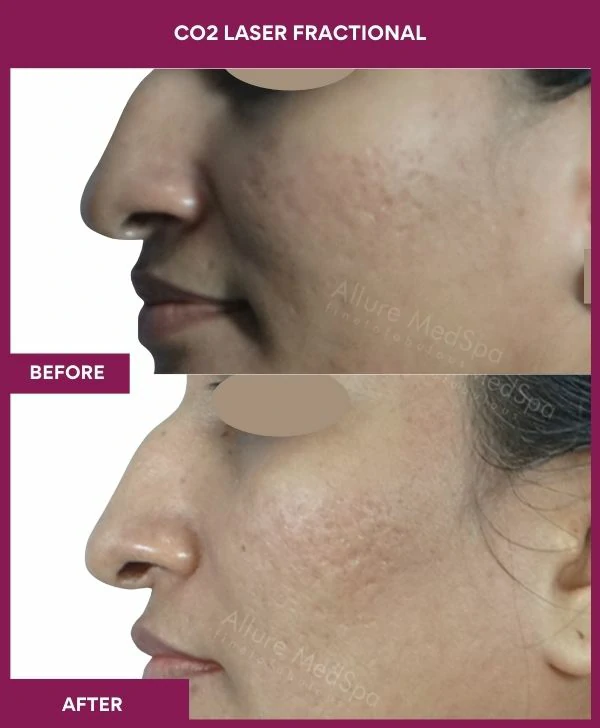
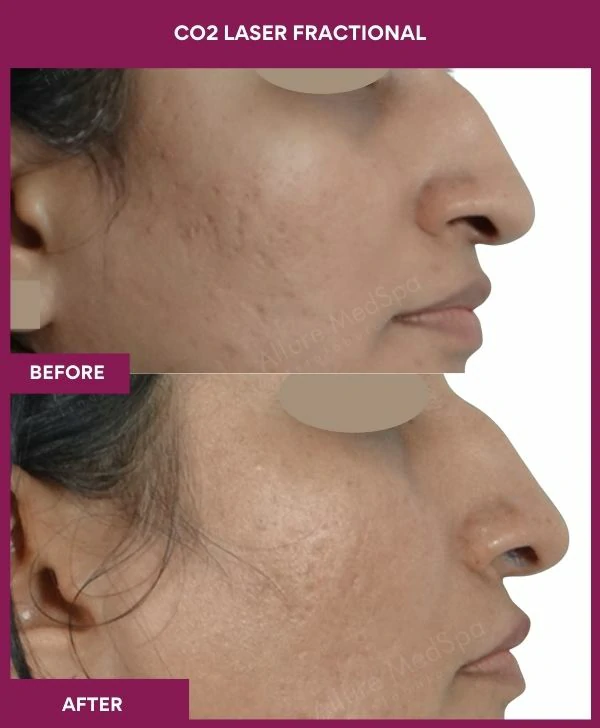
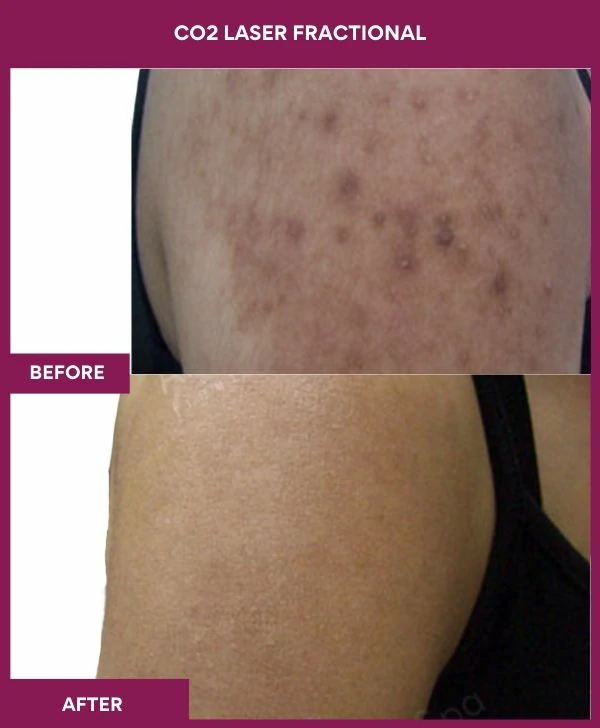
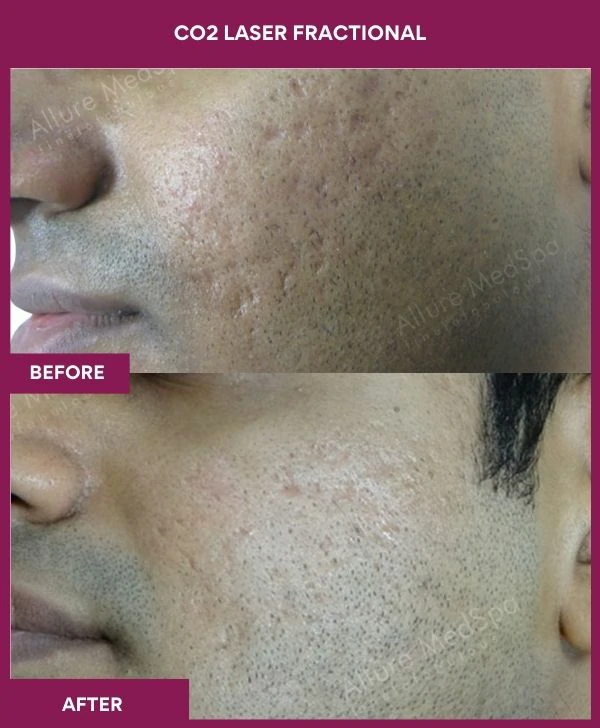
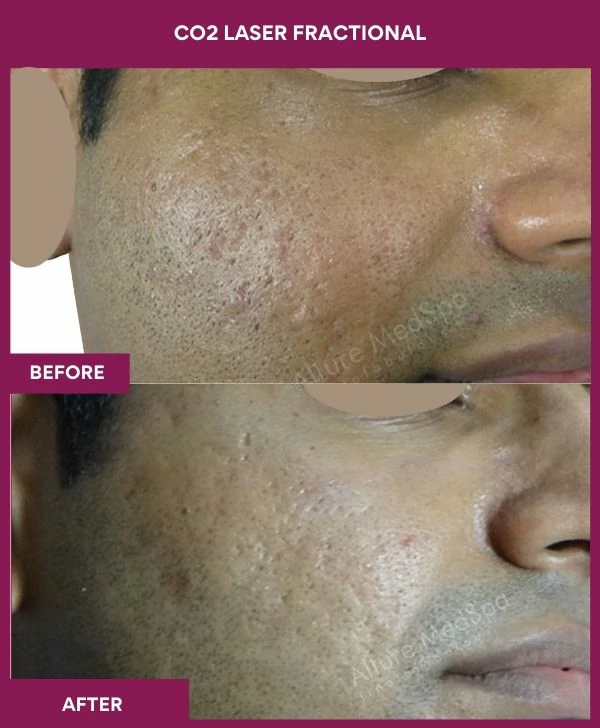
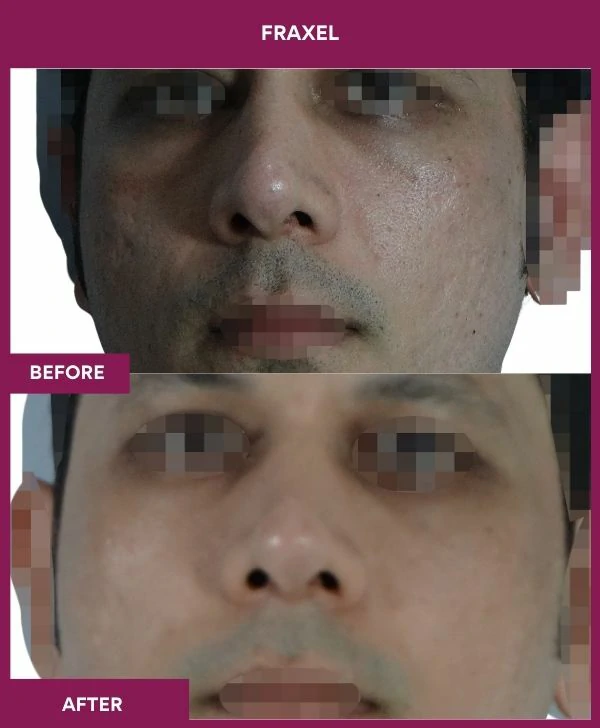
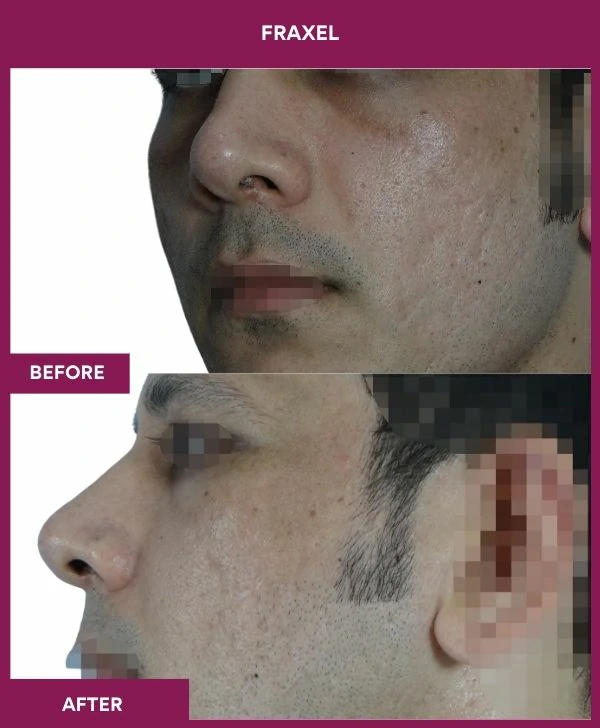
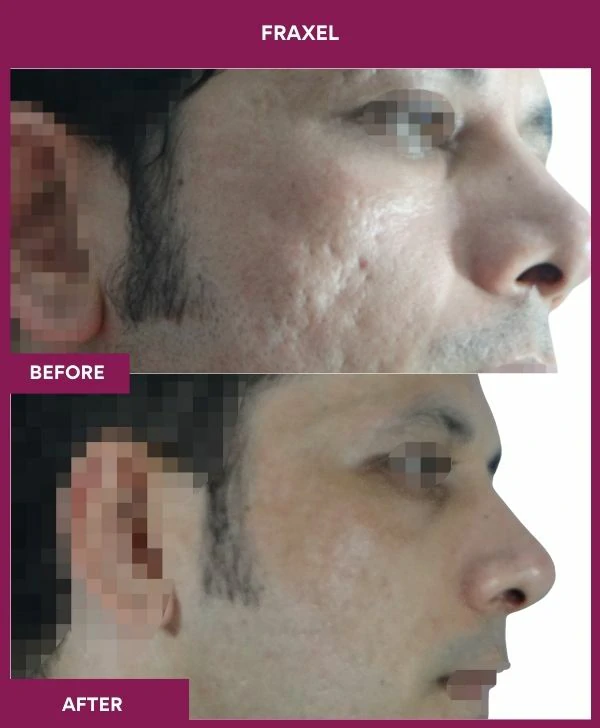
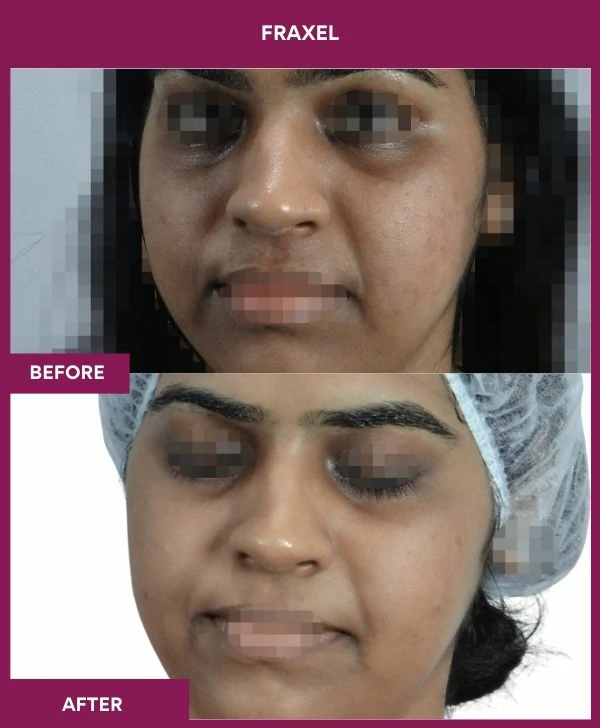
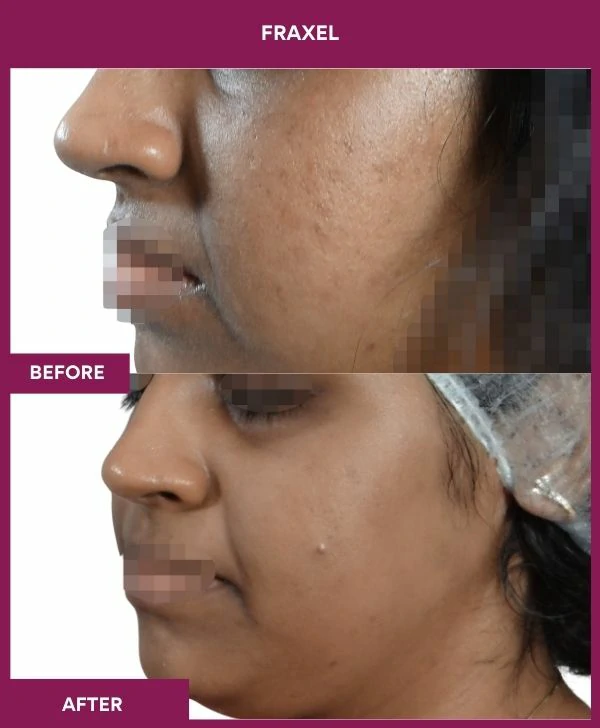
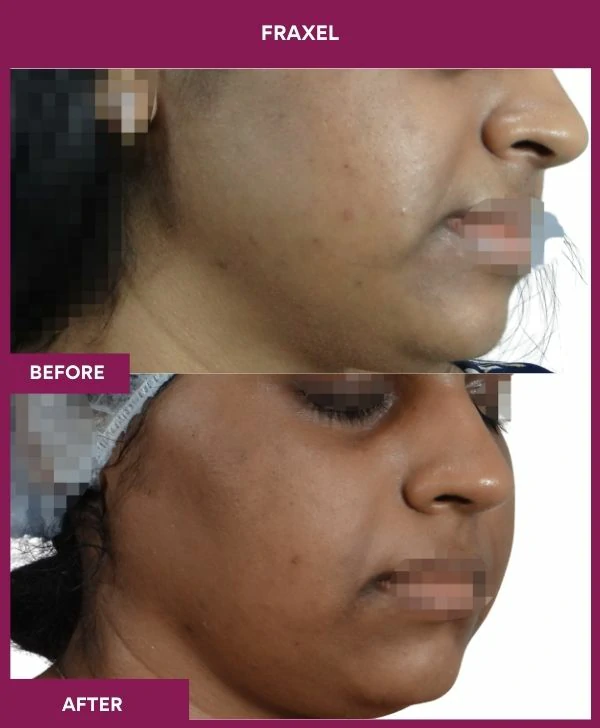
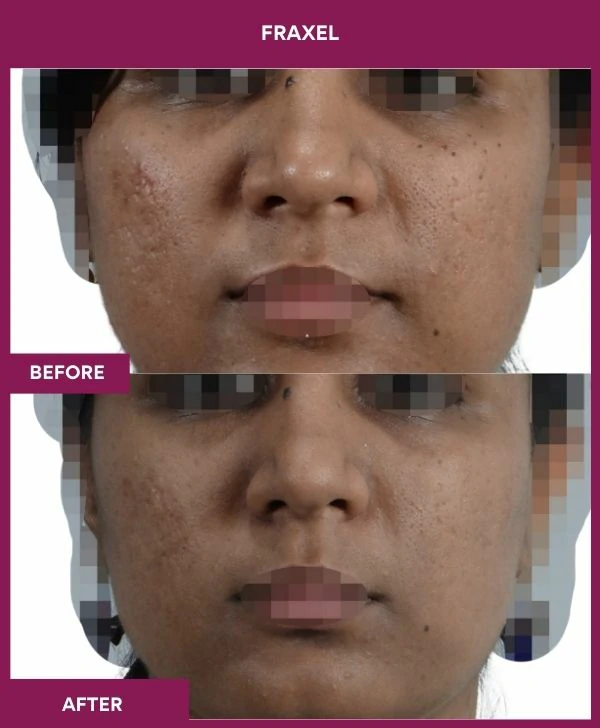
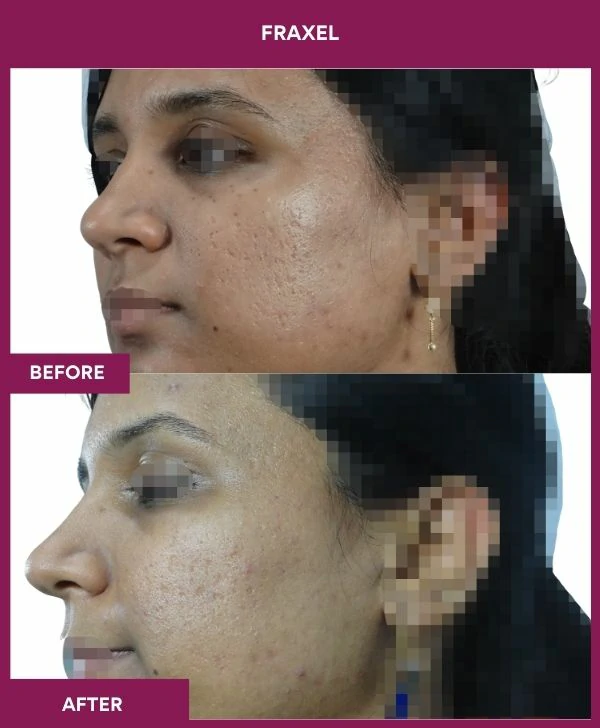
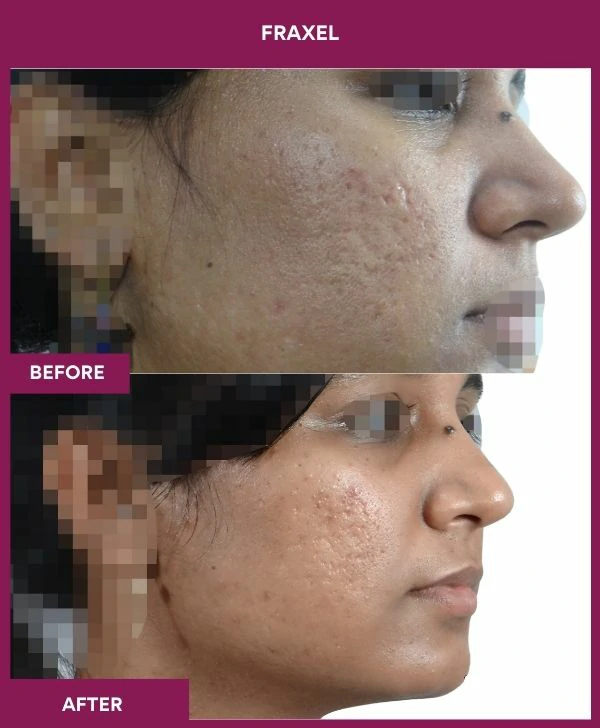
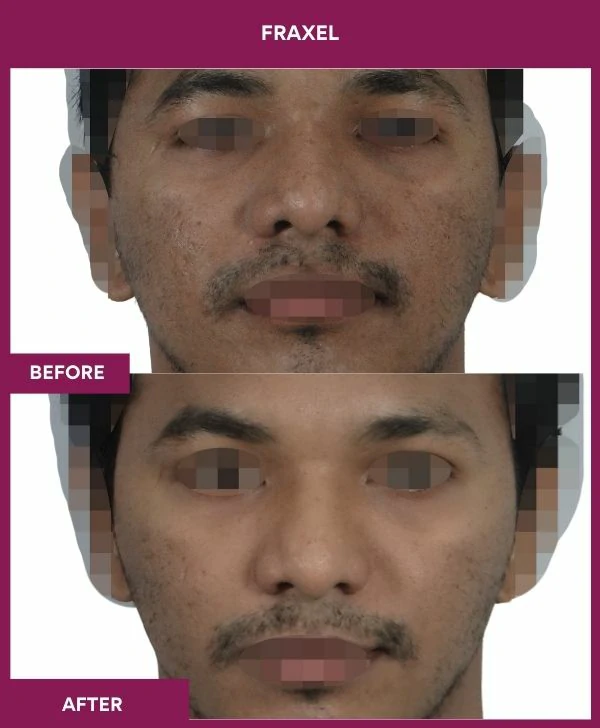
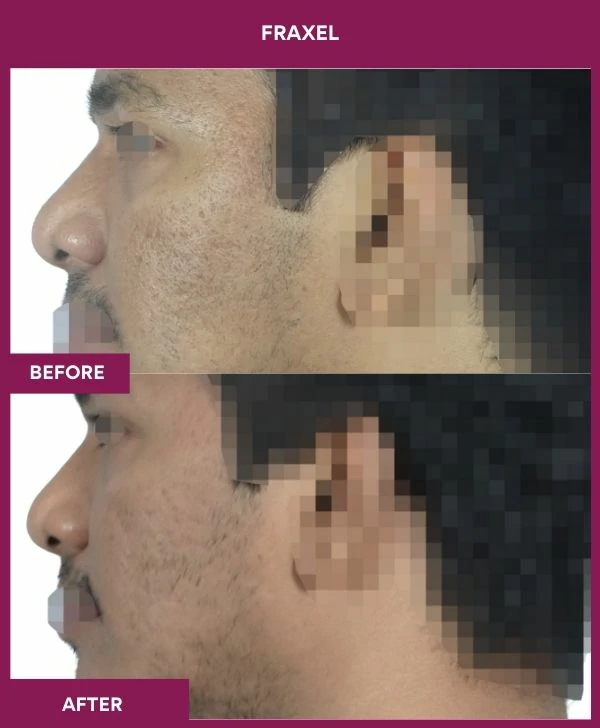
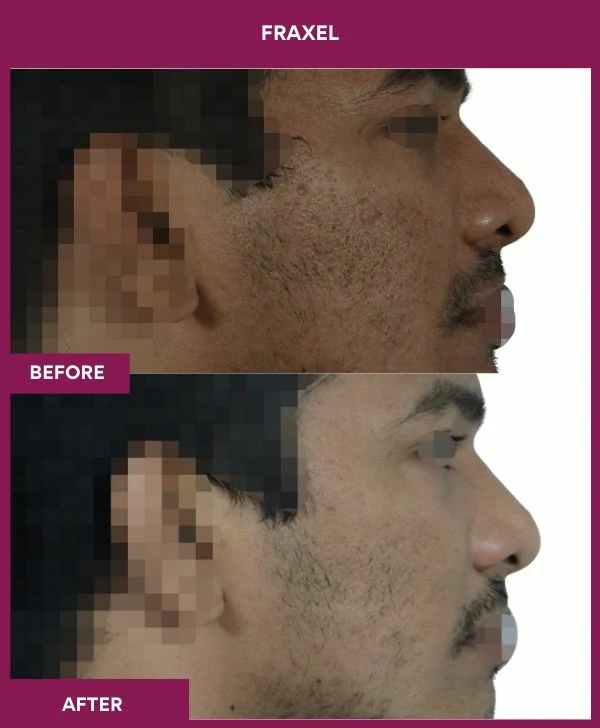
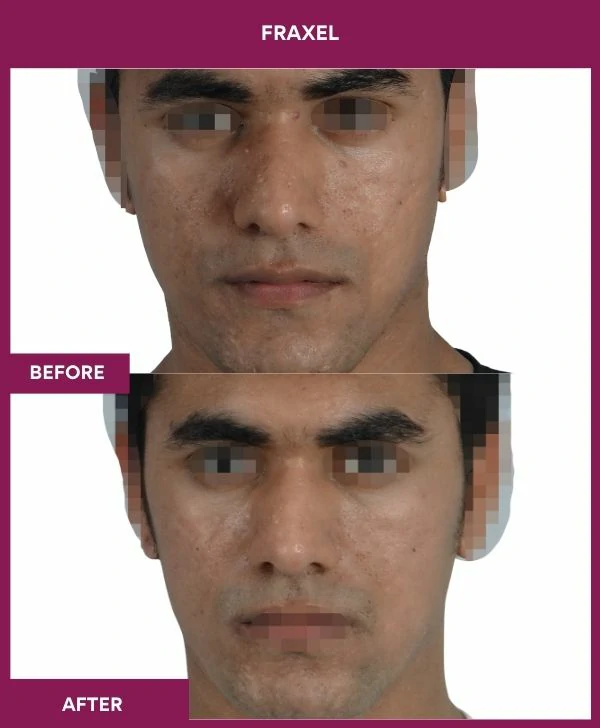
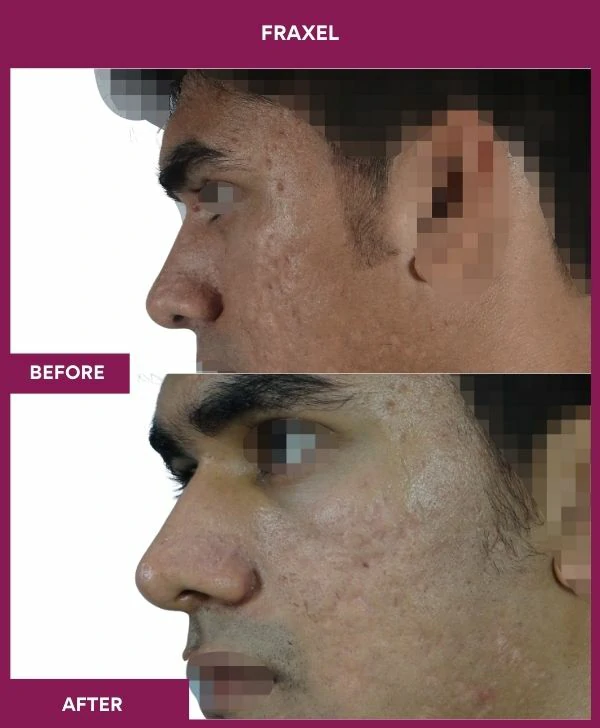
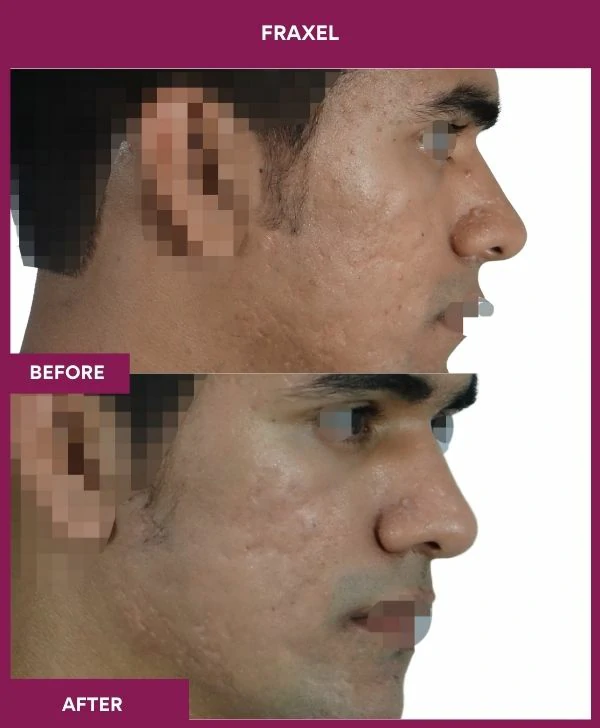
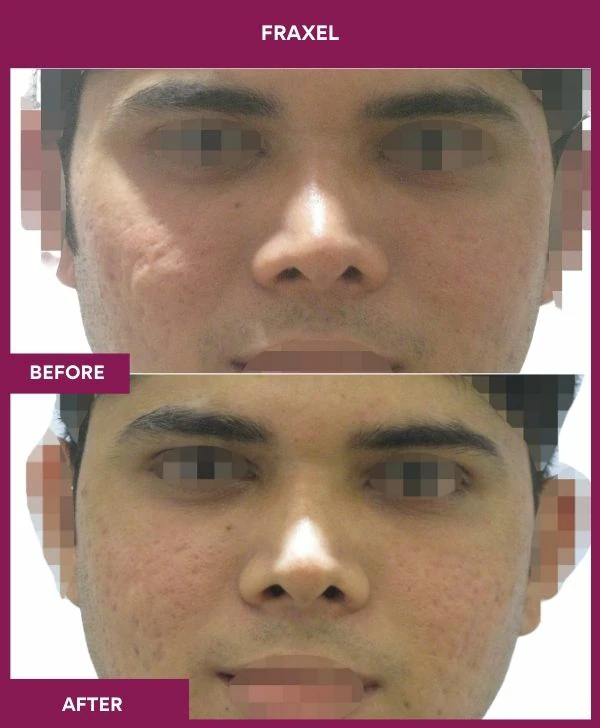
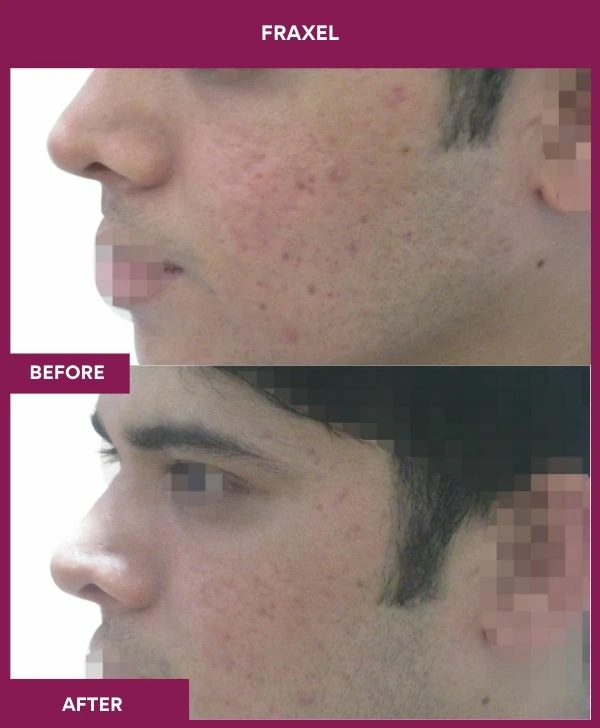
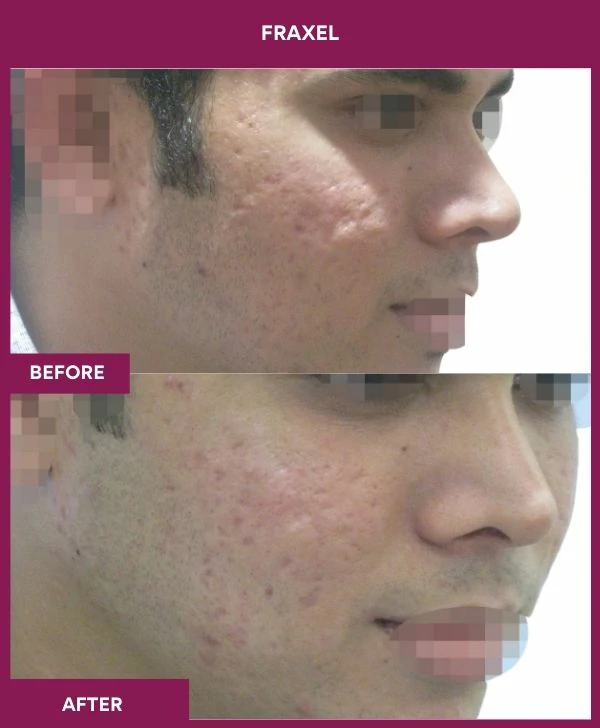
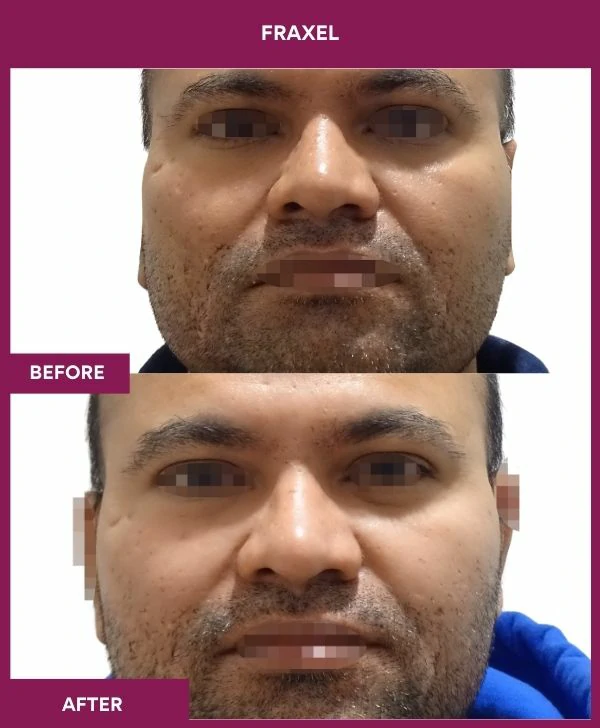
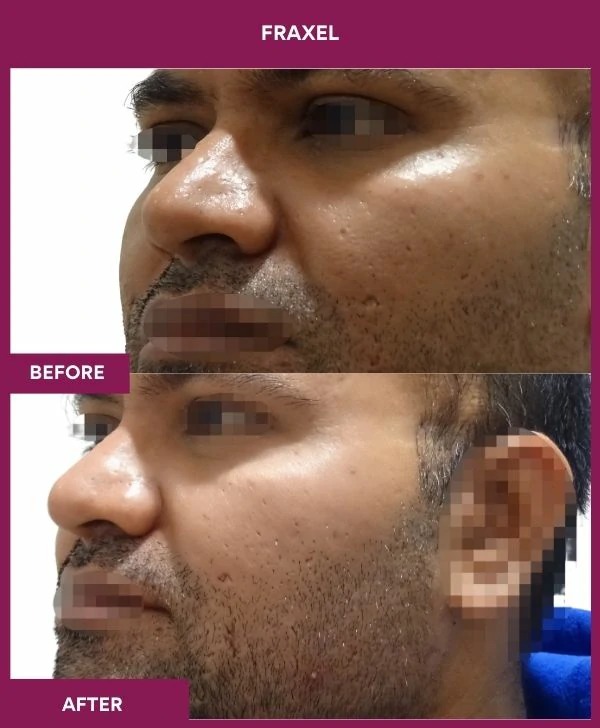
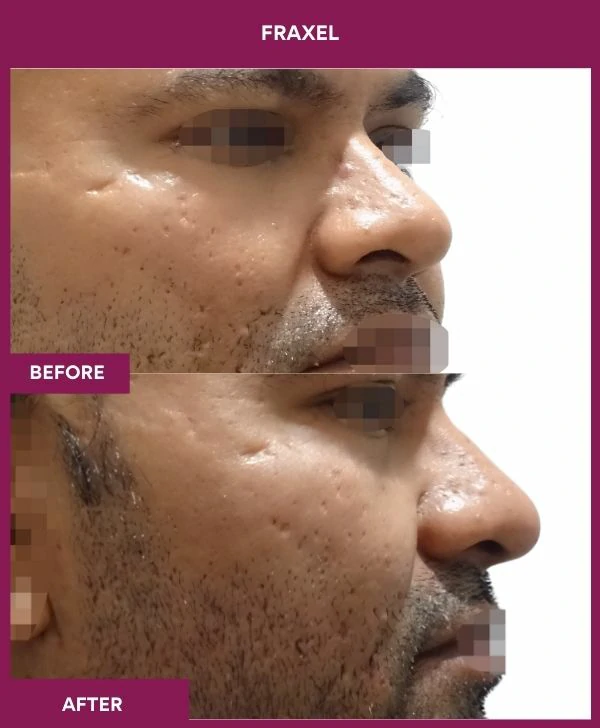
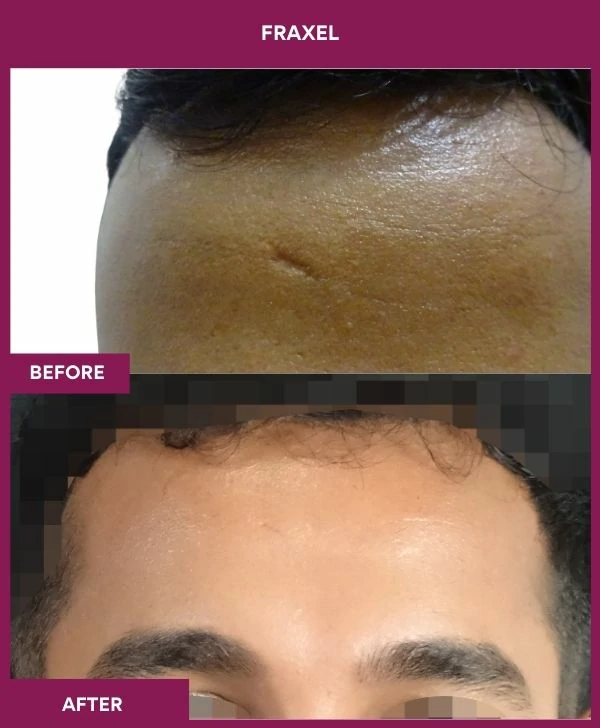
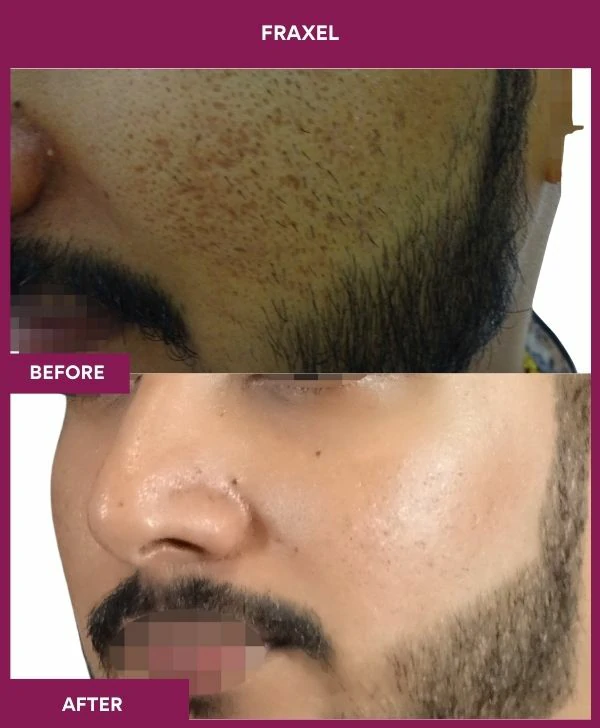
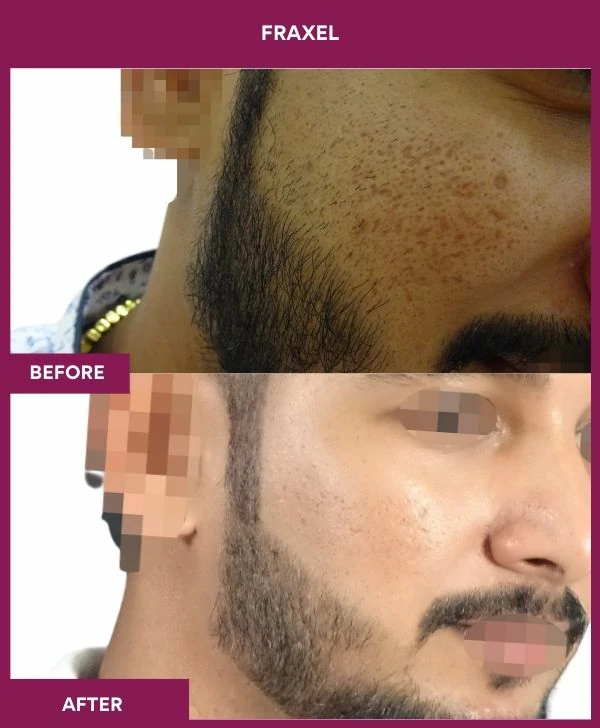
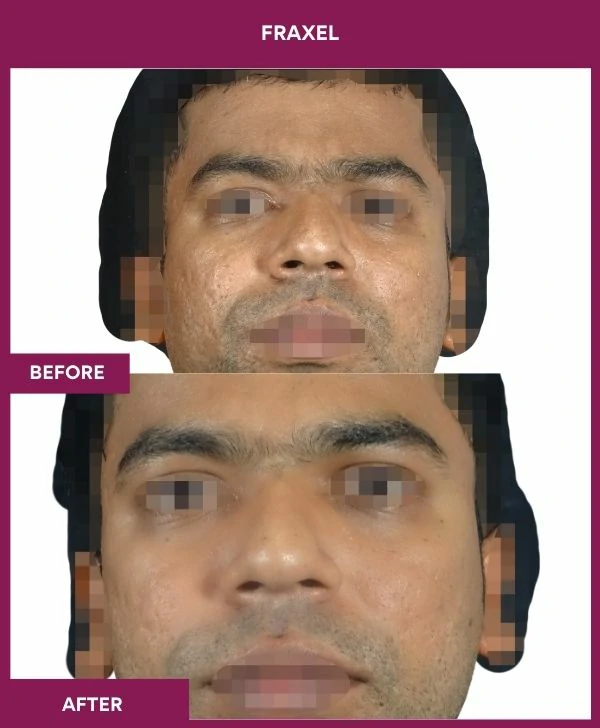
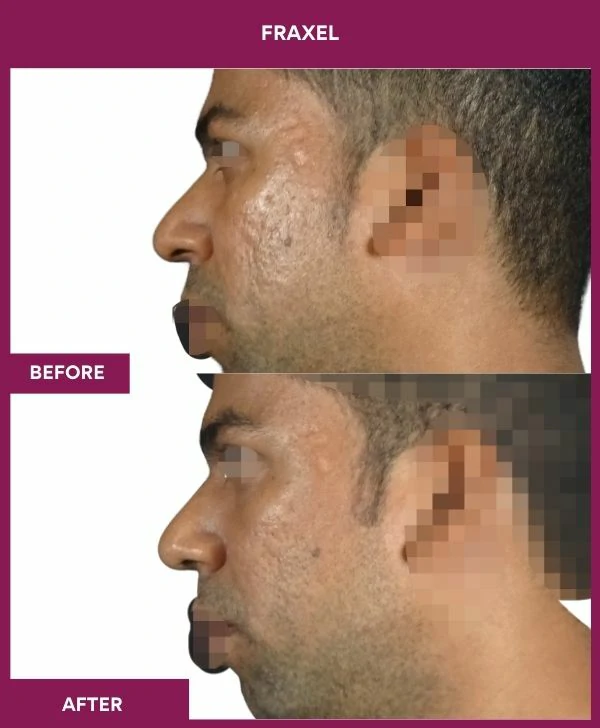
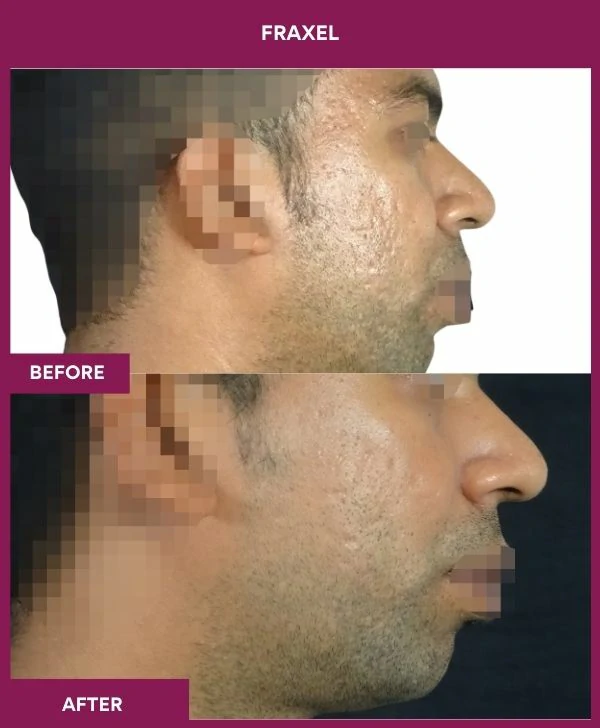
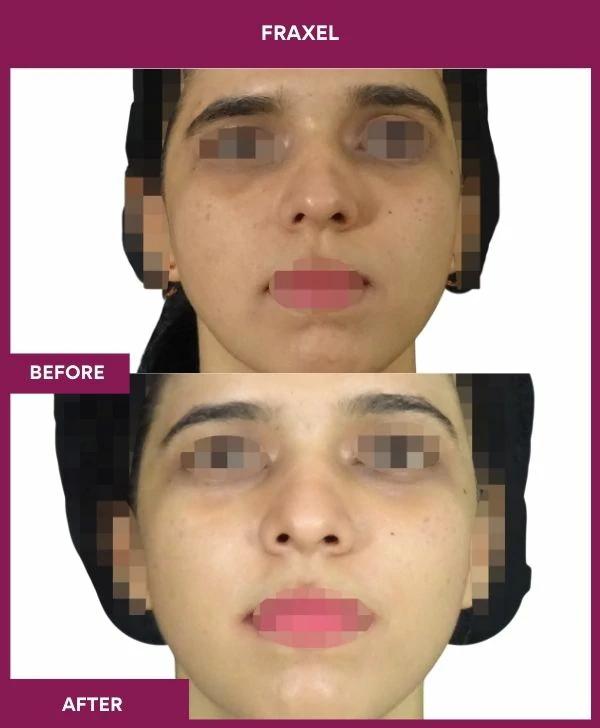
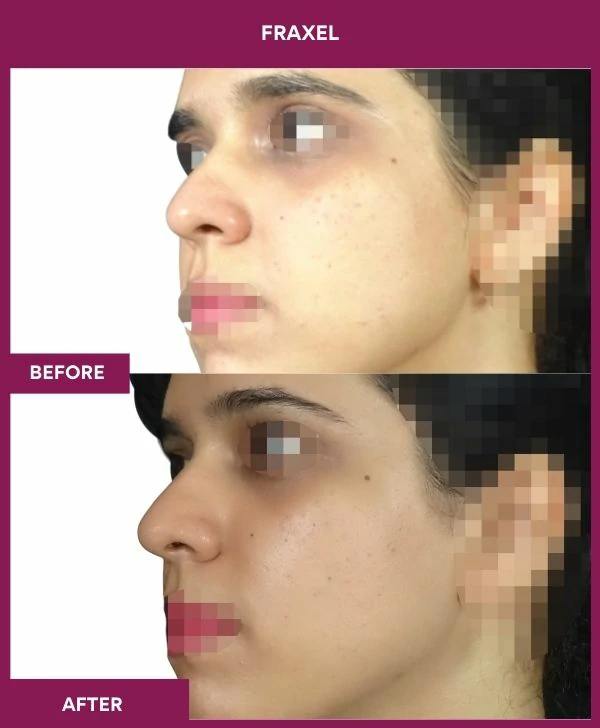
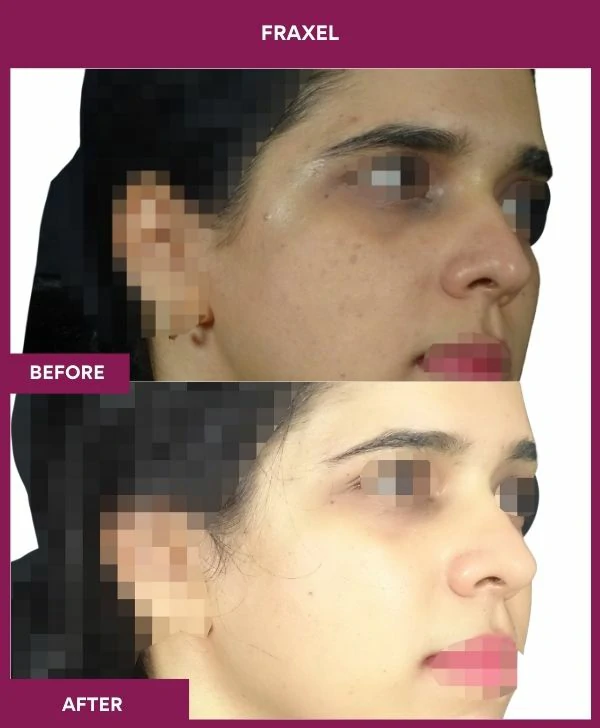
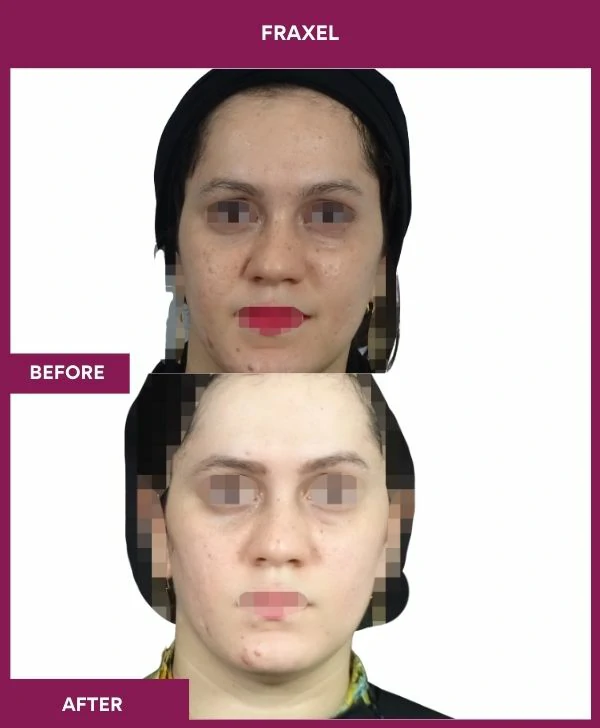
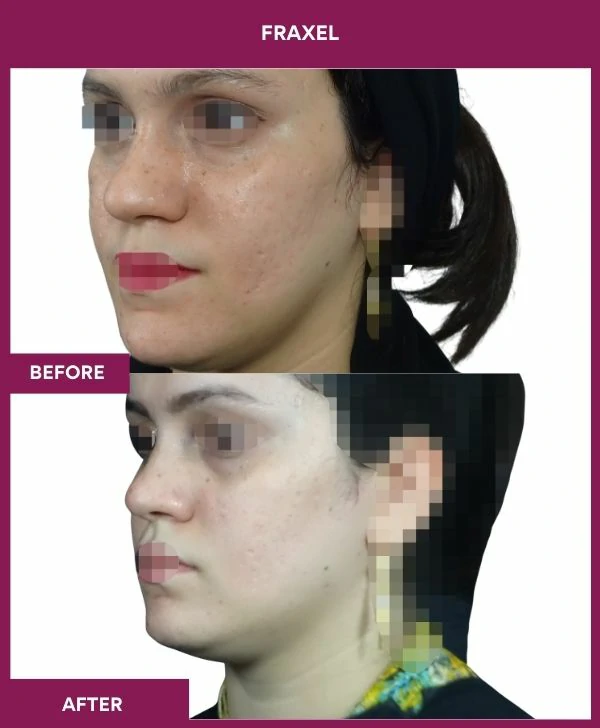
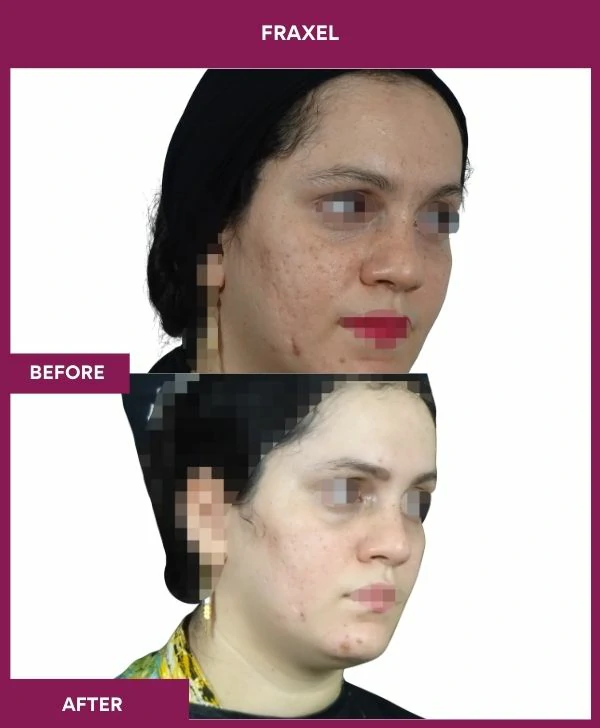
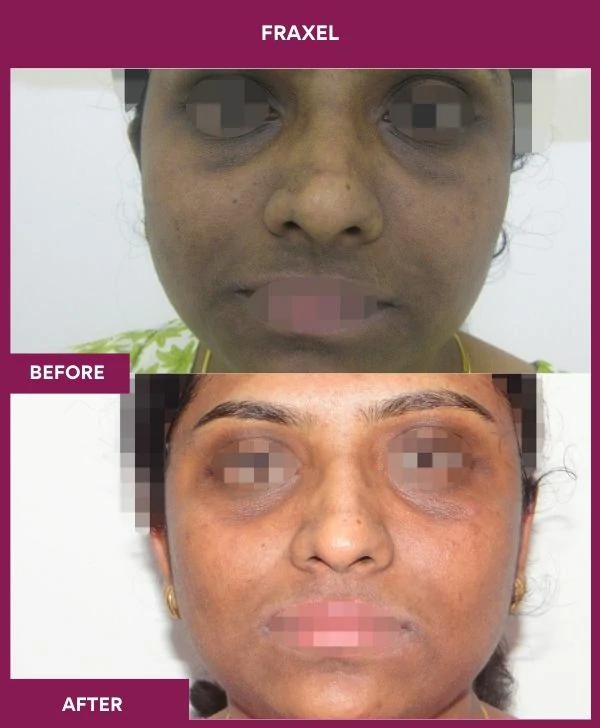
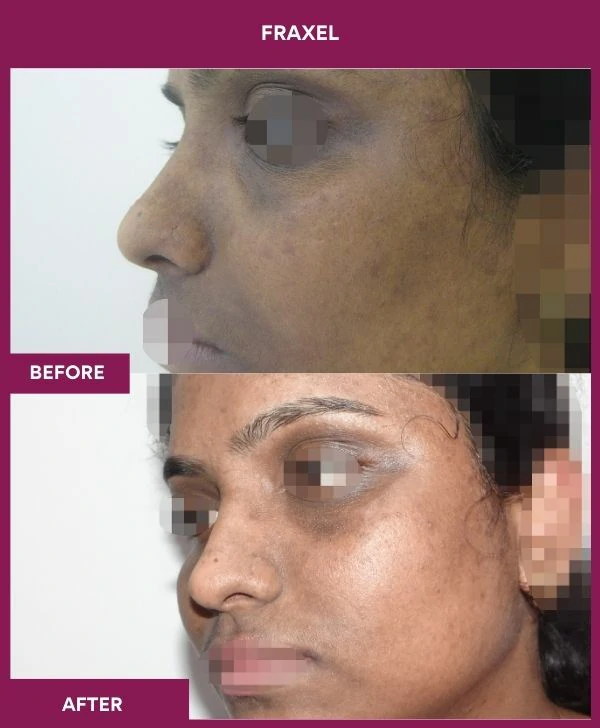
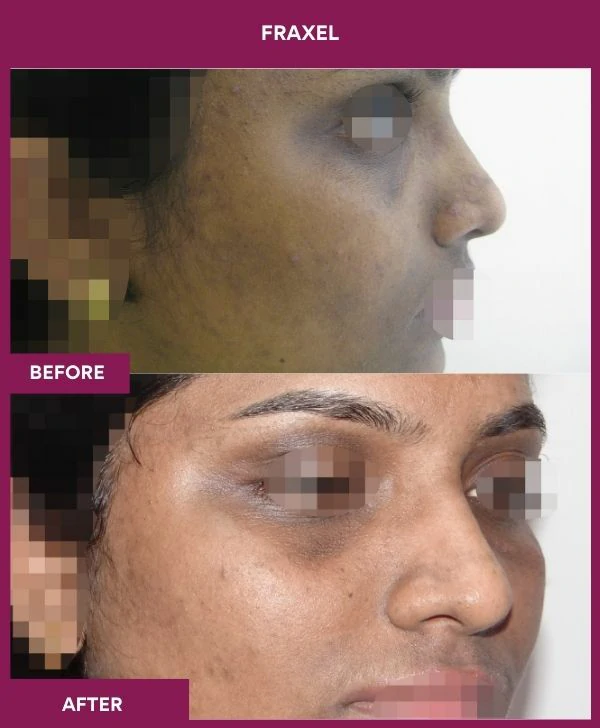
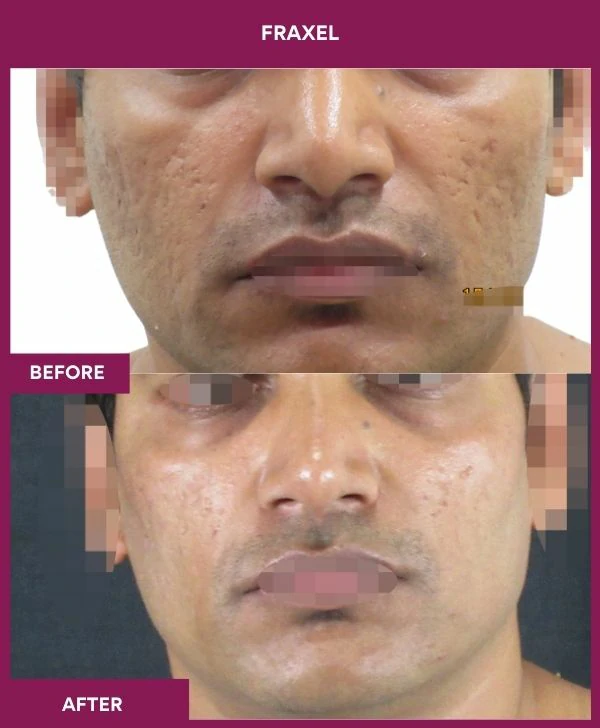
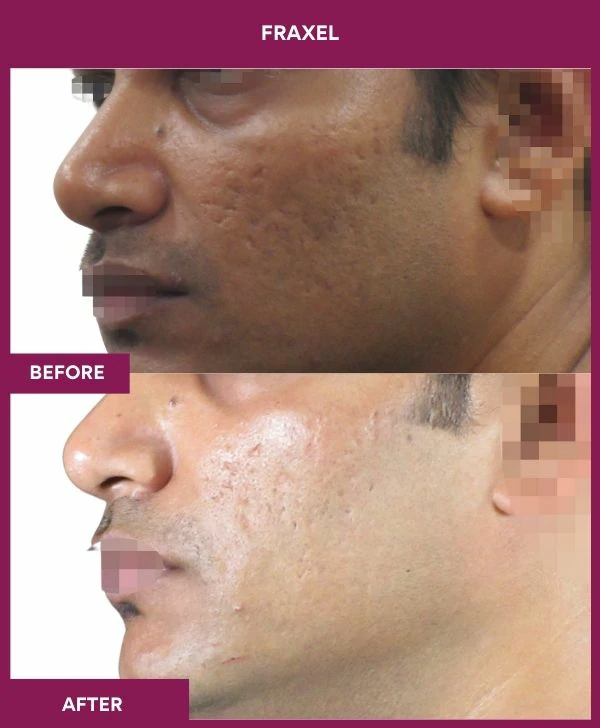
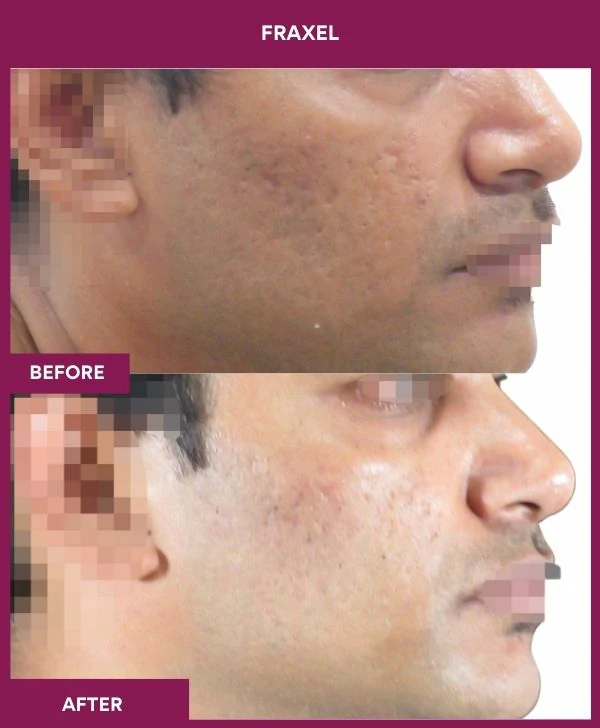
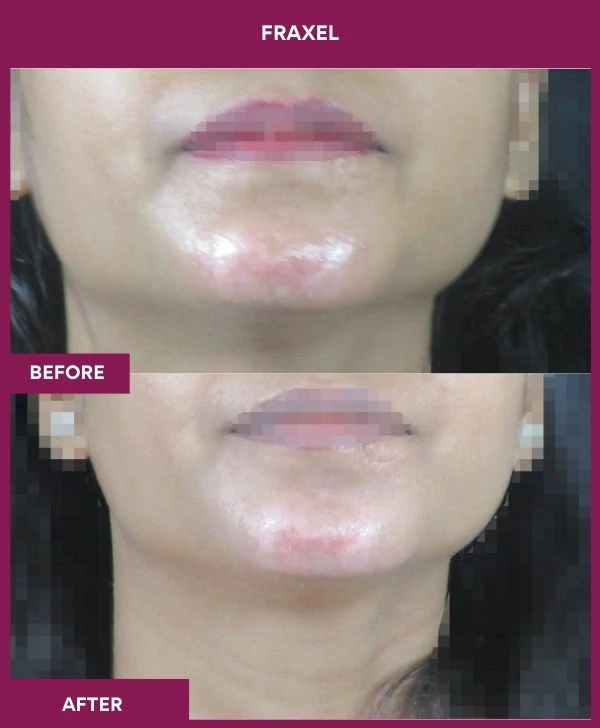
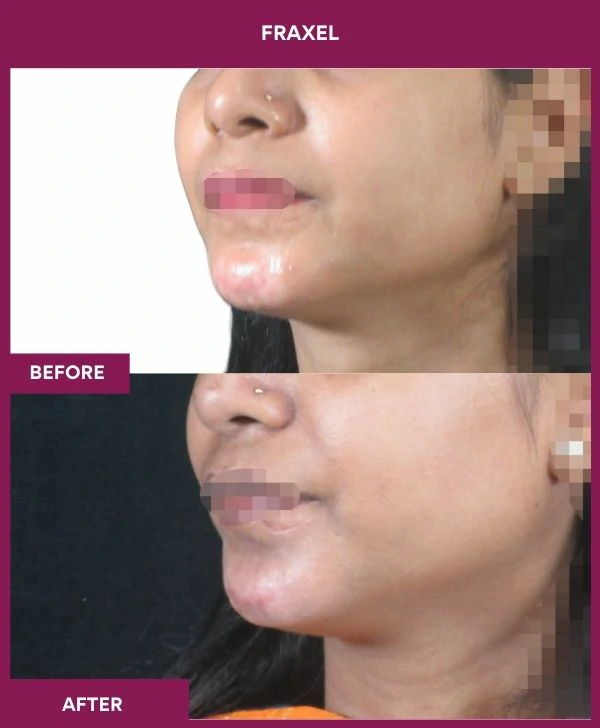
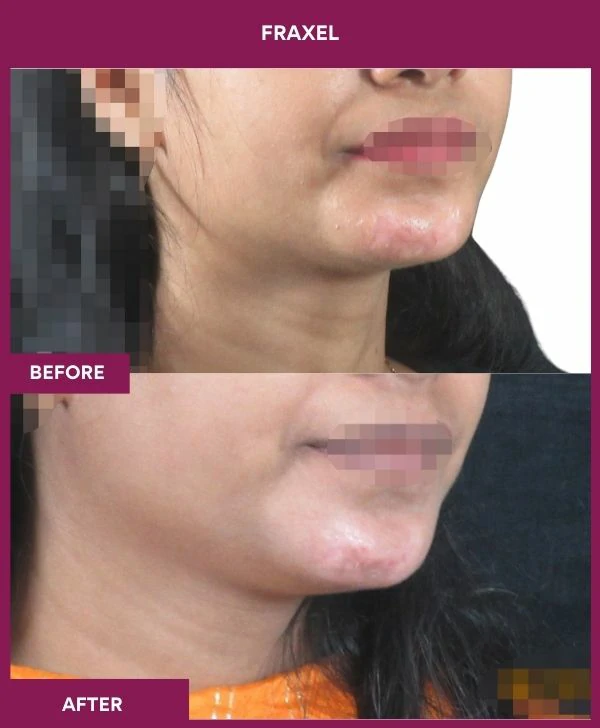
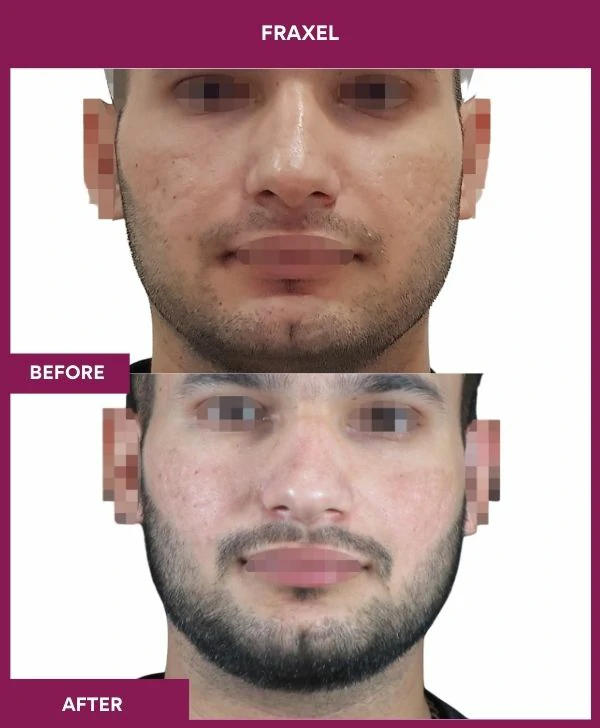
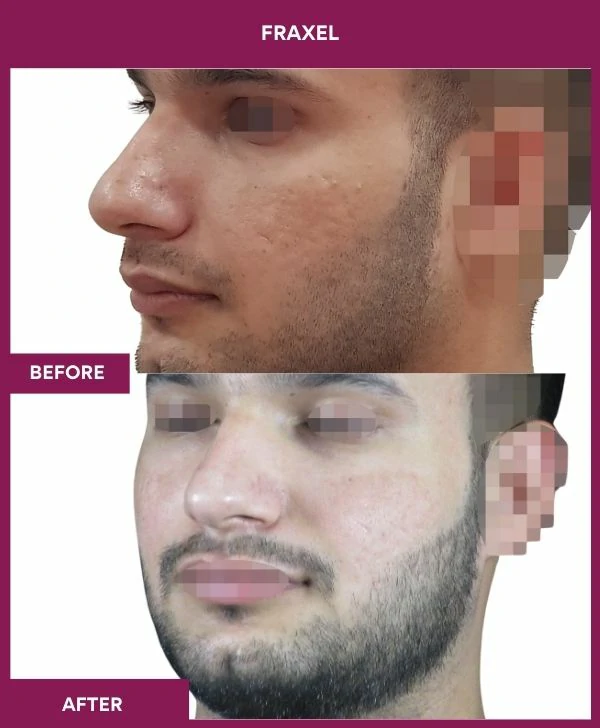
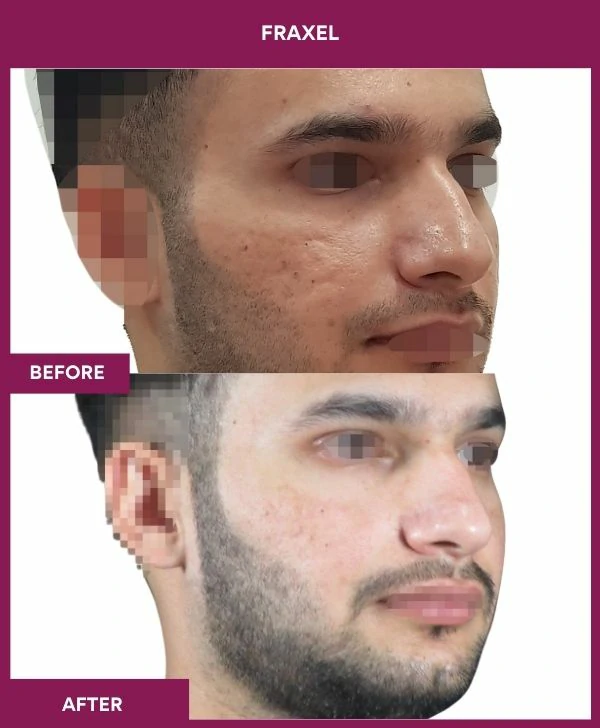
“Want to know the exact cost for you?”
Fractional CO2 Laser Treatment Testimonials: Fine To Fabulous Journeys

Awarded by Google.com
Rating: 4.7
Reviews: 485+

Awarded by WhatClinic.com
Rating: 4.8
Reviews: 119+

Awarded by Realself
Rating: 4.9
Reviews:453+

Awarded by Facebook
Rating: 4.6
Reviews:105+
Dr Milan Doshi and his staff are very professional and committed as the centre is highly equipped with advanced technology. I had closed rhinoplasty 4 months back and I’m seeing the results as to how it becomes successful.
Deepika Shetty
The doctor explained everything clearly and the surgery was smooth. Recovery was faster than I expected and the team was very supportive.
Rahul Mehta
Very natural results and excellent staff. From consultation to follow-up, the experience was outstanding and boosted my confidence.
Sneha Kapoor
“Want to know the exact cost for you?”
Is Fractional CO₂ Laser Right For Me?
(4 quick questions)
Quick Facts About Fractional CO₂ Laser Treatment
SESSION TIME
40–90 minutes
ANESTHESIA
None
SESSIONS
Course of 3–6
RESULTS SHOW
2–4 weeks
DOWNTIME
5–7 days
RESULTS LAST
Maintenance required
SIDE-EFFECT RATE
Under 2–3%
COST
₹3,000 – ₹15,000
What Is The Cost Of Fractional CO₂ Laser Treatment In Mumbai?
The cost of fractional CO₂ laser treatment in Mumbai ranges from ₹3,000 to ₹15,000 per session, depending on the skin concern, the treatment area and depth, and whether add-ons such as PRP are included for faster healing and better results. Most scar plans need 3–6 sessions; wrinkle and sun-damage resurfacing 1–2. Allure Medspa offers internationally accredited technology, affordable, ethical and transparent pricing and consultation support from Dr. Doshi and the dermatology team. EMI options are on our payment process page.
| Area / plan | Per session (₹) | Sessions | Notes |
|---|---|---|---|
| Small area — single scar, perioral or periorbital lines | 3,000 – 6,000 | 1–3 | Spot treatment |
| Cheeks (acne scars) | 6,000 – 10,000 | 3–6 | Most common plan 🩺 |
| Full face — scars or texture | 10,000 – 15,000 | 3–6 | By density and depth 🩺 |
| Full face — deep resurfacing (wrinkles, sun damage) | 15,000 – 25,000 | 1–2 | Nerve blocks; 10–14 days 🩺 |
| Neck / chest / hands | 6,000 – 12,000 | 2–3 | Lower density off the face 🩺 |
| Stretch marks / body scars per area | 5,000 – 10,000 | 3–6 | /stretch-mark-removal/ 🩺 |
| PRP add-on | +4,000 – 8,000 | Per session | Faster healing; better scar response 🩺 |
Disclaimer note: +5% GST · Includes consultation, priming plan, numbing, the session, post-care kit and reviews. Course packages and EMI available.
Get your exact quote & surgery plan
Share your details — our team responds within working hours with cost, EMI options and next steps.
Most Common Question People Ask
Q1. Does the fractional CO₂ laser really work for acne scars?
Ans. Yes — it is one of the best-evidenced treatments for rolling and boxcar scars, giving visible improvement per session that builds over 3–6 sessions as collagen remodels. Ice-pick scars and deep tethered scars usually need subcision, TCA CROSS or surgical revision alongside it.
Q2. How many sessions are needed?
Ans. Usually 3–6 sessions spaced 4–6 weeks apart for scars; 1–2 for wrinkles and sun damage, depending on depth and severity.
Q3. Is it painful?
Ans. Only mildly uncomfortable. Numbing cream is applied 30–45 minutes beforehand; for deep full-face resurfacing, nerve blocks or sedation are added. The skin feels sunburnt for 2–3 days.
Q4. How long is the recovery?
Ans. Redness, swelling and peeling for 5–7 days at standard settings (3–5 for light; 10–14 for deep). Peeling starts around day 2 and lasts 5–7 days; make-up from day 7–10 once peeling stops.
Q5. How much does it cost in Mumbai?
Ans. ₹3,000–₹15,000 per session (+5% GST) depending on the area and depth; a full-face acne-scar course of 3–6 sessions is priced as a package.
Q6. Is it safe for Indian / darker skin?
Ans. Yes with the right protocol — pre-treatment priming, conservative density and energy, strict sun avoidance and a test spot. The main risk is temporary darkening (post-inflammatory hyperpigmentation), which these steps minimise.
Q7. Can the CO₂ laser tighten skin?
Ans. Yes — it stimulates collagen and improves elasticity, giving mild tightening; it is not a lift, and marked laxity needs HIFU, threads or surgery.

Why Choose Dr. Milan Doshi?
Dr. Milan Doshi, MCh, MS — Indian board-certified plastic and cosmetic surgeon with 27+ years, 16,000+ procedures and 600+ fractional CO₂ treatments, trusted by Bollywood personalities and international patients; known for accurate diagnosis, customised planning, ethical practice and transparent communication. Expertise in fractional CO₂, MNRF, chemical peels, microdermabrasion and PRP — and in surgical scar revision, which means a scar that the laser cannot fix is offered the treatment that can. Allure Medspa: world-class laser technology; NABH-accredited facility with the highest safety protocols; tailor-made plans for pigmentation, scars, wrinkles or stretch marks; transparent pricing; international patients welcomed with travel and stay assistance; the full spectrum of skin and body procedures under one roof .
The Complete Guide About Fractional CO₂ Laser Treatment
What Is Fractional CO₂ Laser Treatment?
Fractional CO₂ laser treatment is an advanced form of laser resurfacing that uses a precise carbon dioxide laser to remove damaged skin layers and stimulate collagen regeneration. The beam is split into thousands of microscopic columns (“fractions”) that vaporise damaged tissue while the untouched skin between them speeds healing. It effectively targets deep acne scars, wrinkles, fine lines and pigmentation irregularities, revealing smoother, firmer and more youthful-looking skin — a non-surgical treatment with a short, predictable downtime and long-lasting rejuvenation.
| Fractional CO₂ (ablative) | Non-ablative (MNRF, photo-facial) |
|---|---|
| Removes micro-columns of skin; strongest collagen response | Heats beneath the surface; skin intact |
| 5–7 days of peeling; results visible after 1 session | Little downtime; 3–5 sessions for visible change |
| Pitted scars, etched lines, sun damage | Mild texture, pores, early lines, laxity → /microneedling-radiofrequency-treatment/ |
Also called: CO₂ laser resurfacing, carbon dioxide laser, fractional resurfacing, ablative laser skin resurfacing, laser peeling treatment.
Rediscover Radiant, Youthful Skin With Fractional CO₂ Laser Treatment
- Do acne scars, wrinkles, or dull skin make you feel less confident about your appearance?
- Have years of sun exposure, pollution, or stress left your skin looking tired and uneven?
- Do you find that no matter how many skincare products you try, the results never last?
Fractional CO₂ laser treatment is a breakthrough in skin rejuvenation technology that penetrates deep into the skin to repair, renew and restore. By stimulating collagen production and resurfacing damaged layers, this advanced treatment helps fade acne scars, smooth fine lines, reduce pigmentation and improve skin texture — all while enhancing your natural glow. It is safe, minimally invasive and clinically proven to deliver dramatic, long-lasting results.
Global & Indian statistics (ISAPS 2024): Globally, over 957,435 laser skin resurfacing procedures were performed, marking a 19.3% increase from the previous year · India ranked among the top 10 countries globally, with a significant rise in demand for fractional CO₂ laser treatments — especially for acne-scar and anti-ageing concerns.
Sources: ISAPS Global Survey 2024
What Are The Benefits Of Fractional CO₂ Laser Treatment?
Fractional CO₂ laser treatment can improve acne scars, wrinkles, uneven texture, sun damage, stretch marks and selected skin lesions by resurfacing controlled microscopic areas of skin and stimulating new collagen. Treatment depth and energy can be adjusted for different concerns and areas, allowing precise resurfacing while leaving surrounding skin to support healing. Results continue to improve over several months as collagen remodels, and scar and texture improvements can be long-lasting.
- The strongest non-surgical tool for scars — visible change after one session; cumulative over a course.
- Treats pigmented and non-pigmented lesions — it is tissue-selective rather than pigment-selective.
- High precision — depth, density and energy are set per zone.
- Cost-effective — low consumable cost compared with device-based alternatives.
- Less invasive than dermabrasion or deep peels — with a shorter, more predictable recovery.
- Long-lasting — collagen keeps building for 6 months; scar results last years.
- Versatile — face, neck, chest, hands; scars, lines, sun damage, stretch marks, some raised lesions.
Who Is A Good Candidate — And Who Should Avoid It?
If you are seeking non-surgical acne-scar improvement or wrinkle reduction, this treatment could be for you: adults with mild to moderate scarring or ageing; no open wounds or skin infections; not on isotretinoin or photosensitisers; willing to follow aftercare and to protect from sun for three months.
Who should avoid or defer
- Active acne breakouts, open wounds or facial infections — treat first.
- Oral isotretinoin in the last 6 months — healing and scarring risk.
- Poor wound healing or keloid history — test spot at most.
- Uncontrolled diabetes, compromised immunity, radiation / chemotherapy — defer.
- Pregnancy, recent tan, cold-sore history without prophylaxis — defer or prepare.
Limitations
- Ice-pick scars and tethered scars need subcision, TCA CROSS or excision as well; the laser alone will not release them → /scar-revision-surgery/
- It resurfaces; it does not lift sagging skin or replace lost volume.
- Darker skin tones carry a real PIH risk — priming and conservative settings are not optional.
- A week of visible recovery per session is unavoidable at scar-treating settings.
- Results are long-lasting but not permanent against sun and ageing.
Why Should You Consult Before Fractional CO₂ Laser — And How Do You Prepare?
A consultation accurately diagnoses your skin concern, evaluates whether fractional CO₂ is right for you, creates a custom plan based on skin type, condition and history, and ensures the procedure is done safely and ethically — avoiding risk if you have pre-existing conditions or past treatments. Share past skin procedures and medications, active infections, allergies or sensitivities, and ask about expected outcomes, downtime and aftercare.
How to prepare (start 2 weeks before)
- Avoid sun exposure for 2 weeks; SPF daily.
- Stop retinol, exfoliants and acids.
- Stop aspirin, ibuprofen and vitamin E (with your physician’s consent) — bleeding risk.
- Stop smoking at least 2 weeks before and after — healing.
- Priming cream (a pigment-suppressing regimen) for darker skin types 🩺.
- Cold-sore prophylaxis if you have ever had one.
- Plan the week: no events, no travel, no sun.
Online consultation
Photos in daylight and side-light and a video call settle scar type, depth and candidacy: /online-consultations/
Ablative Versus Non-Ablative — And How Does Fractional CO₂ Work?
Ablative lasers (CO₂, Er:YAG) vaporise tissue; non-ablative lasers and devices (IPL, MNRF, some diode lasers) heat beneath an intact surface. Fractional delivery splits the ablative beam into a grid of micro-columns so that only 5–30% of the surface is treated per pass — the intact skin between columns re-epithelialises the wounds in days rather than weeks.
| Parameter | What it controls | Set for |
|---|---|---|
| Depth (energy per column) | How deep each micro-column reaches — up to the deep dermis | Scar depth; wrinkle depth |
| Density (coverage %) | How close the columns are — 5–30% of the surface | Higher for scars; lower for darker skin and off-face areas |
| Passes and pattern | Number and geometry of scans | Uniform coverage; feathering at edges |
| Pulse mode | Superficial ablation vs deep coagulation | Texture vs collagen remodelling |
- Microthermal zones: each column is surrounded by a zone of controlled heat that contracts existing collagen and triggers new collagen over 3–6 months.
- Selective, not pigment-dependent: CO₂ is absorbed by water in tissue, so it treats pigmented and non-pigmented lesions alike.
- Combination: PRP applied after the pass speeds healing and improves scar response; subcision on the same day releases tethered scars.
Is deeper always better?
No. On Indian skin, an aggressive setting trades a faster scar result for a real risk of months of darkening. The plan that wins is moderate depth, conservative density, more sessions, and sunscreen.
Fractional CO₂ Versus Er:YAG, MNRF, Photo-Facial And Chemical Peels — Which Concern Needs Which?
Fractional CO₂ laser is mainly used for deeper resurfacing concerns such as rolling or boxcar acne scars, etched lines, sun damage and rough texture, while other treatments work better for different problems. Er offers more superficial ablative resurfacing, MNRF targets scars, pores and mild laxity with less surface injury, IPL is better suited to selected pigment and redness, and chemical peels or TCA CROSS may be chosen for pigmentation or ice-pick scars. Treatment is selected according to scar type, pigment depth, skin tone and acceptable downtime.
| Option | How it differs | Best for | Full guide |
|---|---|---|---|
| Fractional CO₂ | Ablative; deepest collagen response; 5–7 days downtime | Rolling / boxcar scars, etched lines, sun damage, texture | This page |
| Er:YAG (2940 nm) | Ablative but less heat; finer control; less PIH | Superficial texture, fine lines, lighter skin | Same page (if available 🩺) |
| MNRF | Radiofrequency via microneedles; non-ablative | Mild scars, pores, early lines, laxity; 2–3 days downtime | /microneedling-radiofrequency-treatment/ |
| IPL photo-facial | Filtered light; pigment and redness | Sun spots, freckles, redness; no texture change | /photo-facial-treatment/ |
| Chemical peels / TCA CROSS | Acid exfoliation; CROSS for ice-pick scars | Pigmentation, texture; ice-pick scars | /skin-peels/ |
| Subcision / scar revision surgery | Releases tethers; excises deep scars | Tethered, deep or raised scars | /scar-revision-surgery/ |
| Concern | First choice | Add or alternative |
|---|---|---|
| Rolling / boxcar acne scars | Fractional CO₂ × 3–6 | Subcision; PRP; MNRF between sessions |
| Ice-pick scars | TCA CROSS | CO₂ for surrounding texture |
| Etched perioral / periorbital lines | Fractional CO₂ × 1–2 | Anti-wrinkle injections → /anti-aging-injection/ |
| Sun damage, rough texture | Fractional CO₂ × 1–2 | Photo-facial for spots |
| Stretch marks | Fractional CO₂ × 3–6 | MNRF → /stretch-mark-removal/ |
| Pigmentation alone | Pigmentation plan, not CO₂ | /pigmentation-treatment/ |
How Is Fractional CO₂ Laser Treatment Done? (Step By Step)
Fractional CO₂ laser treatment begins with skin assessment, scar or wrinkle mapping and preparation to reduce pigmentation and healing risks. After numbing and cleansing, the laser creates controlled microscopic columns of resurfacing injury at customised depths and densities, leaving surrounding skin to support healing. These microthermal zones stimulate collagen remodelling over the following months, and treatments such as PRP or subcision may be added when indicated.
| Step | What happens | Why it matters |
|---|---|---|
| 1 | Consultation: scar / line mapping, skin type, history; photographs; consent; priming plan | Right candidate; PIH risk managed |
| 2 | Pre-care from 2 weeks: no sun, no retinol / acids, no blood thinners, no smoking; cold-sore prophylaxis | Safe healing |
| 3 | Topical anaesthetic cream 30–45 minutes (nerve blocks / sedation for deep full-face) | Comfort |
| 4 | Cleansing to remove numbing cream, oil and bacteria; eye shields | Clean field; laser safety |
| 5 | Settings chosen per zone — depth, density, passes | Scar depth vs skin tone |
| 6 | Fractional CO₂ applied in a scanning pattern; micro-columns of damaged skin vaporised | Resurfacing |
| 7 | Microthermal zones trigger collagen and natural regeneration | Remodelling over months |
| 8 | Optional: PRP applied to the treated skin; subcision for tethered scars | Faster healing; better scar release |
| 9 | Cooling; healing ointment; protective dressing or wrap as needed; post-care kit | Protects healing skin |
| 10 | Home the same day; review at day 3 and day 7; next session in 4–6 weeks | Course tracking |
When Will You See Results — And How Long Do They Last?
Results can begin appearing within days to weeks depending on the concern: pigmentation and texture often improve after one session; acne scars and fine lines show at 2–3 weeks and keep improving for up to 6 months; severe concerns need multiple sessions.
| Time | What you see |
|---|---|
| Days 1–7 | Redness, swelling, peeling — the resurfacing phase |
| Weeks 2–4 | Smoother, brighter skin; early scar softening |
| Months 1–3 | Collagen builds; scars shallower; lines softer; next sessions |
| Months 3–6 | Peak result after the course |
| Years | Scar results are lasting; wrinkle and sun-damage results last with sunscreen; touch-ups over time |
What Is The Aftercare After Fractional CO₂ Laser?
After fractional CO₂ laser, aftercare focuses on keeping the treated skin clean, moist and protected while the surface heals. Cooling and healing ointment are usually used during the first 1–2 days, followed by gentle cleansing, moisturising and strict sun protection as the skin peels and recovers. Avoid picking, heat, strenuous exercise, swimming, make-up and active skincare until the skin has healed and your doctor advises they can be resumed.
First 24–48 hours
- Ice pack or cold compress to reduce swelling; sleep elevated.
- Healing ointment as advised to prevent scabbing; keep the skin moist, not dry.
Daily until healed (7–10 days)
- Clean the treated area 2–5 times a day with saline or the dilute vinegar solution recommended, then reapply ointment.
- Apply new, sterile dressings daily if dressings were used.
- Gentle cleanser and moisturiser twice daily; no harsh products.
- Minimise or skip make-up until peeling stops (7–10 days).
- SPF 50+ every day from day 5–7 — even indoors and on cloudy days — for at least 3 months.
| Avoid | For how long |
|---|---|
| Sun exposure | 3 months (strict); SPF 50+ always |
| Steam rooms, saunas, hot showers on the face | 2 weeks |
| Strenuous workouts, swimming pools, gyms (germ-prone) | 1–2 weeks |
| Make-up and harsh skincare (retinoids, acids, scrubs) | 7–10 days; actives 3–4 weeks |
| Picking or peeling flaking skin | Always |
| Smoking | 2 weeks after (ideally for good) |
What Are The Side Effects Of Fractional CO₂ Laser Treatment?
Because it heats and removes micro-columns of skin, temporary reactions are expected; serious ones are rare with correct settings and aftercare.
Expected and temporary
- Redness and swelling; scabbing or peeling during healing; a sunburn-like sting for 2–3 days; dryness and flaking as skin renews.
Uncommon
- Post-inflammatory hyperpigmentation (darkening) — more likely on darker skin, after sun, or with aggressive settings; usually fades over weeks to months with treatment. Prolonged redness beyond 2 weeks. Acne or milia flare from ointments.
Rare
- Infection (bacterial, or herpes reactivation without prophylaxis); hypopigmentation (lightening); scarring with excessive energy or poor aftercare.
| Risk | How it is minimised at Allure Medspa |
|---|---|
| Hyperpigmentation | Priming for darker skin; conservative density; no tan; strict SPF; early treatment if it appears |
| Infection / cold sores | Antiviral prophylaxis; clean technique; post-care kit; reviews at day 3 and 7 |
| Prolonged redness | Appropriate energy; no over-treatment; soothing care |
| Scarring | Correct settings; no treatment on isotretinoin or keloid-prone skin without a test spot |
What Is The Recovery — Day By Day?
Fractional CO₂ laser treatment typically requires 3–10 days of visible recovery depending on the depth and size of the treated area: mild settings 3–5 days; standard scar settings 5–7; deep full-face resurfacing up to 2–3 weeks with scabbing, swelling and extended redness. Peeling and flaking are normal signs of regeneration.
| Phase | What happens | Your part |
|---|---|---|
| Day 0 | Sunburn-like heat and redness; swelling begins | Ice; ointment; sleep elevated |
| Days 1–2 | Swelling peaks; skin bronzes; pin-point crusts | Cleanse 2–5 × daily; ointment; no picking |
| Days 2–5 | Peeling and flaking | Moisturise; no make-up; stay indoors / shaded |
| Days 5–7 | Fresh pink skin appears | Start SPF 50+; gentle skincare |
| Days 7–10 | Redness fading; make-up allowed | Back to normal routine |
| Weeks 2–6 | Residual pinkness fades; texture improves | Strict sun avoidance; next session at 4–6 weeks |
| Months 3–6 | Peak collagen result | Photographs; maintenance plan |
🩺 Dr. Doshi’s Note — “Almost every complication I have seen after a CO₂ laser had the same cause: sun in the first month. The laser is safe on Indian skin when the settings respect it — but no setting can protect a patient who goes to the beach on day ten. Plan the week off, and plan the sunscreen for three months.”
Medical Codes for Fractional CO₂ Laser Treatment
Codes below are for administrative and documentation reference. All codes must be verified against the current CPT and ICD-10 code sets before publication and before any use in documentation.
| Code system | Code | Description |
|---|---|---|
| ICD-10 | L90.5 | Scar conditions and fibrosis of skin (acne scars, post-surgical scars) |
| ICD-10 | L70.9 / L70.0 | Acne, unspecified / acne vulgaris (scarring sequelae) |
| ICD-10 | L57.8 | Other skin changes due to chronic exposure to non-ionising radiation (photo-ageing) — added |
| ICD-10 | L90.6 | Striae atrophicae (stretch marks) — added |
| ICD-10 | R23.4 | Changes in skin texture (wrinkles) |
| ICD-10 | Z41.1 | Encounter for cosmetic procedure |
| CPT | 17999 | Unlisted procedure, skin (fractional CO₂ resurfacing — most used) |
| CPT | 96999 | Unlisted dermatological service or procedure |
| CPT | 15780–15783 | Dermabrasion, total face / segmental / regional / superficial — reference for medically necessary resurfacing |
| CPT | 17110 / 17111 | Destruction of benign lesions (if raised lesions treated) |
(FAQs) Frequently Asked Question About Fractional CO₂ Laser Treatment
Q1. Does the skin regrow after CO₂ laser?
Ans. Yes. The outer layer sheds over 5–7 days and regrows from the untreated skin between the micro-columns, appearing clearer and smoother; collagen continues to remodel beneath for months.
Q2. When can I wear make-up again?
Ans. Wait 7–10 days, or until peeling has stopped and the skin is intact; mineral make-up first.
Q3. Will my skin peel after treatment?
Ans. Yes — typically starting on day 2 and lasting about 5–7 days. Do not pick; keep it moist with the ointment provided.
Q4. Can it treat deep acne scars?
Ans. It is one of the best tools for rolling and boxcar scars. Deep ice-pick and tethered scars need TCA CROSS, subcision or surgical revision alongside — a surgeon assesses which.
Q5. Can I do it in summer?
Ans. Yes if you can avoid sun completely for the healing month — but winter is easier, and most patients plan courses from October to February.
Q6. What is the difference between fractional CO₂ and Er:YAG?
Ans. Both are ablative. CO₂ delivers more heat for a stronger collagen response (better for scars); Er:YAG ablates with less heat for finer texture work and lower pigmentation risk. The choice depends on concern and skin tone.
Q7. Fractional CO₂ or MNRF for acne scars?
Ans. CO₂ gives more change per session with a week of downtime; MNRF gives gentler change with 2–3 days. Many plans alternate them, and darker skin often starts with MNRF.
Q8. Is PRP worth adding?
Ans. PRP applied after the laser is well supported for faster re-epithelialisation and better scar response; it adds cost per session.
Q9. Can it be used on the body?
Ans. Yes — neck, chest, hands, and stretch marks or surgical scars on the body, at lower density than the face because body skin heals more slowly.
Q10. Will it remove pigmentation?
Ans. It improves surface pigmentation and sun spots as part of resurfacing, but melasma and dermal pigment need a pigmentation plan — and CO₂ can worsen melasma if used wrongly.
Q11. How soon can I fly or travel after?
Ans. Short travel is fine after day 3–5 if you can stay out of the sun; avoid long sun-exposed holidays for a month.