

Gynecomastia Surgery Before After Results
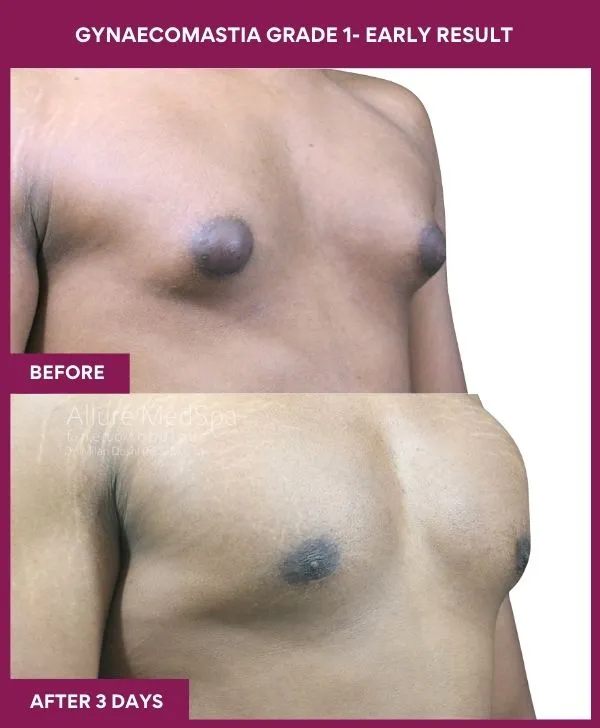
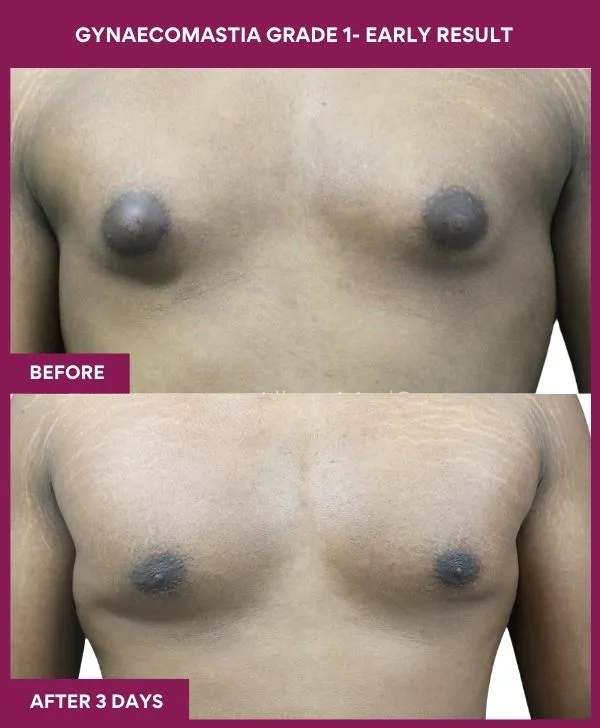
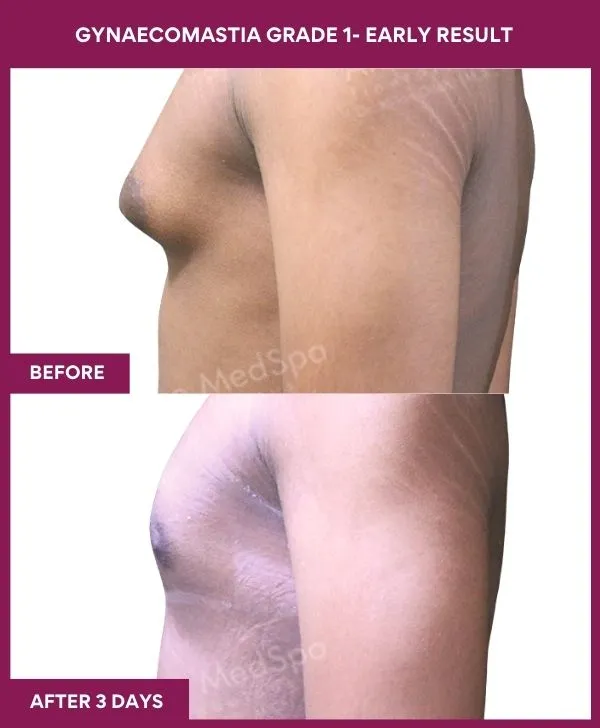
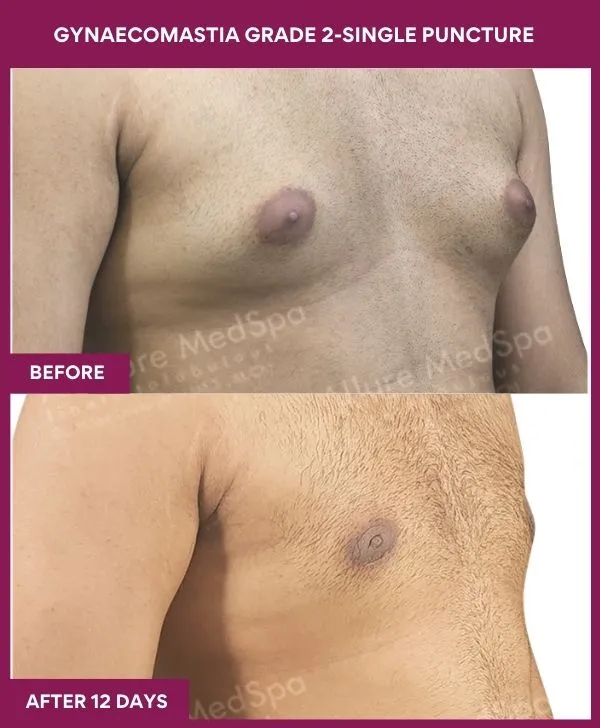
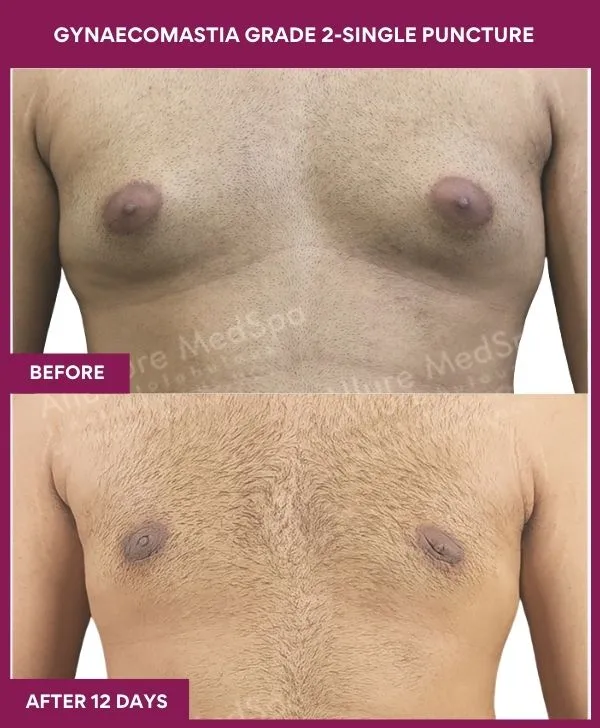
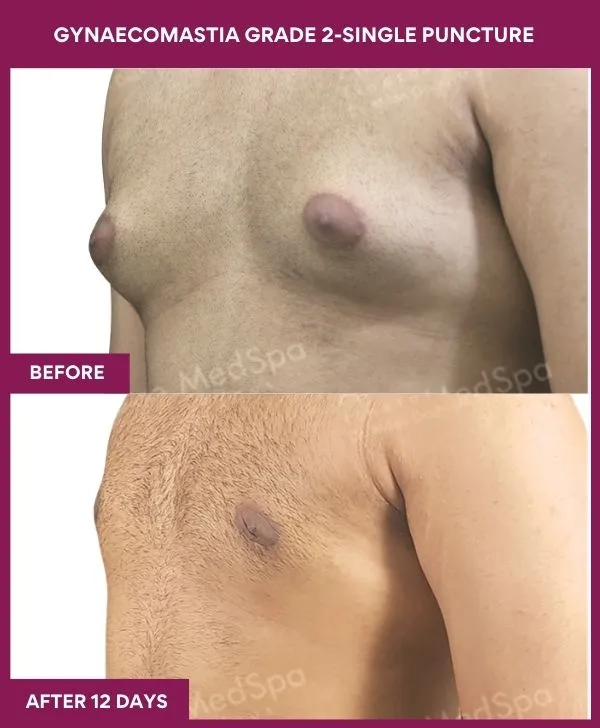
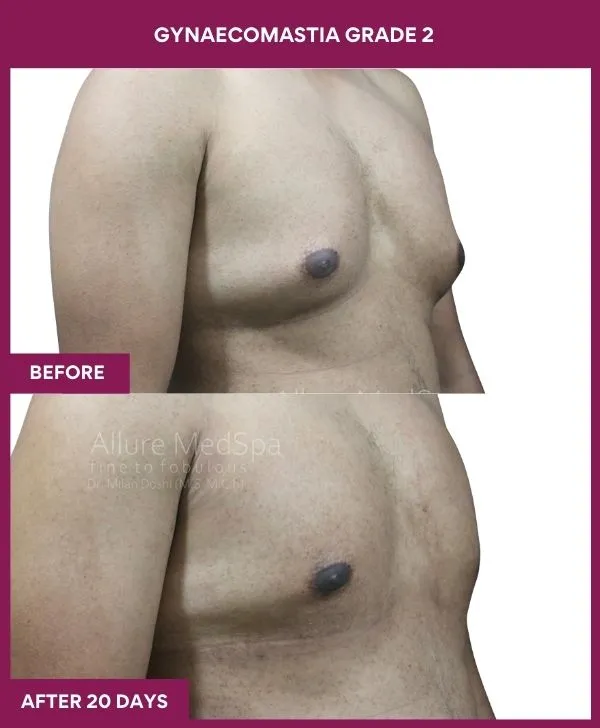
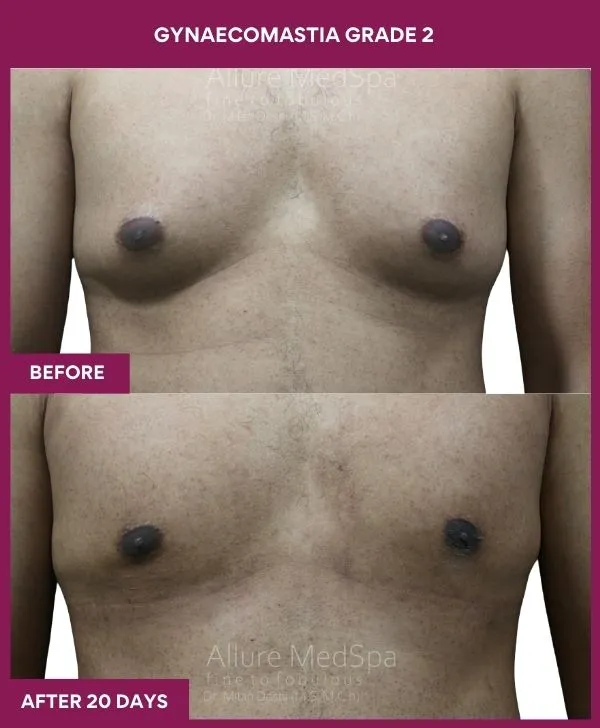
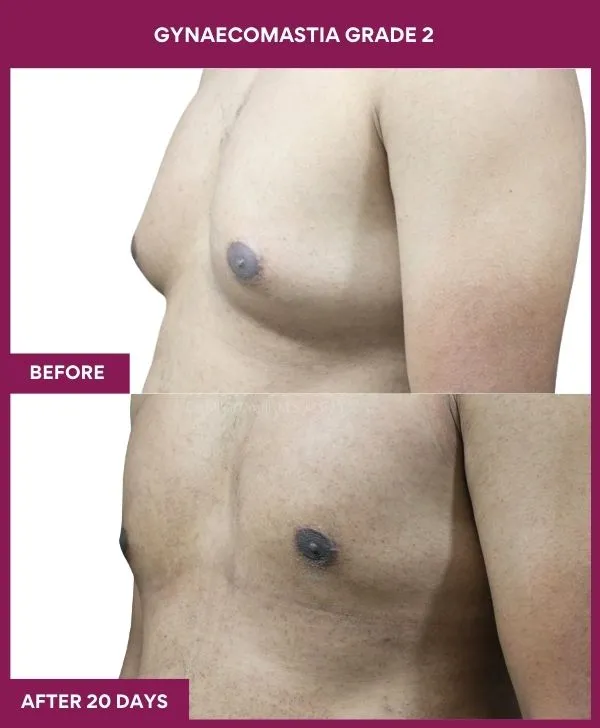
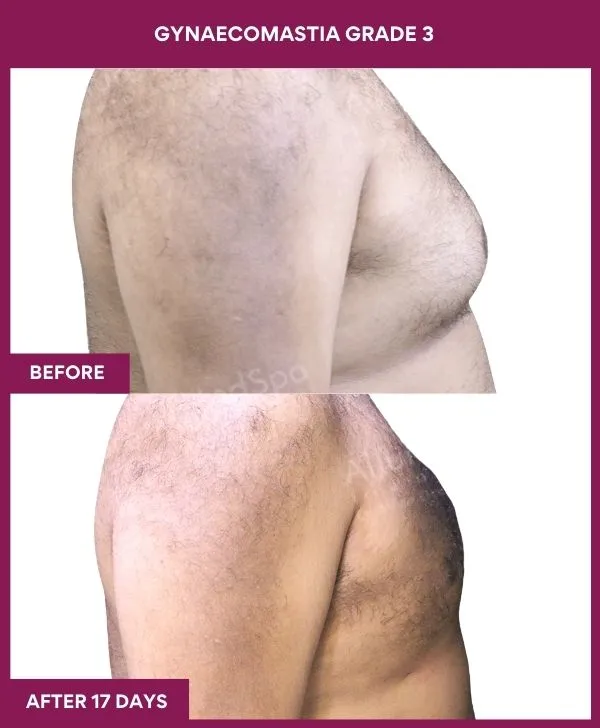
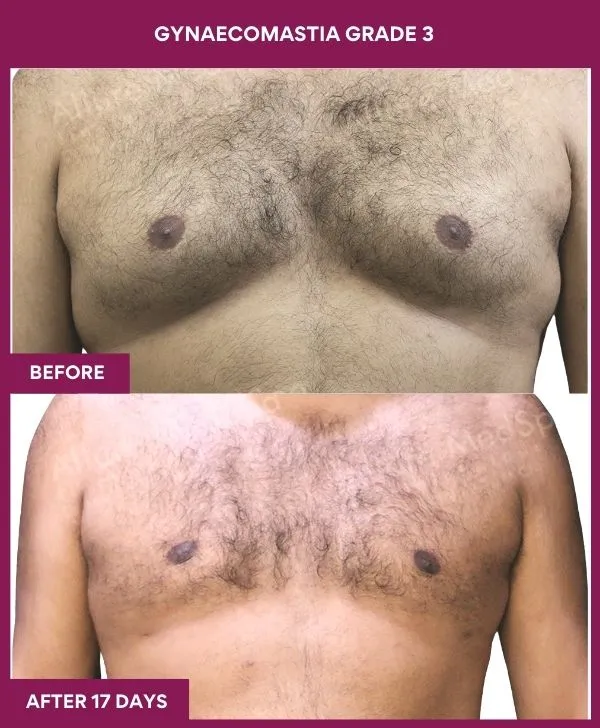
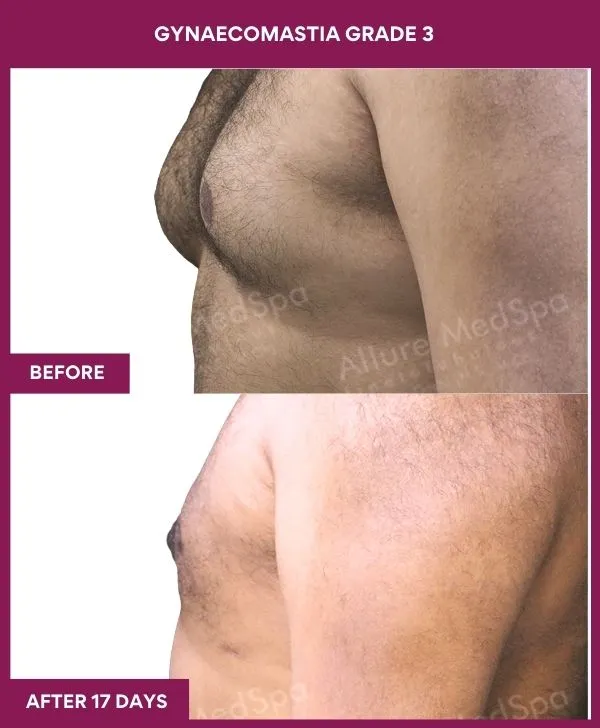
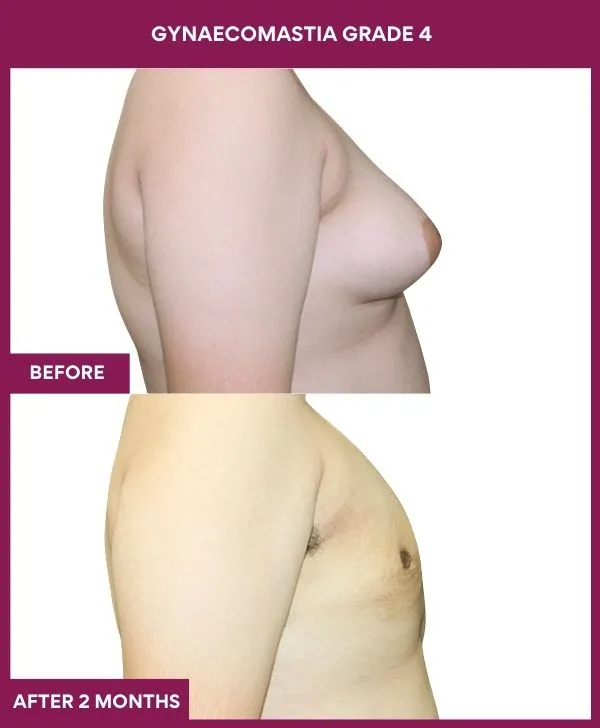
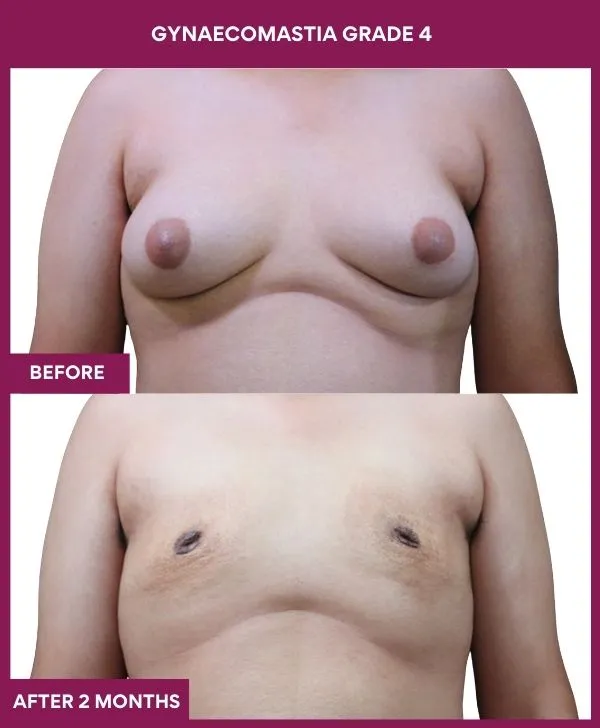
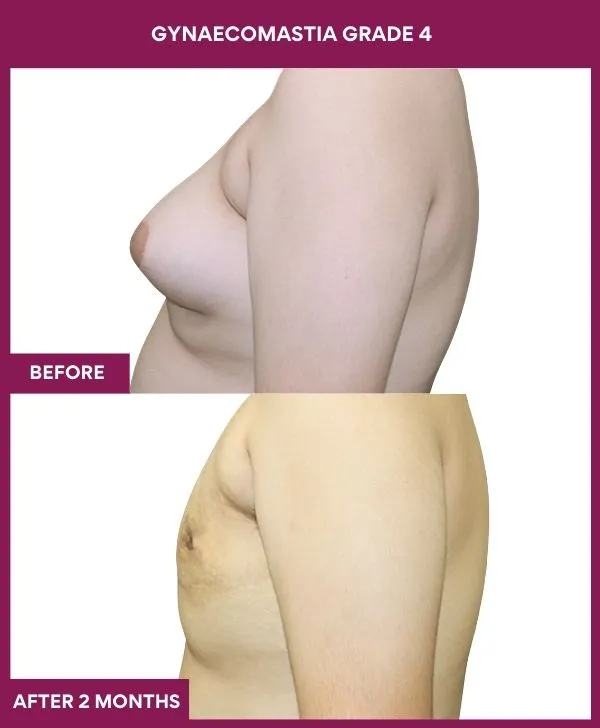
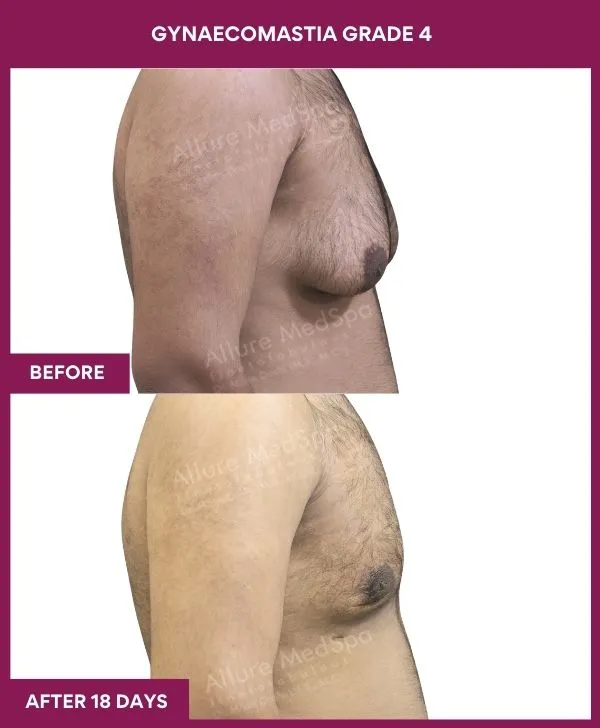
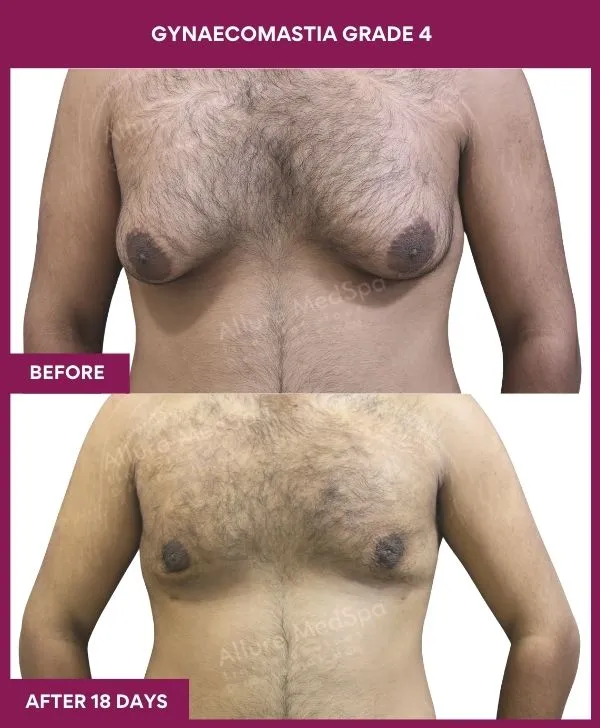
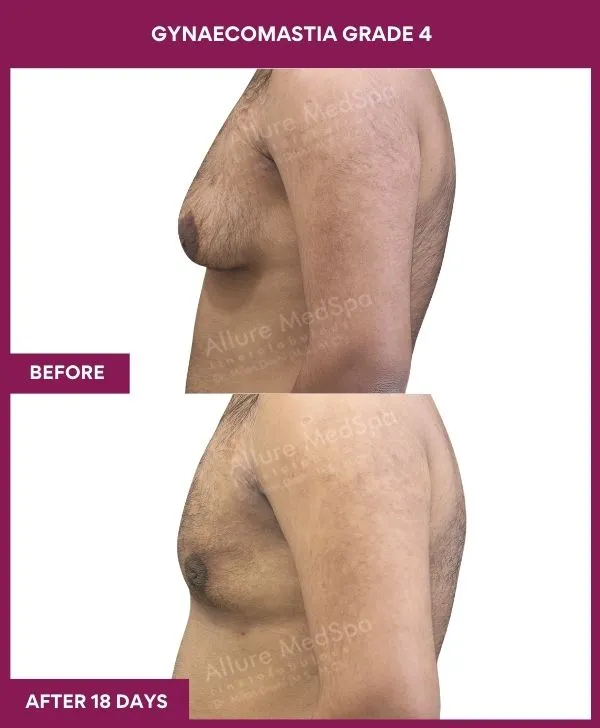
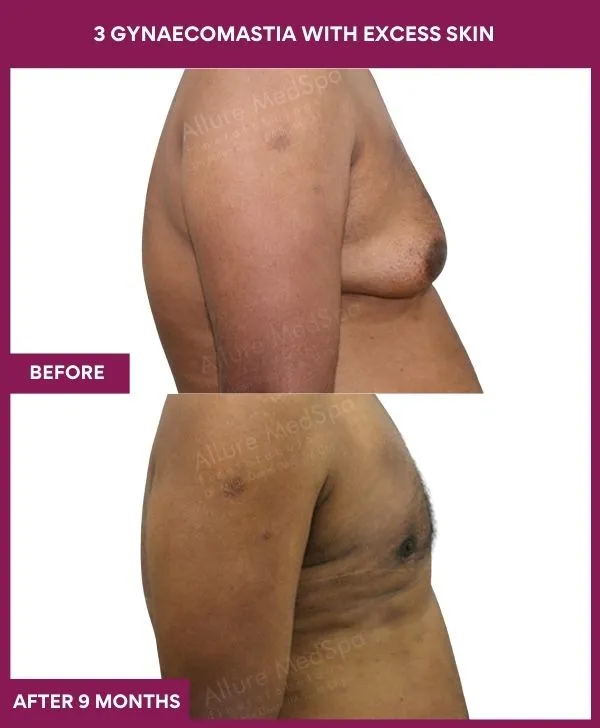
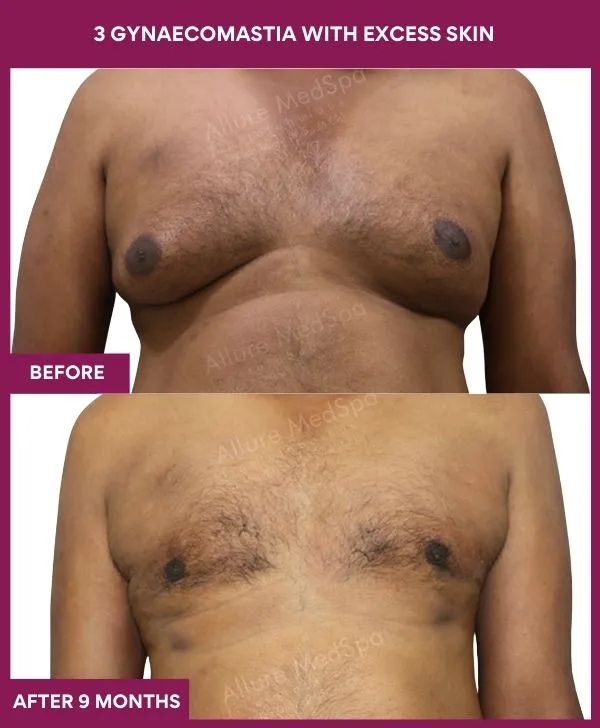
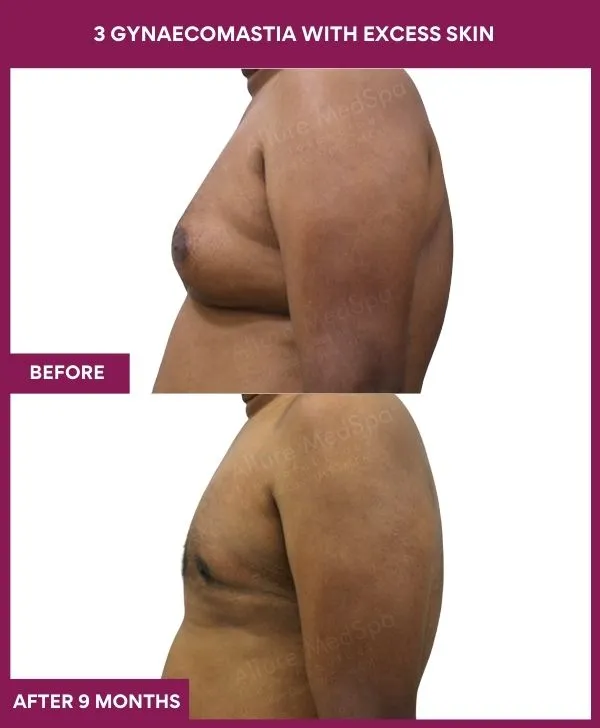
Gynecomastia Surgery Testimonials: Fine To Fabulous Journeys




Video: Gynecomastia Surgery Explained by Dr Milan Doshi
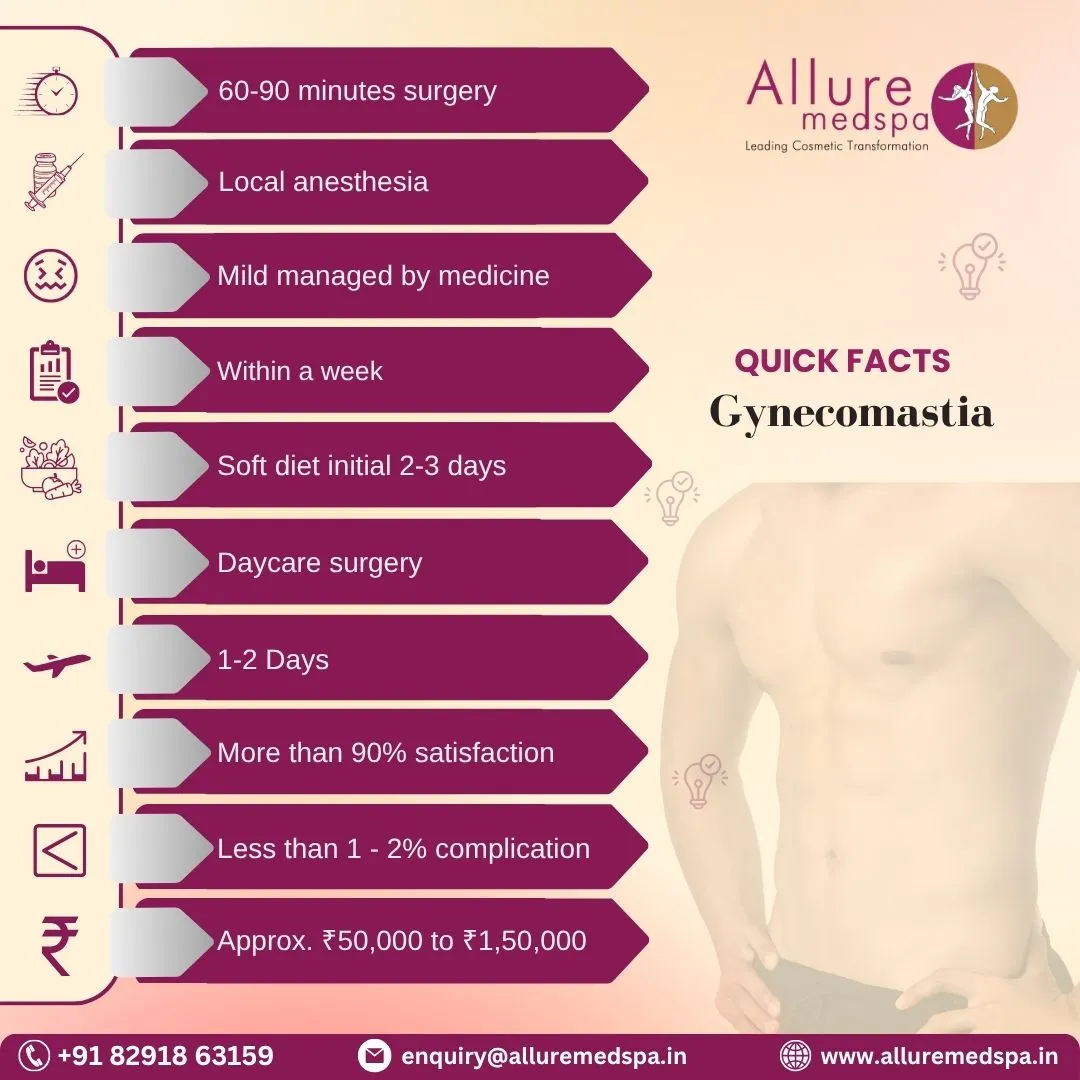
Gynaecomastia Surgery Quick Facts
What Are the Benefits of Gynecomastia Surgery?
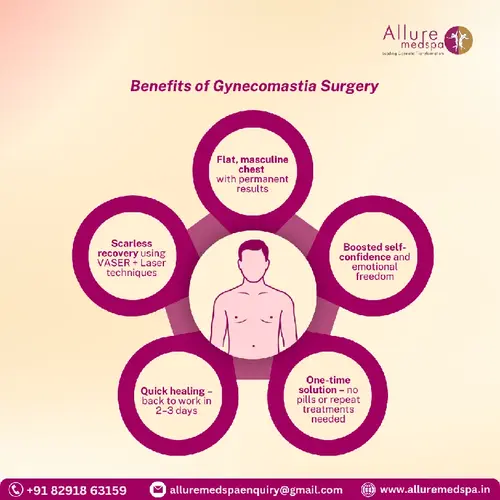
Gynaecomastia surgery delivers a flatter, firmer, more masculine chest in a single procedure — with benefits that are as much emotional as physical.
Flatter, masculine chest — gland and excess fat removed for a firmer contour
Confidence restored — comfort taking your shirt off at the gym, pool or beach
A one-time, lasting solution — removed gland doesn’t regrow, so results are permanent if the underlying cause is addressed and weight stays stable
Quick recovery — most men return to desk work within 2–3 days
Minimal, discreet scars — small and well-hidden with VASER/liposuction and micro-incision techniques (larger only where skin excision is needed)
Better fit in clothing — and improved posture and body image
What Are the Causes of Gynecomastia?
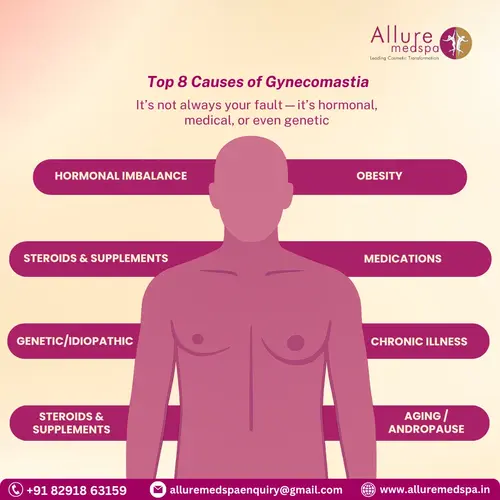
Gynaecomastia is triggered by hormonal imbalance, obesity, steroids or medications, substance use, chronic illness, or genetics — and identifying the cause guides the right treatment.
Hormonal imbalance — low testosterone or high estrogen, common in puberty, ageing or andropause
Obesity — excess fat raises estrogen, often producing mixed (fat + gland) gynaecomastia
Anabolic steroids & testosterone boosters — a leading cause in bodybuilders: published studies put steroid-associated gynaecomastia at 32–52% of users (an Indian series found 39%). The gland grows when excess androgen converts to estrogen (aromatisation)
Medications — some anti-androgens, antidepressants, chemotherapy, ulcer and heart drugs
Substance use — alcohol and some recreational drugs raise estrogen
Chronic illness — liver, kidney, thyroid or adrenal disorders affecting hormone balance
Idiopathic or genetic — in many cases no specific cause is found. Full causes guide
Sources: Anabolic-steroid-associated gynaecomastia ~39% in an Indian surgical series (PubMed), Multicentre study: steroids, hypogonadism and medications the commonest identified causes; 45% idiopathic (PMC)
What Are the Types of Gynecomastia?
What Is the Difference Between Gynecomastia and Pseudo-Gynecomastia?
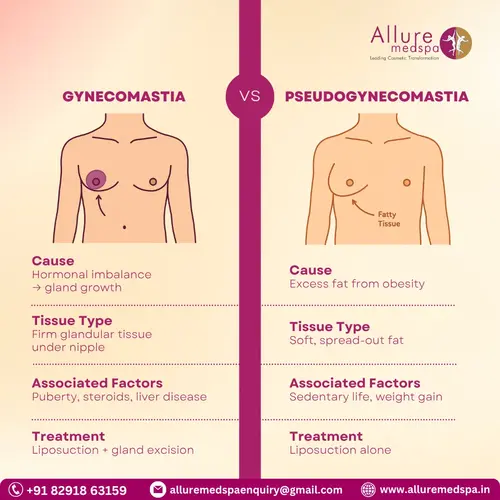
Gynaecomastia is glandular tissue enlargement; pseudogynaecomastia is fat accumulation alone — they look similar but need different treatment, so a clinical exam (often with ultrasound) matters.
| Criteria | Gynaecomastia | Pseudogynaecomastia |
|---|---|---|
| Tissue | Glandular | Fat |
| Feel | Firm/rubbery disc under the nipple | Soft, diffuse fat |
| Treatment | Gland excision + liposuction | Liposuction only |
Why it matters — liposuction alone won’t clear a firm gland; that needs excision. Chest fat vs gynaecomastia
What Are the Grades of Gynecomastia?
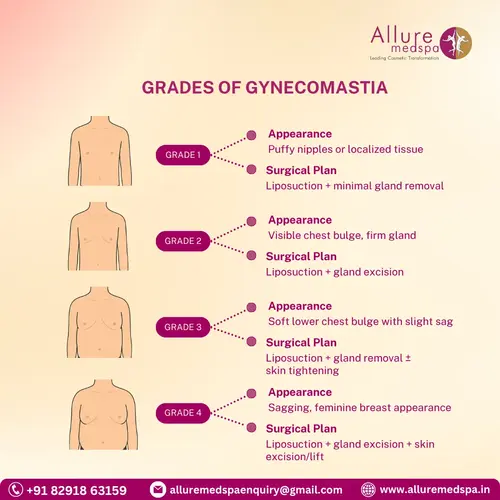
Gynecomastia is classified into 4 grades based on the breast size, ratio of gland to fat, and degree of skin laxity. This classification helps customize the most effective surgical technique to achieve a flatter, masculine chest.
Read more: Understanding the Grades of Gynecomastia: A Visual and Clinical Guide
Why Grading Matters:
- Tailored Technique: Each grade needs a specific approach—there’s no one-size-fits-all solution.
- Avoids Under-Correction: Higher grades require more than just liposuction to prevent residual bulge.
- Sets Realistic Expectations: Helps patients understand what results are achievable.
- Guides Skin Management: Identifies when skin tightening or excision is needed.
- Improves Contour Quality: Ensures symmetry, shape, and natural-looking chest lines post-surgery.
Bottom line: Grading isn’t just for classification—it’s the blueprint for a successful, confidence-boosting transformation.
ASPS Grading System (American Society of Plastic Surgeons)
| Grade | Description | Appearance | Surgical Plan |
|---|---|---|---|
| Grade I | Mild breast enlargement, no skin excess | Puffy nipples or localized tissue | Liposuction + minimal gland removal |
| Grade IIa | Moderate enlargement, no skin laxity | Visible chest bulge, firm gland | Liposuction + gland excision |
| Grade IIb | Moderate enlargement, minor skin laxity | Soft lower chest bulge with slight sag | Liposuction + gland removal ± skin tightening |
| Grade III | Severe breast enlargement + significant skin excess | Sagging, feminine breast appearance | Liposuction + gland excision + skin excision/lift |
Rod Rohrich Classification (Used in aesthetic-focused practices)
| Type | Description | Ideal Treatment |
|---|---|---|
| Type I | Minimal hypertrophy, no skin excess | Liposuction ± gland excision |
| Type II | Moderate hypertrophy, no ptosis | Liposuction + gland excision |
| Type III | Moderate hypertrophy, minor ptosis | Gland excision + skin tightening if needed |
| Type IV | Marked hypertrophy with significant ptosis (sag) | Gland excision + liposuction + skin lift |
Read more: Gynecomastia Surgery Cost by Grade (1–4) in Mumbai | Dr Milan Doshi
What Techniques Are Used for Gynecomastia Surgery?
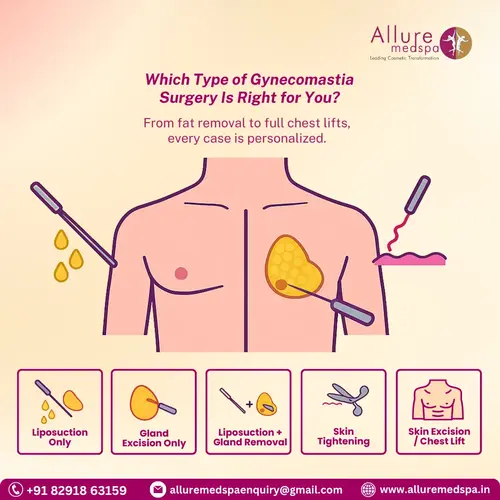
Gynaecomastia surgery is tailored to the grade and tissue type — from liposuction alone for fatty cases, through gland excision, to skin excision with nipple repositioning for severe cases.
| Technique | When it’s used | Best for |
|---|---|---|
| Liposuction only (VASER/laser) | Fat-only bulge, no gland | Grade I / early IIa |
| Gland excision only | Firm gland, little fat | Lean men, bodybuilders, steroid cases |
| Liposuction + gland excision (most common) | Mixed fat + gland | Grades IIa–IIb |
| With skin tightening | Mild skin laxity | Grade IIb/III |
| With skin excision / chest lift | Severe sagging + loose skin | Grade III/IV, post-weight-loss |
Scars by technique — liposuction leaves tiny puncture marks; gland excision uses a 3–5 mm areolar incision; only skin-excision cases leave a longer (though planned and discreet) scar. VASER gynaecomastia cost
Am I the Right Candidate for Gynecomastia Surgery?
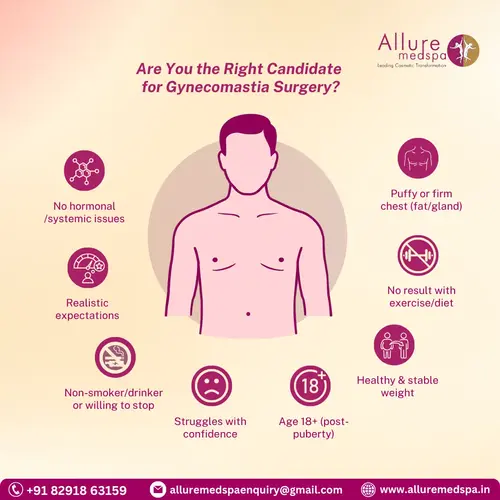
You’re likely a good candidate for gynaecomastia surgery if you have a persistent chest bulge that won’t respond to diet or exercise, you’re at a stable weight, over 18, in good health, and any underlying cause is addressed.
You’re likely a good candidate if
Persistent chest bulge — gland, fat or both, not responding to exercise/diet
Stable weight and good general health — and aged 18+ (post-puberty)
Emotionally affected — by chest appearance, with realistic expectations
Non-smoker/non-drinker — or willing to pause before surgery
You may not be eligible if
Still in puberty — pubertal gynaecomastia often resolves on its own; surgery is considered once it persists past 18
Currently on a causative drug — e.g. anabolic steroids — which should be stopped first, or the gland can regrow
Untreated hormonal, liver, kidney or thyroid condition — these should be assessed and managed first
Read more — gynaecomastia through different age groups
Why Have a One-to-One Consultation Before Gynecomastia Surgery?
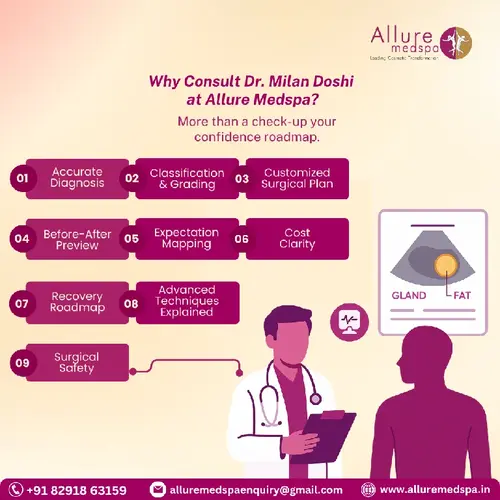
A gynaecomastia consultation confirms whether your chest fullness is gland, fat or both, grades it, and produces a personalised, honestly-costed surgical plan.
Accurate diagnosis — gland vs fat vs mixed, often confirmed with ultrasound
Grading & classification — ASPS and Rohrich scales to choose the technique
Customised plan — based on your grade, body type and goals
Honest expectations — realistic before/after mapping, including scars and recovery
Cost clarity — a transparent estimate for your specific condition
Preparation — wear a fitted T-shirt, bring past medical reports, and be honest about steroid/supplement use (it directly affects planning and recurrence)
Outstation patients — travel-friendly arrangements via our outstation patient support
How Should You Prepare Before Gynecomastia Surgery?
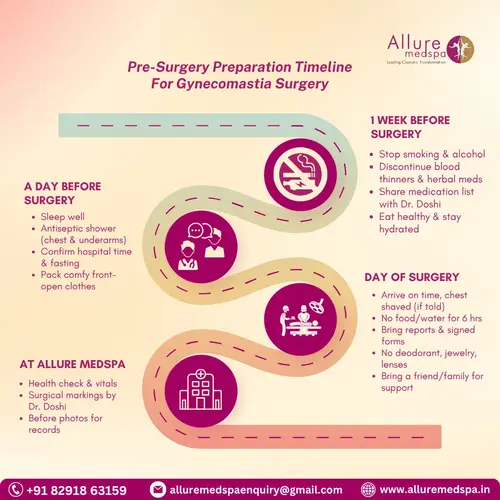
Preparing for gynaecomastia surgery means pausing steroids, blood thinners, smoking and alcohol, sharing your full medication list, and following fasting and hygiene instructions.
1 week before
Stop — smoking, alcohol, nicotine; and blood thinners, aspirin, vitamin E and herbal supplements if advised
Disclose — your complete medication and supplement list, especially anabolic steroids (critical for planning and preventing recurrence)
Day before & day of surgery
Rest and wash — with antiseptic soap (chest & underarms); confirm fasting (6+ hours)
On the day — no deodorant/lotion/jewellery; bring reports and signed consent; be accompanied by a responsible adult
How Is Gynecomastia Surgery Performed, Step by Step?
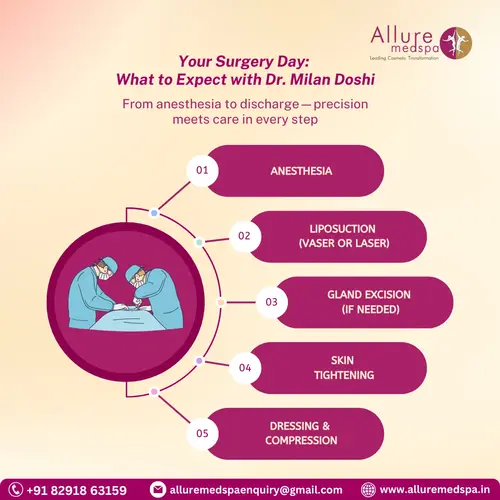
Gynaecomastia surgery is performed under local anaesthesia (± sedation): the chest is marked, VASER/liposuction removes fat, the gland is excised through a tiny areolar incision, and a compression garment is applied — all in 60–90 minutes as daycare.
Marking & photos — vitals checked, final markings made, before-photos taken
Anaesthesia — local anaesthesia with optional sedation for comfort
Liposuction — VASER or laser liposuction removes excess fat with minimal trauma
Gland excision — if gland tissue is present, it’s removed through a 3–5 mm hidden incision at the areolar margin
Skin tightening (higher grades) — laser/RF, or skin excision with nipple repositioning for Grade III/IV
Compression garment — applied immediately to support healing and contour
Home the same day — the whole procedure takes 60–90 minutes
Post-Gynecomastia Surgery Recovery: What to Expect
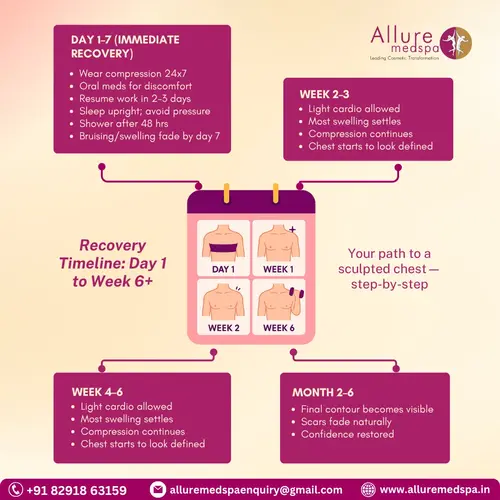
Know what to expect after gynecomastia surgery—healing timeline, garment use, activity limits, scar care, and tips for a smoother, faster recovery.
First 1–7 Days:
- Wear compression garment 24×7 to reduce swelling and shape chest.
- Mild pain or tightness is normal—managed with oral painkillers.
- Shower after 48 hours (if advised).
- Avoid heavy lifting, chest workouts, or direct pressure.
- Small drain (if used) removed in 24–48 hours.
- Resume desk/online work in 2–3 days.
- Sleep on your back with head elevated for 1 week.
Week 2–3:
- Start light cardio/walking.
- Continue wearing compression garment as instructed.
- Swelling and bruising mostly subside.
Week 4–6:
- Compression may be reduced to daytime use only.
- Gradual return to gym, driving, and chest workouts.
- Numbness or lumpiness (if any) fades.
Month 2–6:
- Skin tightens, chest takes final shape.
- Scars fade, blending naturally with skin.
- Full confidence in fitted clothes returns.
Be consistent with compression garment use.
Tips for Faster Healing:
- Follow all medications and review appointments.
- Avoid smoking, alcohol, and supplements (e.g., steroids).
- Maintain a stable weight, don’t massage chest early.
Read More: Gynecomastia After Care | Do’s, Don’ts & Post-Operative Guide
What Is Recovery Like After Gynecomastia Surgery?
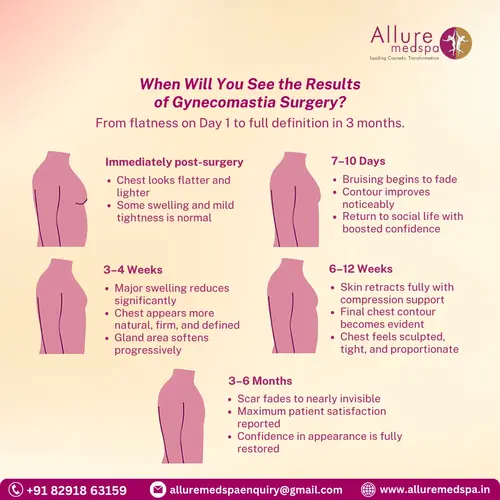
Recovery from gynaecomastia surgery is quick — desk work in 2–3 days, light cardio at 2–3 weeks, and the final chest contour over 3–6 months, with a compression garment throughout the early weeks.
First 1–7 days
Compression garment 24×7 — to reduce swelling and shape the chest
Mild pain or tightness — normal, managed with oral painkillers
Desk work — resume in 2–3 days; sleep on your back, head elevated, for a week
Week 2–6
Light cardio/walking — from week 2–3; swelling and bruising mostly settle
Compression — reduced to daytime use; gradual return to gym and chest workouts
Month 2–6
Skin retracts, contour finalises — scars fade and blend
Faster healing — follow medications and reviews, avoid smoking/alcohol/steroids, keep a stable weight. Full aftercare guide · recovery timeline
What Are the Risks and Complications of Gynecomastia Surgery?

Gynaecomastia surgery is one of the safer cosmetic procedures, and most complications are minor and preventable — but honest awareness of them is part of good consent.
Common & manageable
Swelling or bruising — usually resolves within 7–10 days
Temporary numbness or tingling — nerve adaptation; usually fades
Seroma (fluid collection) — uncommon; drainable; reduced by compression
Minor bleeding or haematoma — usually self-limiting
Infection — very rare with sterile technique and antibiotics
Less common (usually preventable)
Residual gland / puffiness — from incomplete removal; avoided by thorough excision
Chest asymmetry or contour irregularity — from uneven removal; reduced by careful marking
Nipple depression (‘saucer defect’) — from over-aggressive gland removal; avoided by preserving a fat cushion
Visible scarring — minimised by hidden incisions and scar care; larger in skin-excision cases
Recurrence — uncommon once the gland is fully removed, but can occur if steroid use resumes or an underlying cause persists — which is why the cause must be addressed. Recurrent gynaecomastia
Source: Full risks & complications guide
What Is the Cost of Gynecomastia Surgery in Mumbai, India?
Who Is the Best Surgeon for Gynecomastia Surgery in Mumbai, India?

Dr. Milan Doshi is an Indian board-certified plastic surgeon in Mumbai with 27+ years’ experience and a high volume of gynaecomastia procedures, known for VASER-based techniques and discreet, well-hidden scars.
Board-certified (M.Ch, MS) — 27+ years of cosmetic surgery experience
Founder & chief surgeon — Allure Medspa & Vardan Hospital, Mumbai
Minimal-scar technique — 98%+ of cases avoid visible scars, even in advanced grades — personally performs every surgery
VASER + laser liposuction — precise contouring with minimal trauma
National mentor & faculty — trains plastic surgeons across India (IAAPS, ISAPS, MUHS)
Complex cases — steroid-induced and post-weight-loss gynaecomastia
Which Is the Best Centre for Gynecomastia Surgery in Mumbai, India?

Allure Medspa offers gynaecomastia care in Mumbai with NABH-accredited safety, ultrasound chest mapping, VASER technology, daycare convenience and discreet, private facilities.
Surgeon-owned & NABH-accredited — international-level safety and hygiene standards
Ultrasound chest mapping — precise pre-op planning of gland vs fat
Advanced technology — VASER + laser liposuction + micro-incision gland removal
Daycare, private & discreet — walk in and out the same day; ideal for working professionals
Outstation & international support — seamless care from consultation to follow-up. Why choose Allure Medspa