
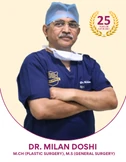
Indian Board Certified Plastic Surgeon
M.CH, MS, ISAPS Mentor
16000+ Cosmetic Surgeries
500+ Face Lift Surgeries
Face Lift Surgery (Rhytidectomy) in Mumbai – Restore Youthful Contours Safely
Facelift surgery (rhytidectomy) lifts and repositions the deeper facial tissues — not just the skin — to soften jowls, smooth folds and restore youthful contours, with natural, long-lasting results. It’s important to be clear about what it does and doesn’t do: a facelift addresses sagging and laxity, while skin texture, sun damage and lost volume are treated with complementary options like fat grafting, resurfacing or fillers.
What Is Facelift Surgery and How Does It Rejuvenate Your Face?
Facelift surgery, or rhytidectomy, is a cosmetic procedure that lifts and repositions the deeper facial tissues (not just the skin) to soften sagging, folds and jowls for a natural, youthful look.
Corrects sagging & jowls — loose skin, deep folds and a heavy jawline
Repositions deeper tissue — the SMAS layer is tightened, not just the skin — the key to natural, lasting results
Often combined — with a brow lift, eyelid surgery or neck lift for full rejuvenation
Highly personalised — tailored to your facial structure and ageing pattern
Also called: rhytidectomy, face lift, facial rejuvenation surgery, mid-face lift, mini facelift, SMAS facelift.
Restore youthful contours with Dr. Milan Doshi — Mumbai’s trusted facelift expert with 27+ years of experience.
Facelift Surgery Before And After Images
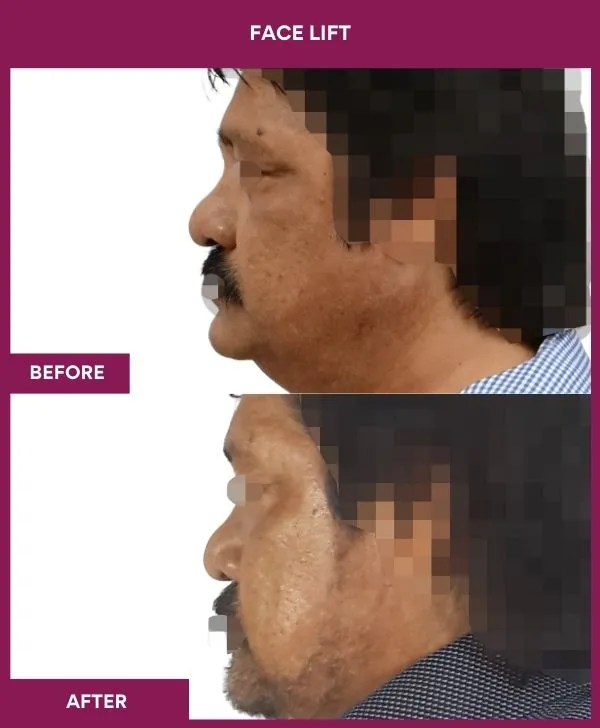
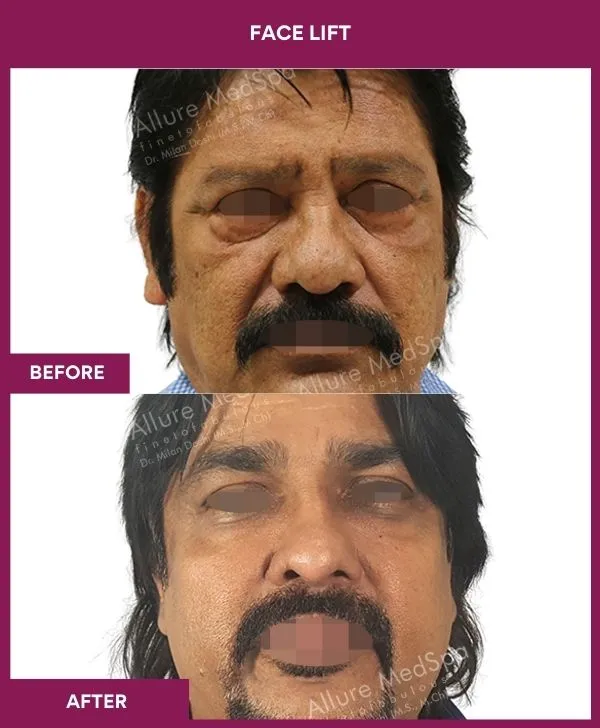
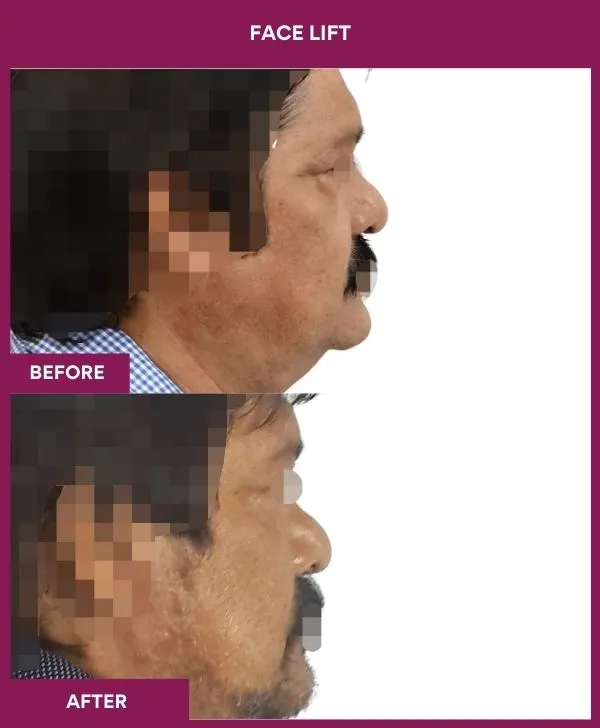
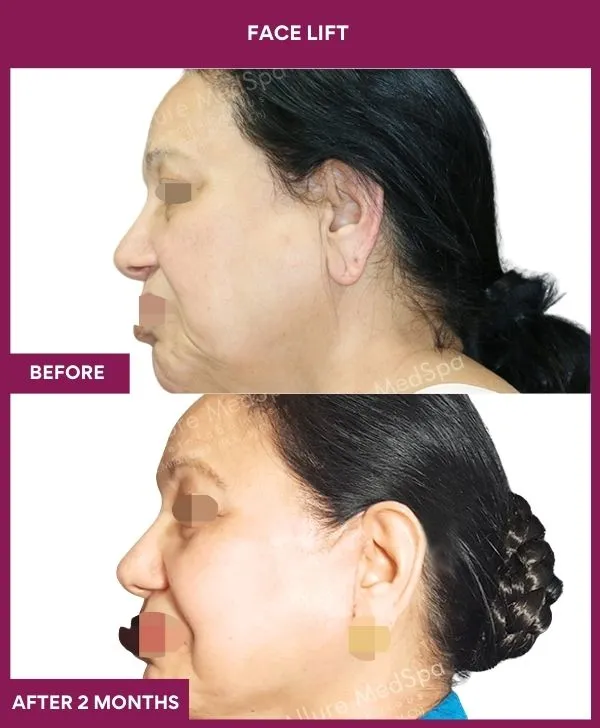
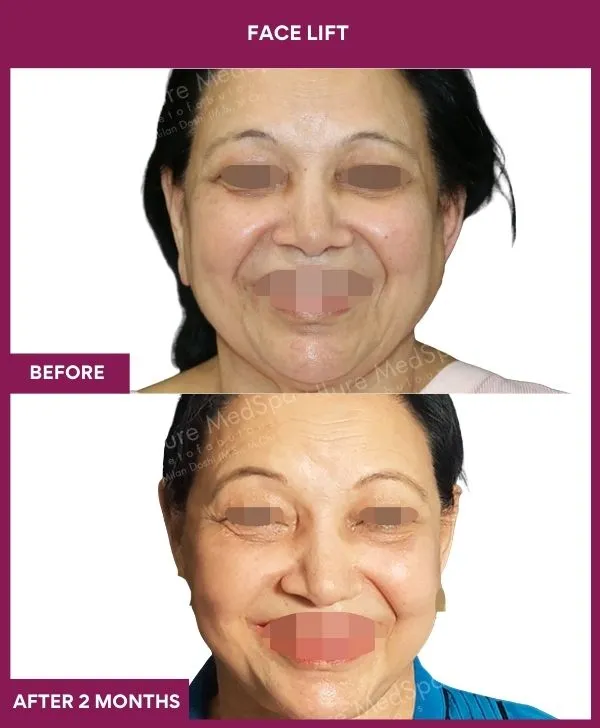
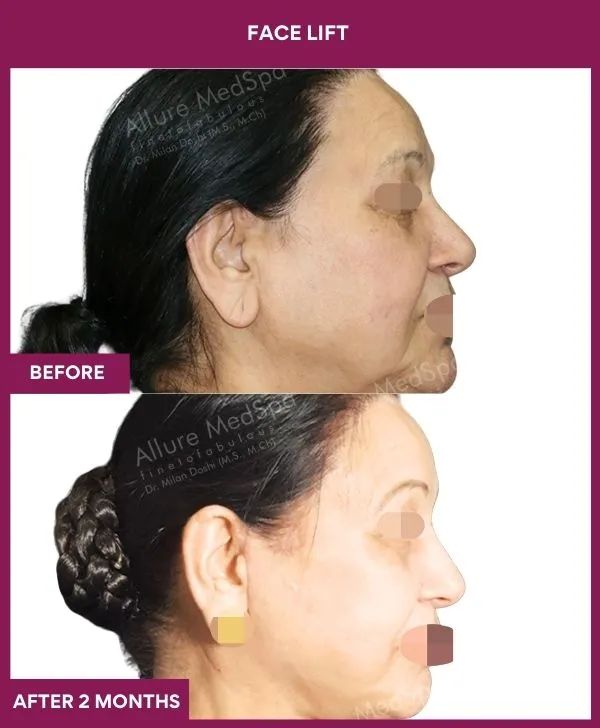
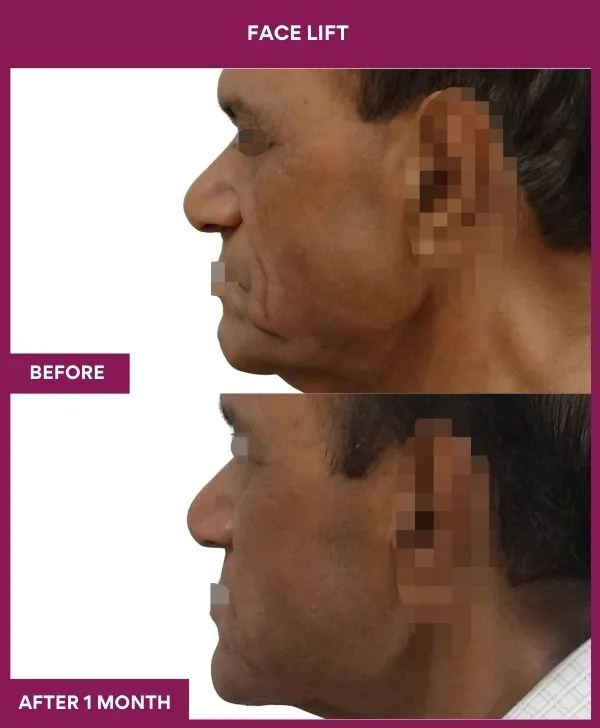
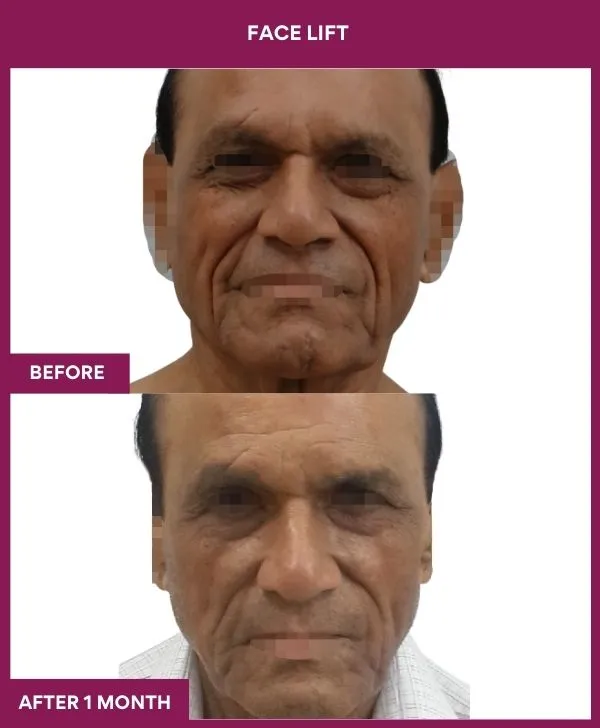
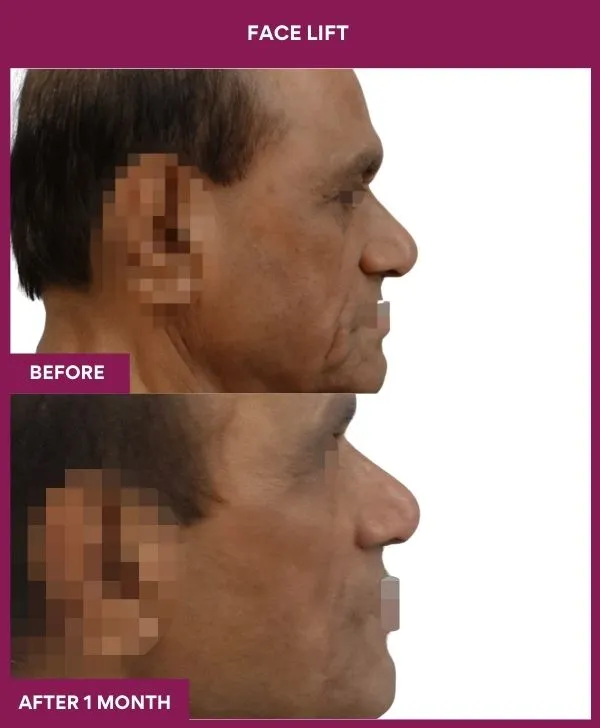
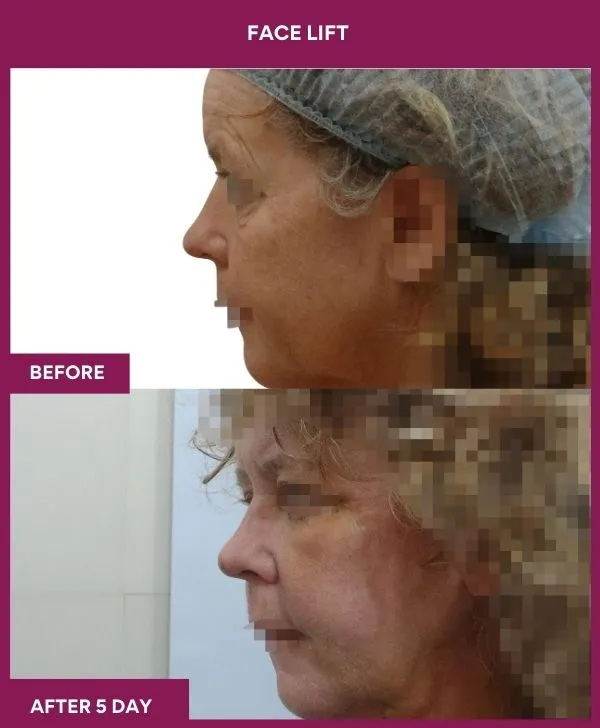
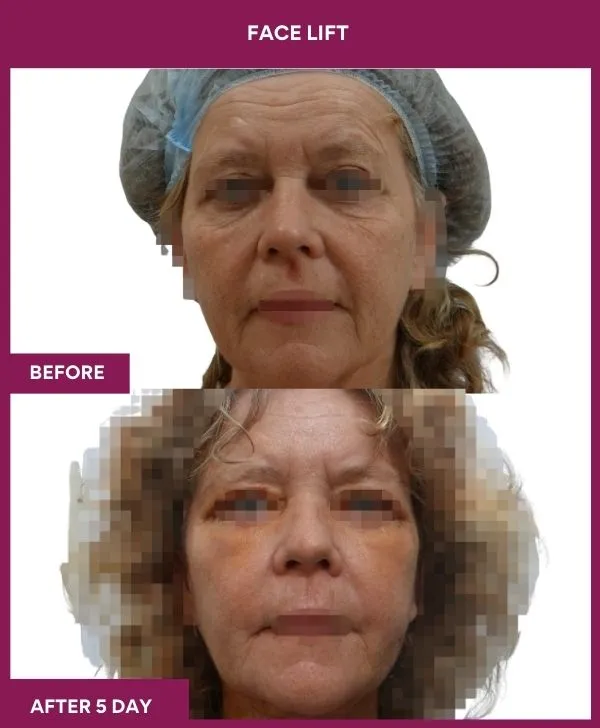
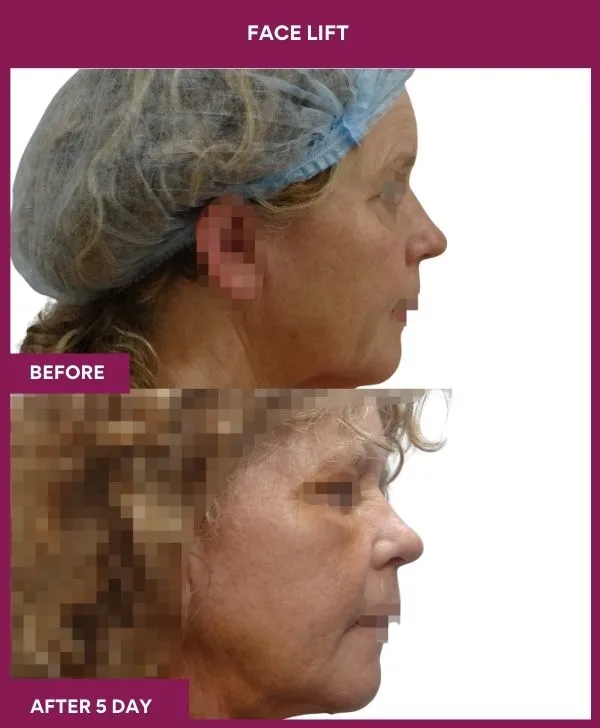
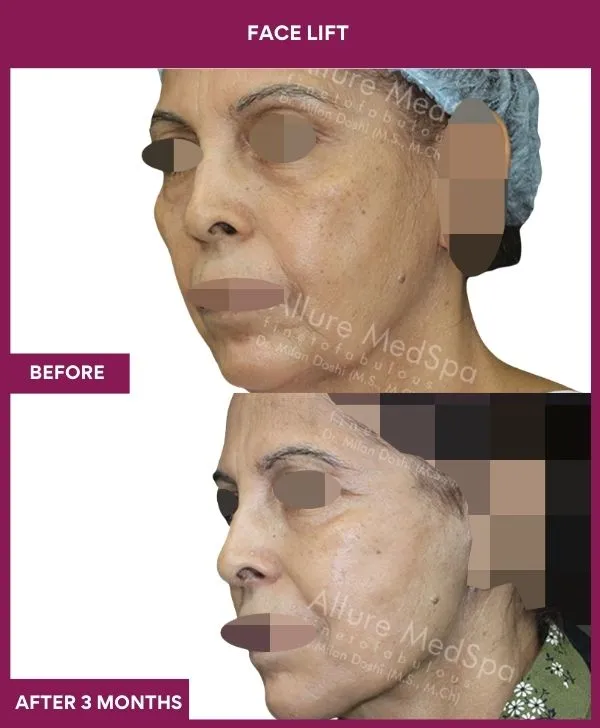
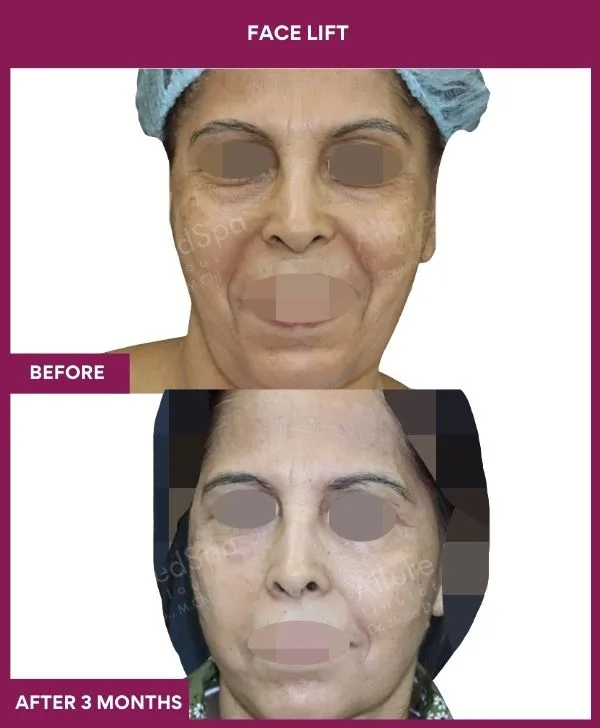
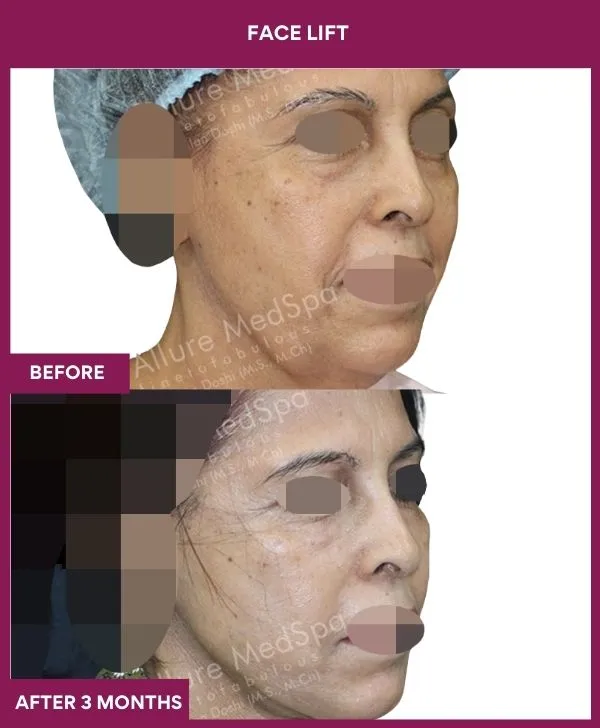
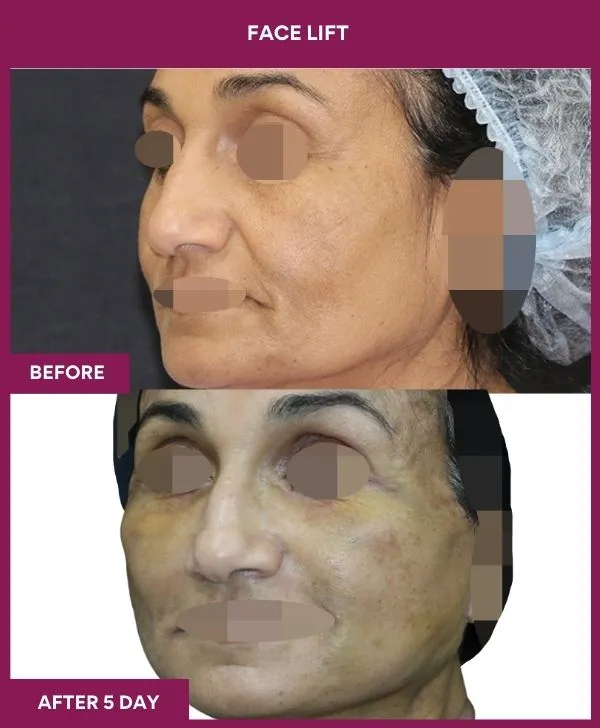
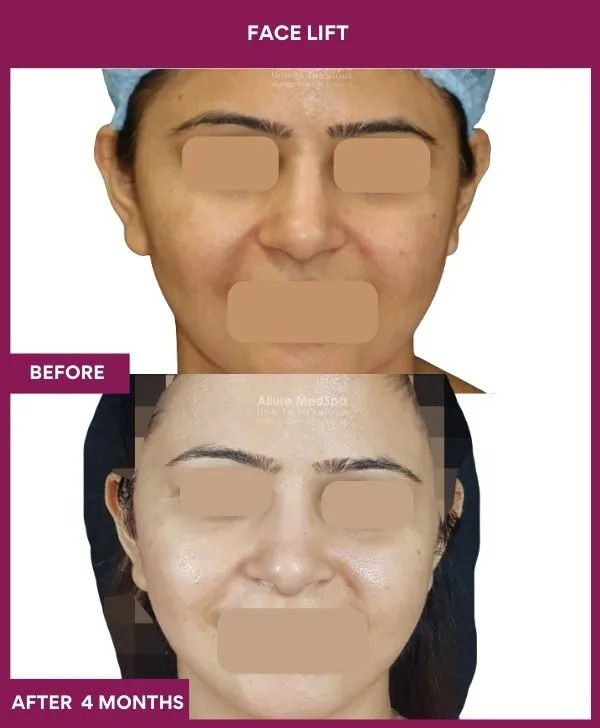
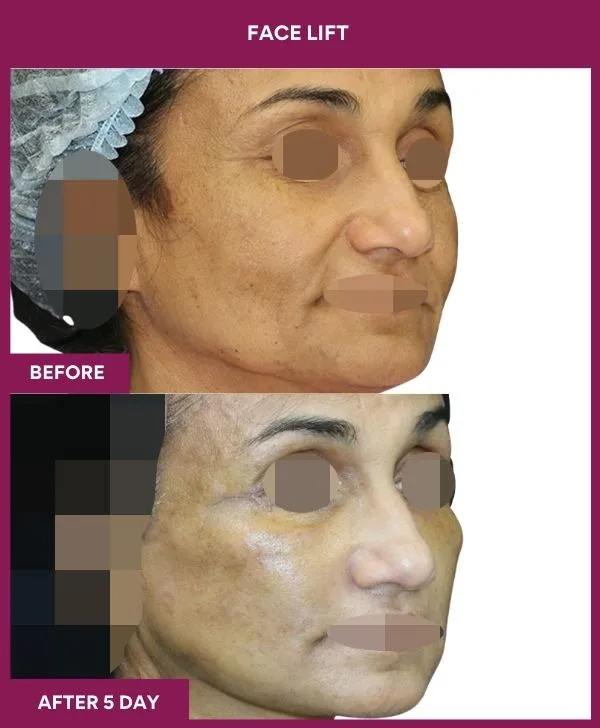
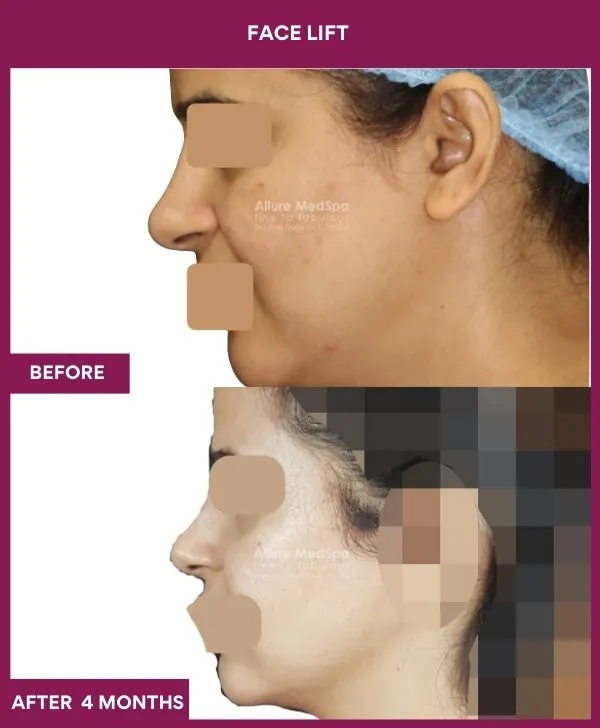
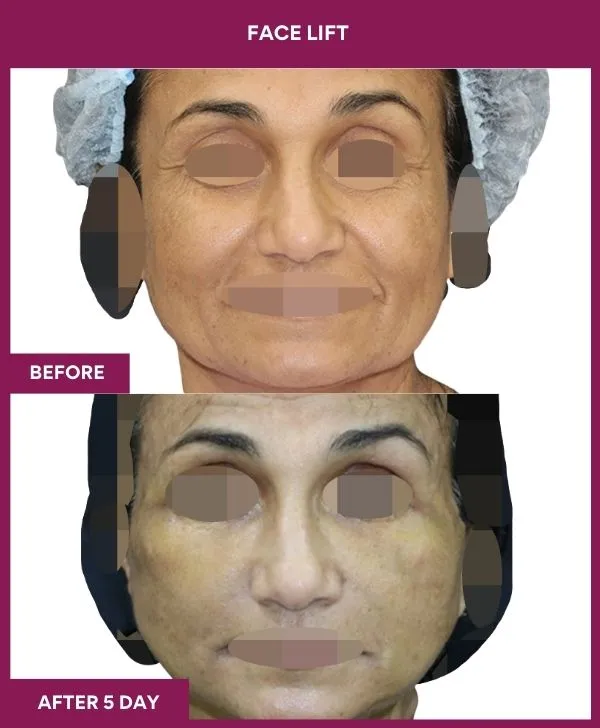
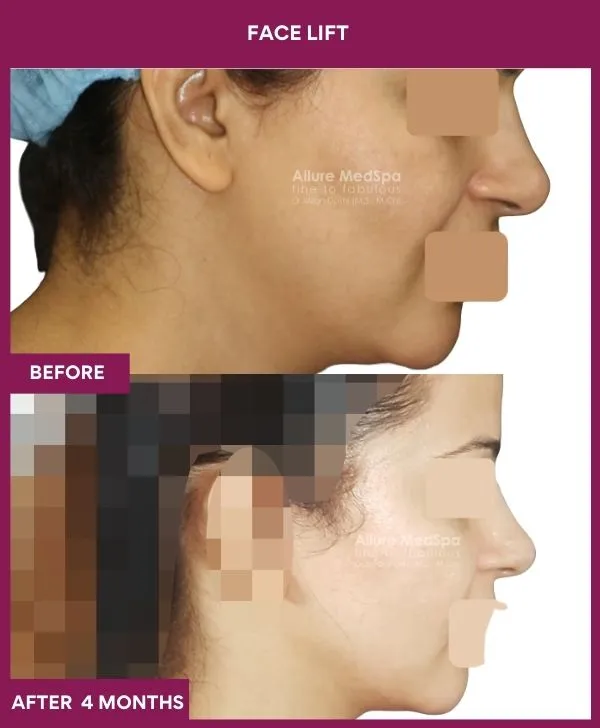
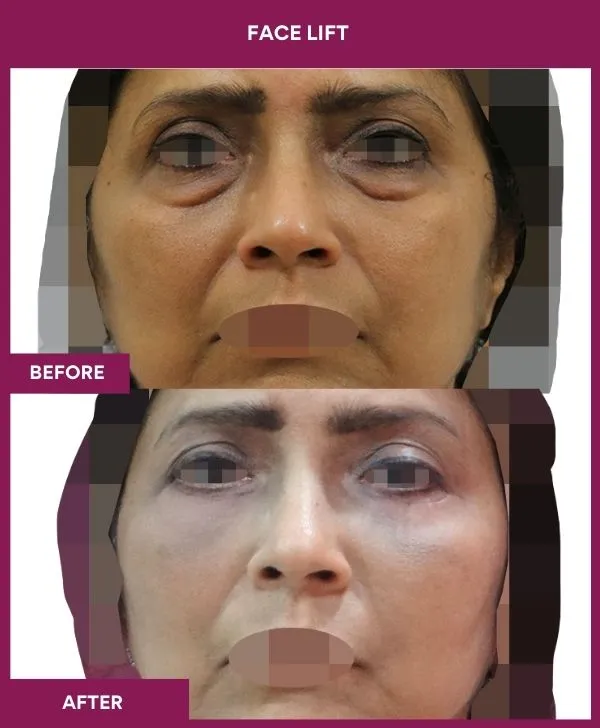
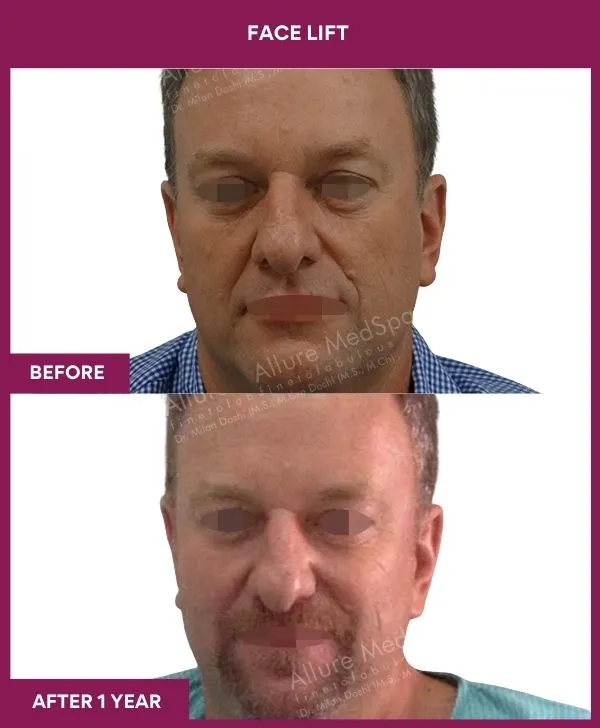
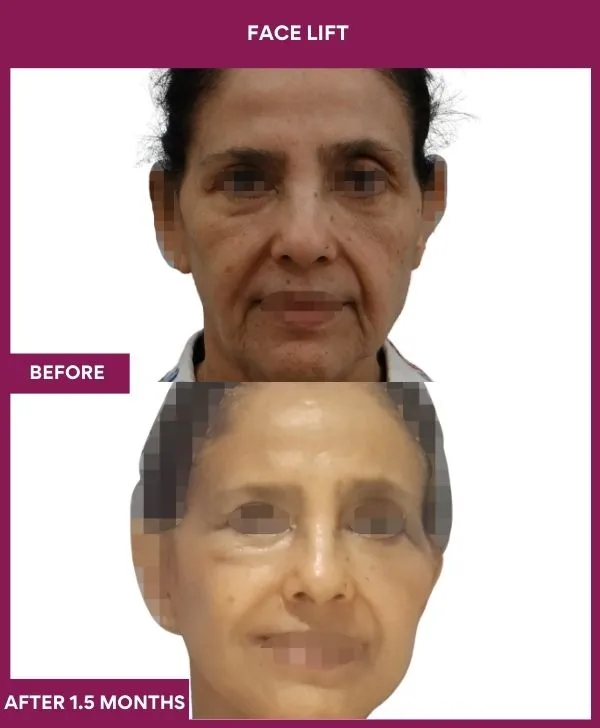
See real transformations from fine to fabulous — achieved with precision and care.
Facelift Surgery Testimonials: Fine To Fabulous Journeys
Thousands have trusted Dr. Milan Doshi to turn back time with natural, youthful results.
Want to Turn Back Time — Is Facelift Surgery Right for You?
If sagging skin and deep folds are making you look older or more tired than you feel, facelift surgery offers a powerful, long-lasting way to restore youthful contours.
Are sagging skin, deep folds and jowls making you look older than you feel?
Do you look tired or worn out even when you’re full of energy?
Are fillers and skin-tightening treatments no longer giving you the results you want?
Ageing gracefully sounds beautiful, but when loose skin and lost facial volume start affecting your confidence, the frustration is real — many people begin avoiding photos or social events because their face no longer reflects their energy.
Facelift surgery (rhytidectomy) offers a long-lasting solution: rather than a temporary fix, it repositions the underlying facial tissues, softens folds and restores youthful contours. Combined where appropriate with a brow lift, eyelid surgery or neck lift, it gives a refreshed, natural look — not an overdone one.
Global & Indian trends (2024)
Over 1.18 million facelift surgeries were performed worldwide in 2023, per the ISAPS 2024 Global Survey.
India performed over 19,000 facelift procedures — among the fastest-growing facial cosmetic surgeries in the country.
Facelift ranks among the top facial rejuvenation procedures globally, with steady year-on-year demand.
Source: ISAPS Global Survey 2024
If a scarless option interests you, ask about our non-surgical facelift and thread lift — though these give milder, shorter-lived results than surgery.
Video: Facelift Surgery Explained By Dr. Milan Doshi
Dr Milan Doshi is describing the Face Lift Surgery in detail with benefits, candidacy, associated risks and significance
Understood how it works? Let’s take the next step toward your transformation.
What Are the Quick Facts About Facelift Surgery?
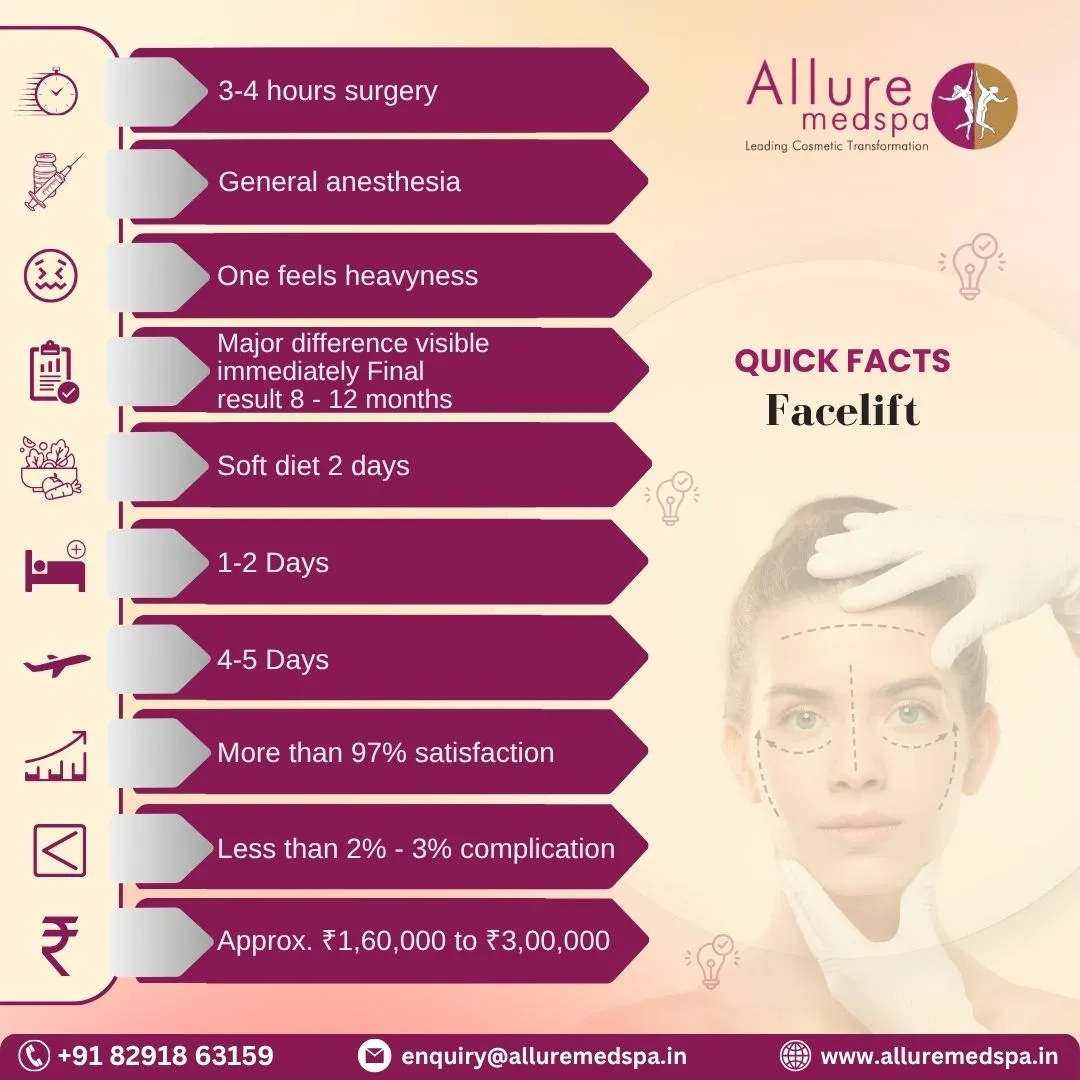
| Time Required | 3–4 Hours |
| Anesthesia | General Anesthesia |
| Pain Level | Mild heaviness or discomfort |
| Hospital Stay | 1–2 Days |
| Flyback | 4–5 Days |
| Success Rate | Very High (97–98%) |
| Result | Visible in 2–3 Weeks; Final in 6–12 Months |
| Diet | No Specific Restrictions |
| Complication Rate | Less than 2–3% |
| Facelift Surgery Cost | INR 1,60,000 to 3,00,000 Approx. |
You’re just one step away from understanding your personalized facelift journey.
What Are the Key Benefits of Facelift Surgery?
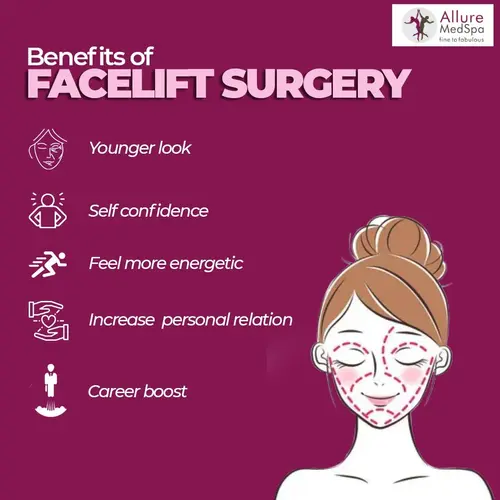
Facelift surgery restores a younger, refreshed look and boosts confidence — without changing your fundamental identity.
Younger, refreshed appearance — softer folds and restored contours, while keeping your natural features
Long-lasting — years of benefit from a single procedure (unlike temporary fillers)
Natural, not ‘done’ — deeper-tissue repositioning avoids the pulled, artificial look
Confidence — most patients report improved self-esteem socially and professionally
Which Facial Features Can a Facelift Surgery Rejuvenate?
Facelift surgery mainly improves the lower two-thirds of the face — jowls, jawline, nasolabial folds and neck — by lifting sagging tissue; volume and skin texture are addressed with complementary treatments.
Jawline & jowls — reduces sagging for a defined lower face
Nasolabial folds — softens the deep lines from nose to mouth
Neck profile — a sharper neck angle (often with a neck lift)
Mouth corners — lifts downturned corners for a more pleasant resting look
Volume & skin texture — a facelift lifts, but doesn’t add volume or fix skin quality by itself — hollow cheeks and tear troughs are restored with fat grafting or fillers, and fine lines/sun damage with resurfacing or skin care
Every feature can tell your story — let’s make it vibrant again.
Who Is the Right Candidate for Facelift Surgery?
You may be a good candidate for facelift surgery if you have visible sagging, are in good health, don’t smoke, and have realistic expectations.
Visible ageing signs — sagging skin, jowls, deep folds or a heavy jawline
Beyond non-surgical — fillers or threads no longer give the result you want
Healthy & non-smoking — medically fit; smoking raises skin-healing and necrosis risk
Realistic expectations — a refreshed version of you, not a different face
Time to recover — willing to allow ~2 weeks of social downtime
Wondering if facelift surgery suits your goals and lifestyle?
What Happens During a Facelift Surgery Consultation?
A facelift consultation includes a detailed facial assessment, health check and a personalised surgical plan for safe, natural results.
Facial assessment — skin thickness/elasticity, folds, bone structure and volume loss
Technique planning — which facelift (and any add-ons) suit your anatomy and goals
Incision planning — placed along the hairline and ear for minimal visibility
Health & fitness — confirming you’re fit for surgery; book an online consultation to start with photos
Start with a detailed facial analysis and expert advice from Dr. Milan Doshi himself.
What Are the Different Types and Techniques of Facelift Surgery?
Facelift techniques range from skin-only and mini lifts to deeper SMAS and endoscopic methods — the right one depends on your age, skin quality and how much lift you need.
Incision approaches
Standard facelift — hairline-to-ear-to-hairline; for full face and neck
Short-incision / mini — limited incisions for younger patients with good elasticity
Lower facelift — focuses on the jawline and lower third
Tissue-repositioning methods
SMAS facelift — repositions the deeper SMAS layer for natural, lasting mid-face and neck rejuvenation — the most common approach
MACS lift — vertical suspension via a small incision
Endoscopic facelift — minimally invasive, scar-concealed, for younger mid-face cases
Subcutaneous (skin-only) — less invasive but shorter-lasting
Ancillary procedures (for what a lift can’t do alone)
Volume & texture — fat grafting, fillers and skin resurfacing restore volume and skin quality alongside the lift
Source: Over 85% patient satisfaction across 6,086 patients; complication rates vary by SMAS technique
Each face is unique — choose the right technique for your features and goals.
How Is Facelift Surgery Performed Step by Step?
Facelift surgery involves careful marking, anaesthesia, hidden incisions, deep-tissue repositioning and fine suturing for natural, youthful results.
Marking — problem areas reviewed and mapped for precision
Anaesthesia — general anaesthesia or IV sedation for comfort
Incisions — along the hairline and ear contours for minimal visibility
Tissue repositioning — the SMAS layer is lifted and secured; excess skin trimmed
Closure & care — fine sutures, then dressings and recovery guidance; the buccal branch of the facial nerve is protected throughout
See how science and artistry combine for safe, lasting results.
Is Facelift Surgery Painful?
Facelift surgery isn’t considered highly painful — most people feel mild tightness or heaviness for a few days, easily managed with medication.
Pain level — mild heaviness/tightness in the face and neck for a few days
Pain control — oral painkillers and cold compresses
Duration — most discomfort settles within 7–10 days
Tip — following post-op instructions speeds recovery
Comfort and safety are always our top priorities during every procedure.
What Results Can You Expect After Facelift Surgery?
Facelift surgery gives a natural, youthful look once swelling settles — lasting roughly 8–10 years, with the honest caveat that your face keeps ageing over time.
Younger, natural look — smoother contours and a refreshed — not ‘done’ — appearance
Longevity ~8–10 years — results last several years and set the clock back, but ageing continues, so you’ll always look younger than if you’d never had it
High satisfaction — over 85% of patients in large studies are satisfied
Maintain it — good skincare, sun protection and occasional non-surgical touch-ups extend the benefit
Imagine your refreshed, younger self — naturally radiant and confident.
What Are the Risks and Complications of Facelift Surgery?
Facelift surgery is generally safe in expert hands, and most complications are minor and temporary — but honest awareness helps, especially about hematoma (the commonest early issue) and facial-nerve effects (usually temporary).
The two to understand most
Hematoma (blood collecting under the skin) — the single most common facelift complication (about 1–3%), usually in the first 24 hours; it’s higher in men, with high blood pressure or smoking, and is treated by drainage — which is why blood-pressure control and rest matter early on
Facial-nerve effects — temporary weakness or numbness can occur (around 1% in large series) as nerves are worked around; it almost always recovers over weeks to months. Permanent facial-nerve injury is very rare (well under 0.1%)
Less common
Infection — uncommon (about 0.2–0.9%); managed with antibiotics
Skin necrosis — rare; markedly higher in smokers, which is why stopping smoking is essential
Scarring & skin irregularity — usually hidden in the hairline; occasionally needs minor revision
Numbness / altered sensation — common early, usually temporary
Minimised by expertise — meticulous technique, blood-pressure control, not smoking and an accredited centre keep risks low — choose a board-certified plastic surgeon
Sources: Hematoma is the most common complication (~1–3%); risk factors include male gender, high BP, smoking; infection ~0.2–0.9%, Temporary facial nerve injury ~0.85%, only one permanent case in 6,086 patients; buccal branch most commonly involved
🩺 Dr. Milan Doshi’s note: “In facelift surgery, I focus on careful SMAS tightening, precise bleeding control, blood-pressure management, and close early monitoring to reduce hematoma risk. I protect the facial-nerve branches through anatomical dissection, and when needed, combine fat grafting or skin resurfacing to restore volume and skin quality naturally.”
Safety, hygiene, and surgical precision — the Allure Medspa difference.
How Long Does It Take to Recover from Facelift Surgery?
Facelift recovery usually takes about 2–3 weeks for the visible swelling and bruising to settle, with final results over a few months.
First days — dressings to reduce swelling; head elevated; follow instructions closely
Swelling & bruising — settle over 2–3 weeks; back to social routine around 2 weeks
Activity — avoid strenuous exercise for 3–4 weeks
Follow-ups — checks to monitor healing and remove sutures
Plan your recovery seamlessly around your lifestyle and commitments.
What Is the Cost of Facelift Surgery in Mumbai?
At Allure Medspa, facelift surgery typically costs ₹1,60,000 to ₹3,00,000, depending on the type of lift and any combined procedures. EMI options are on our payment process page.
What changes the price — mid-face vs lower vs full lift, surgeon expertise, duration, and add-ons (fat grafting, neck lift)
Included — surgeon, anaesthetist, facility, consumables and immediate follow-ups
Not included — pre-op tests, take-home medicines, and unforeseen health expenses; cosmetic surgery isn’t insured
Exact quote — after a facial assessment; book a consultation
Get a transparent, personalized facelift cost estimate — no hidden charges.
Who Is the Best Surgeon for Facelift Surgery in Mumbai?
Dr. Milan Doshi is an Indian board-certified plastic surgeon in Mumbai with 27+ years’ experience and 500+ facelift surgeries, known for natural, tailored facial rejuvenation.
Board-certified plastic surgeon — member of ASPS, ISAPS, APSI; ISAPS-accredited mentor; 27+ years’ experience
Facelift experience — 500+ facelift surgeries; 16,000+ cosmetic procedures across his career
Precision & artistry — tailors SMAS and ancillary techniques (fat grafting, resurfacing) to each face
Personal involvement — surgeon-led procedures at an accredited centre
Meet Mumbai’s leading facelift expert with 26+ years of artistry and trust.
Which Is the Best Centre for Facelift Surgery in Mumbai?
Allure Medspa, led by board-certified plastic surgeon Dr. Milan Doshi, is a NABH-certified cosmetic surgery centre in Mumbai offering advanced facelift surgery with world-class safety and personalised care.
Advanced technology — lasers, radio-frequency, HIFU, fat grafting and thread-lift options for complete rejuvenation
NABH-certified — strict safety, sterilisation and infection-control protocols
Expert team — skilled anaesthetists and trained staff for safe surgery and attentive care
Privacy & outstation care — discreet environment; travel support via our outstation patients service
Experience world-class safety and technology at NABH-certified Allure Medspa.
Medical code for Facelift Surgery
CPT, ICD Code and Description about Facelift Surgery:
| CPT Code | CPT Description | ICD-10 Procedure |
|---|---|---|
| 15847 | Excision, excessive skin and subcutaneous tissue | Z41.1 |
| 15828 | Rhytidectomy (facelift), including neck and submental area | Z41.1 |
| 15822 | Rhytidectomy (facelift), including skin only | Z41.1 |
| 15823 | Rhytidectomy (facelift), including fascial tightening | Z41.1 |
“Our Holistic Care for Outstation Patients”
(FAQ's) Frequently Asked Question for Facelift Surgery?
Q1. What does a facelift do?
Ans. It tightens sagging skin, softens deep folds and repositions the deeper facial tissues for a younger, refreshed look — mainly in the lower two-thirds of the face and neck.
Q2. Is a facelift painful?
Ans. Not highly — most people feel mild tightness or heaviness for a few days, well controlled with medication.
Q3. How long does a facelift last?
Ans. Around 8–10 years. It sets the clock back, but your face keeps ageing naturally, so good skincare and sun protection help maintain the result.
Q4. What is the recovery time?
Ans. Swelling and bruising mostly settle in 2–3 weeks, and most people return to normal activities in about 2 weeks; final results appear over a few months.
Q5. How long does the surgery take?
Ans. Usually 3–4 hours, longer if combined with a neck lift or eyelid surgery.
Q6. How much does a facelift cost?
Ans. At Allure Medspa it’s approximately ₹1,60,000–₹3,00,000, depending on the technique and any combined procedures. Your exact quote is confirmed at consultation.
Q7. What is a ’20-minute facelift’?
Ans. A marketing term for quick, minimally invasive treatments like thread lifts or fillers — not a surgical facelift, and much shorter-lived.
Q8. What anaesthesia is used?
Ans. Usually general anaesthesia or IV sedation, for safety and comfort.
Q9. How should I prepare?
Ans. Stop smoking (ideally several weeks before), avoid aspirin and herbal supplements as advised, and complete a medical evaluation.
Q10. What’s the best age for a facelift?
Ans. Most patients are 40–60, but suitability depends on skin elasticity and health more than age.
Q11. Can a facelift be done without surgery?
Ans. Non-surgical options (thread lifts, fillers, HIFU) give mild, temporary tightening but can’t match surgical results.
Q12. Does a facelift look natural?
Ans. With an experienced surgeon using deeper-tissue (SMAS) techniques, yes — refreshed, not ‘overdone’.
Q13. How do I care for my face afterwards?
Cold compresses, sleep with your head elevated, and follow your surgeon’s post-op instructions.
Q14. What are the risks?
Ans. Common ones are temporary swelling, bruising and numbness. Hematoma (the most frequent complication, higher in men) and temporary facial-nerve weakness are uncommon; permanent nerve injury is very rare.
Q15. Who is NOT a good candidate?
Ans. People with uncontrolled medical conditions, heavy smokers, or unrealistic expectations.
Still Have Questions About Facelift Surgery?
Related Links
Note: The author of this content is Dr. Milan Doshi, An Indian board-certified plastic & cosmetic Surgeon wholly & solely confirms the authenticity of the information & knowledge delivered by this write-up.